
Violet (Viola): genus of flowering plants, uses and cultivation
Violets (genus Viola) are small herbaceous plants with heart-shaped leaves and zygomorphic flowers. Widely grown as ornamentals and used in cuisine, perfumery and symbolism, they include wild species and garden pansies.
Overview
The term "violet" generally refers to members of the genus Viola, a group within the larger assemblage of flowering plants. Violets occur across temperate regions of the Northern Hemisphere and in some mountainous areas of the Southern Hemisphere. Flowers are commonly purple or blue but also white, yellow and multi-coloured in cultivated forms. A familiar wild example is the common blue violet (Viola sororia), which is culturally recognised in North America and is the state flower of the U.S. state the Illinois. The violet also appears in popular verse such as the nursery rhyme beginning "Roses are red, violets are blue" (literary note), and is often listed as the birth flower for February.
Image gallery
10 Images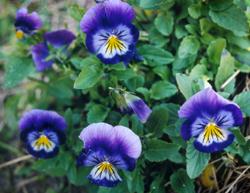


Morphology and biology
Violets are usually small, herbaceous plants with simple, often heart-shaped leaves and a characteristic five-petalled, zygomorphic flower. One lower petal commonly forms a nectar-bearing spur. The genus comprises several hundred species (commonly cited as around five hundred), which range from annuals to perennials and, rarely, small shrub-like forms. Many species spread vegetatively via stolons or rhizomes and some produce both open, nectar-producing flowers and closed, self-fertilising (cleistogamous) blooms.
Taxonomy and horticultural naming
Violets belong to the family Violaceae. In horticulture the terms "viola" and "pansy" are used with particular meanings: growers commonly reserve "pansy" for the larger, often multi-coloured bedding cultivars (for example hybrids derived from Viola × wittrockiana), while "viola" tends to refer to small-flowered garden types and wild species. Naming conventions and cultivar groups are discussed in horticultural and nomenclatural resources (nomenclature notes).
Distribution, ecology and conservation
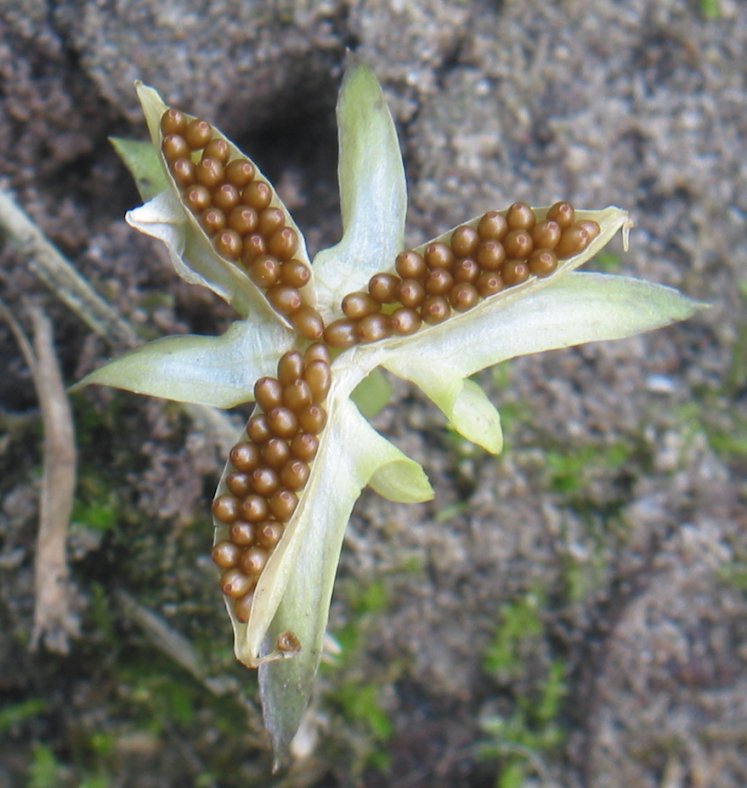
Wild violets inhabit woodlands, meadows, grasslands and rocky alpine sites. They are important early-season nectar sources for bees and other pollinators; their seeds are often dispersed with the help of ants in a process called myrmecochory. Some species are locally abundant, while others face threats from habitat loss, invasive plants and land-use change. Conservation assessments and regional checklists can indicate which species are rare or protected in particular areas.
Uses: ornamental, culinary and cultural
Many species and cultivated varieties are prized in gardens for spring and cool-season color: rock gardens, borders, containers and underplanting benefit from their low habit and varied palette. Violets have culinary uses in confectionery and beverages — candied violets, violet syrups and flavoured liqueurs are traditional preparations — and some species have been used historically in folk remedies and perfumery. For safe edible or medicinal use, refer to authoritative guides and local regulations (culinary and herbal notes).
Cultivation and practical care
- Light: many woodland violets prefer partial shade; cultivated pansies and violas tolerate more sun if temperatures remain cool.
- Soil: fertile, well-drained soils with consistent moisture suit most species; some alpine types prefer lean, rapidly draining mixes.
- Propagation: by seed for many wild types; garden cultivars may be propagated by division, cuttings or purchased as plants.
- Pests and diseases: common problems include slugs, aphids and fungal leaf diseases; local extension services offer integrated management strategies.
Gardeners seeking specific cultivar recommendations, planting dates and regional advice should consult horticultural guides and local resources (growing advice, regional resources).
Notable species and groups
Well-known taxa include the common blue violet (V. sororia), the wild pansy or heartsease (V. tricolor), and the large-faced garden pansies (V. × wittrockiana). Beyond the genus, some unrelated plants carry the common name "violet" (for example the African violet, historically placed in Saintpaulia), so scientific names are useful for clear identification.
Symbolism and cultural references
Violets have long been associated with modesty, innocence, love and remembrance in Western cultural traditions. They appear frequently in poetry, heraldry and decorative arts and continue to be used as motifs in literature and ceremonies.
Further reading
Readers seeking more detail on identification, cultivar selection and regional species lists should follow botanical floras, trusted horticultural manuals and local extension publications linked above.
Related articles
Author
AlegsaOnline.com Violet (Viola): genus of flowering plants, uses and cultivation Leandro Alegsa
URL: https://en.alegsaonline.com/art/105470