
Malvales (order of flowering plants)
Malvales is an order of eudicot flowering plants that includes the mallows, dipterocarps and several related families. It contains roughly 6,000 species with notable economic and ecological roles.
Malvales is an order of flowering plants within the eudicot clade, commonly placed among the eurosids II (malvids). Modern circumscriptions recognize multiple families and roughly 6,000 species, ranging from small herbs to giant rainforest trees. Members are distributed worldwide but are especially important in tropical and subtropical regions.
Image gallery
3 Images

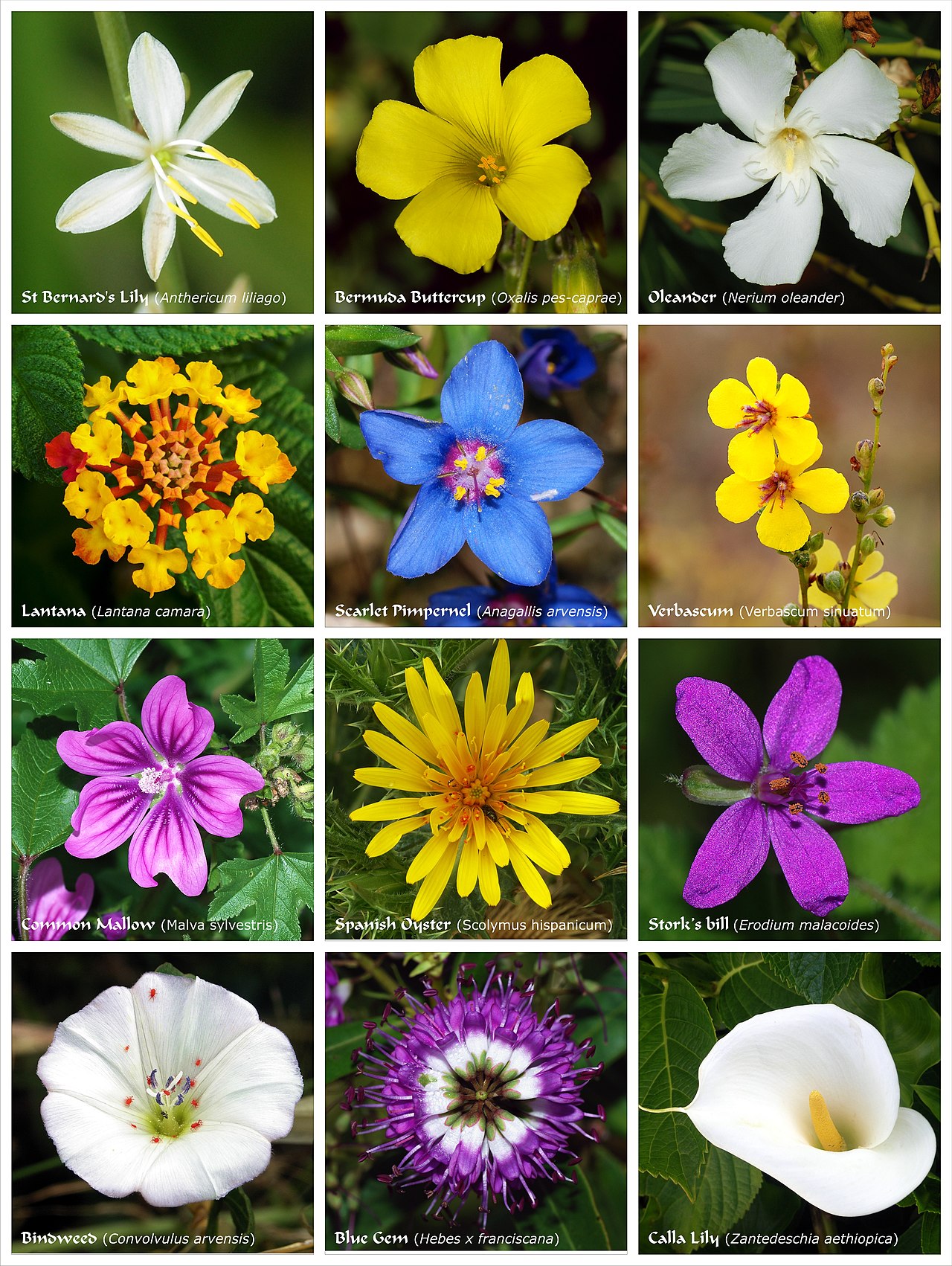
Characteristics
Plants in Malvales typically share a mix of morphological traits rather than a single defining feature. Many have alternate leaves and often possess mucilaginous tissues or stellate (star-shaped) hairs. Flowers are frequently showy with five petals and numerous stamens; in several families the stamens are fused into a column around the pistil. Fruit types vary widely across the order, including capsules, samaras (winged seeds), and fleshy fruits.
Taxonomy and history
Classification of Malvales has changed considerably with molecular studies. Systems such as APG II reorganized traditional families, merging several formerly separate groups (for example Bombacaceae, Sterculiaceae and Tiliaceae) into an expanded Malvaceae in many modern treatments. The order now comprises a set of related families that reflect genetic relationships rather than only classical morphological groupings.
Economic and ecological importance
Malvales contains many species of economic value and ecological influence. Important human uses include textiles, food and timber. Notable examples include:
- Cotton (Gossypium) — a major source of natural fiber for textiles.
- Cacao (Theobroma) — the source of cocoa and chocolate products.
- Hibiscus and related ornamentals — widely cultivated for garden flowers.
- Dipterocarps — dominant timber trees in parts of Southeast Asian rainforests, key to forest structure and industry.
- Bixa (annatto) and other species used for dyes, food and traditional medicine.
Ecologically, members occupy diverse habitats from dry savannas to humid lowland forests. Some genera are keystone trees in tropical ecosystems and support rich biodiversity.
Notable facts and distinctions
Although influenced by classic morphological characters, the modern delimitation of Malvales relies on DNA evidence and has reunited several economically familiar plants under a broader Malvaceae sensu lato. The order illustrates how molecular phylogenetics reshapes plant classification and highlights groups with disproportionate cultural and ecological significance.
For further overviews and systematic details see general resources on flowering plant orders and recent treatments of Malvales in botanical literature.
Related articles
Author
AlegsaOnline.com Malvales (order of flowering plants) Leandro Alegsa
URL: https://en.alegsaonline.com/art/61099