
Mandarin orange (Citrus reticulata)
Small citrus tree and its fruit, valued for thin, easy-to-peel skins and sweet segments; includes tangerines, clementines and satsumas. Cultivation, uses, storage, nutrition and cultural roles.
Overview
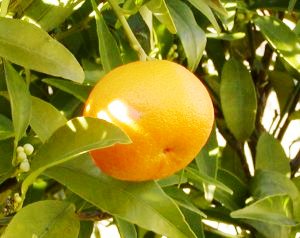
The mandarin orange, commonly shortened to mandarin, is the fruit of Citrus reticulata, a small citrus tree native to parts of East and Southeast Asia. Mandarins are typically smaller than the common sweet orange, with a relatively thin, loose rind that often peels easily by hand. The fruit is prized for its sweet, aromatic flesh and the convenience of separating into clean segments. For general botanical context see botanical classification.
Image gallery
10 Images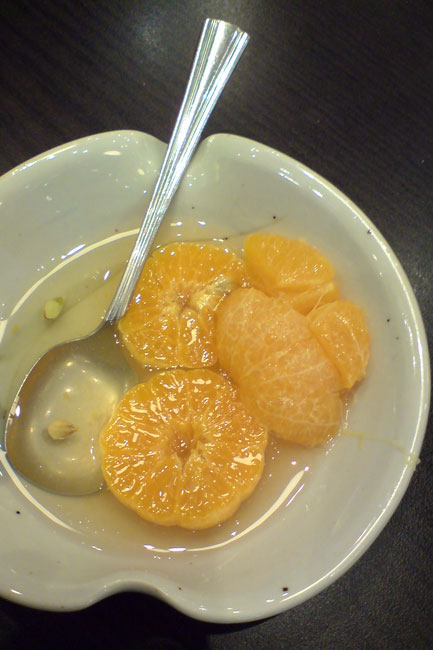


Characteristics
Mandarins vary in size, color and taste across cultivars but share some common traits: a tender tree that prefers warm, frost-free climates; a fruit with a loose, easy-to-peel skin; and internal segments that separate cleanly. The peel ranges from bright orange to deeper reddish-orange hues, and aromatic oils in the rind contribute to the fruit's scent. Some types are nearly seedless, while others contain a variable number of seeds.
Taxonomy and common groupings
The name "mandarin" covers a number of cultivars and closely related types rather than a single, uniform variety. Commercial and regional names overlap: for example, tangerines are often marketed alongside mandarins, while clementines and satsumas are widely recognized subgroups. Mandarins also form the genetic basis of many hybrid citrus fruits; crosses with pomelo or sweet orange have produced other common citrus types.
Major varieties
- Clementines — usually small, sweet and often marketed as seedless; popular as a snack fruit.
- Satsumas — valued for very loose skin and relative cold tolerance among mandarins.
- Tangerines — a commercial grouping that overlaps with some mandarin cultivars; the term varies by region.
Cultivation and harvesting
Mandarins are grown in subtropical and warm temperate regions worldwide. Trees prefer well-drained soils and a climate without severe freezes; they are considered more frost-sensitive than some other citrus species. Commercial growers manage irrigation, pruning and pest control to maintain fruit quality. Harvesting is typically by hand to avoid skin damage, and fruit maturity is judged by color, sugar content and acidity rather than a fixed calendar date.
Propagation and breeding
Mandarins are propagated from grafting, budwood or, in some cases, from seed for rootstock development. Because many desirable forms are cultivated clones, grafting onto hardy rootstocks improves disease resistance and adapts trees to local soils. Breeding programs and natural hybridization have produced varieties with improved flavor, cold tolerance or reduced seed content.
Culinary uses
Mandarins are commonly eaten fresh, peeled and sectioned. Their segments are also used in fruit salads and desserts, and canned segments are a widespread convenience food. Juice, zest and segments appear in sauces, baked goods and beverages. The peel yields aromatic oils used in confections, candied peel and citrus flavorings.
Storage and nutrition
Like other citrus, mandarins are a source of vitamin C and dietary fiber and contain various flavonoids and micronutrients typical of citrus fruits. Fresh mandarins keep best when refrigerated and handled gently to avoid skin damage and moisture loss. At room temperature they can dehydrate or spoil faster; refrigeration in a breathable container prolongs shelf life without affecting flavor significantly.
Pests, diseases and postharvest handling
Mandarins are susceptible to common citrus pests and diseases such as scale insects, aphids and fungal rots; commercial orchards use integrated pest management to reduce losses. Postharvest practices include careful handling, appropriate storage temperatures and humidity control to limit decay and preserve quality.
Cultural significance
Mandarins hold cultural importance in several regions. In Chinese custom they are traditional symbols of good fortune and prosperity and are widely displayed and exchanged during the Lunar New Year; for more on these observances see Chinese New Year traditions. In many countries the fruit is associated with winter holidays and seasonal markets.
Further reading and related topics
The term "mandarin" is used in both botanical and market contexts, so definitions and groupings may vary by region. For general comparisons with other citrus fruits see related citrus information. Commercial and culinary discussions also appear under specific cultivar names and under broader citrus breeding and cultivation resources.
Mandarins remain popular worldwide for their convenience, pleasant flavor and cultural associations, and they continue to be important both as fresh fruit and as a base for hybrid citrus varieties.
Questions and answers
Q: What is a mandarin orange?
A: A mandarin orange is a small citrus tree with fruit that looks like other oranges. It is also known as the mandarin or mandarine.
Q: How are mandarin oranges usually eaten?
A: Mandarin oranges are usually eaten plain or in fruit salads.
Q: In what areas can mandarin oranges be grown?
A: Mandarin oranges can be grown in tropical and subtropical areas.
Q: Is the mandarin orange easily damaged by cold?
A: Yes, the mandarin orange is tender and easily damaged by cold.
Q: How can the mandarin be easily peeled?
A: The mandarin can be easily peeled with the fingers.
Q: Can mandarin segments be sold in cans?
A: Yes, mandarin segments are also sold in cans.
Q: During which celebration are mandarin oranges considered traditional symbols of good fortune?
A: Mandarin oranges and tangerines are considered traditional symbols of good fortune during Chinese New Year.
Related articles
Author
AlegsaOnline.com Mandarin orange (Citrus reticulata) Leandro Alegsa
URL: https://en.alegsaonline.com/art/61232