
Macroeconomics: scope, measures, policy tools, and practical issues
Survey of macroeconomics: aggregates (GDP, inflation, unemployment), major models, policy instruments (fiscal, monetary, exchange rates), measurement challenges and international links.
Overview
Macroeconomics is the branch of economics that examines the behaviour of economies as a whole rather than individual markets. It focuses on broad aggregates—national output, overall price levels, unemployment, public finance and the balance of payments—and on how these aggregates change over time. For a concise introduction to the subject see general overview material on macroeconomics. A commonly used summary measure of a country's total economic activity is gross domestic product, often cited when discussing the performance of a national economy.
Image gallery
3 Images
Core concepts and indicators
Key macroeconomic indicators guide policy and analysis:
- GDP and national income: GDP measures the value of final goods and services produced; related concepts such as gross national income and per‑capita output help compare living standards and growth.
- Inflation and price dynamics: inflation is the sustained rise in general price levels; persistent inflation or deflation affects purchasing power, contracts and interest rates (inflation).
- Unemployment: the share of the labour force without work; different measures capture short‑run joblessness, long‑term unemployment, and labour force participation (unemployment).
- Interest and exchange rates: nominal and real interest rates influence borrowing, saving and investment, while exchange rates affect the relative price of foreign goods and cross‑border flows (interest rates, exchange rates).
GDP components and growth
Aggregate demand is often broken down into consumption, investment, government spending and net exports. These components respond differently to policy and shocks: consumption tends to be smoother, investment more volatile, and net exports sensitive to exchange rates and foreign demand. Long‑run economic growth depends on factors such as productivity improvements, capital accumulation, demographics and institutional quality. Demographic trends and workforce composition also shape potential output and public finances.
Inflation, wages and unemployment interactions
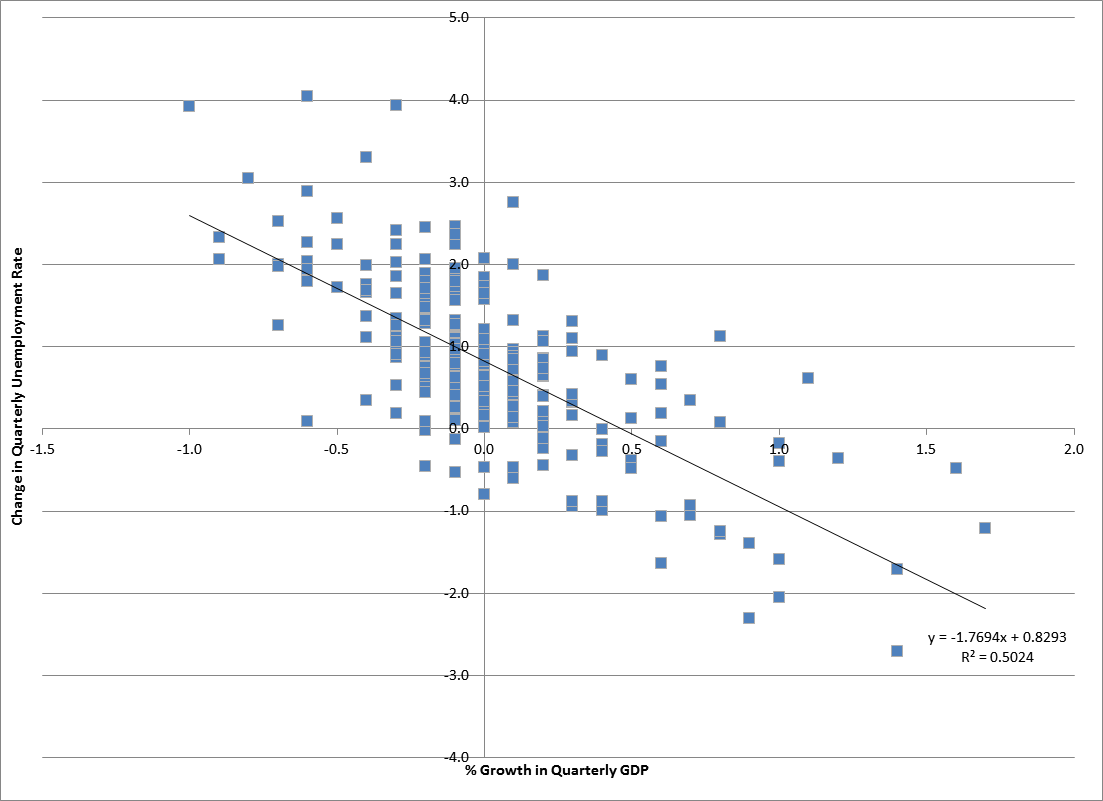
Analysts distinguish between demand‑driven inflation and cost‑push inflation (for example from wages or commodity prices). Short‑run trade‑offs between inflation and unemployment have been a focus of policy debate; expectations about future inflation influence wage bargaining and price setting. Central banks monitor inflation indicators and often have explicit targets to stabilise price expectations.
Policy instruments: fiscal, monetary and exchange‑rate measures
Governments and central banks use several instruments to pursue macroeconomic objectives. Fiscal policy—taxation and public spending—affects aggregate demand, redistribution and the composition of output; decisions about taxes are a central political choice (tax policy). Monetary policy typically operates by setting interest rates and managing liquidity to influence credit conditions and inflation. Exchange‑rate policies and trade measures influence competitiveness and external balances, and are part of the toolkit in open economies (imports, exports, currency).
Models and transmission mechanisms
Macroeconomists use simplified models to structure thinking about cause and effect. Common frameworks include aggregate demand and supply, IS‑LM/AD‑AS in textbook treatments, dynamic stochastic general equilibrium models used in research, and models that emphasise financial frictions or expectations. These models clarify transmission channels: for example, a rate cut can lower borrowing costs, raise asset prices and stimulate spending, while fiscal expansion raises demand directly through public purchases or indirectly through tax changes.
Policy trade‑offs and institutional context
Policy choices involve trade‑offs—between stabilising inflation and supporting employment, between short‑term stimulus and long‑term debt sustainability, or between exchange‑rate stability and monetary independence. Institutional features, such as central bank independence, fiscal rules, and legal frameworks, shape how policies are designed and how credible they are. Political debate frequently surrounds public spending and redistribution decisions, which reflect normative choices as well as technical trade‑offs (political controversy).
International macroeconomics
Open economies face additional considerations: capital flows, exchange‑rate volatility, and cross‑border transmission of shocks. Exchange rates influence trade balances and domestic inflation through import prices. International cooperation can matter for financial stability and coordinated responses to global downturns, and policymakers monitor external indicators when setting domestic policy (exchange rates, policy levers).
Measurement, data and practical challenges
Macroeconomic measurement involves statistical agencies that compile national accounts, price indices and labour statistics. Measurement choices—such as how to price services, account for the informal sector, or adjust for quality changes—affect reported aggregates. Timeliness and revisions mean early estimates can change; analyses therefore combine official data with high‑frequency indicators and careful interpretation. For accessible background on data sources see primers on national accounts and economic indicators (national accounts, overview).
History and schools of thought
Modern macroeconomics developed through debate about business cycles, unemployment and growth. Classical and Keynesian perspectives offered different views on the need for policy intervention. Later developments incorporated expectations, rational behaviour and microfoundations. Recent work places more emphasis on financial markets, heterogeneous agents and the role of institutions in shaping outcomes.
Further reading and resources
This article is a concise introduction and points to many useful directions for further study: technical models, historical case studies, and country‑level policy analyses. For topical materials on central banking, exchange‑rate policy and fiscal frameworks see summaries aimed at non‑specialist readers (interest rate policy, currency topics). For discussions of how trade and capital flows link economies see introductory treatments of international macroeconomics and trade policy (imports, exports). For general policy context and debates consult overview pieces and public resources that explain the choices open to policymakers (tax, policy levers, political controversy).
Related articles
Author
AlegsaOnline.com Macroeconomics: scope, measures, policy tools, and practical issues Leandro Alegsa
URL: https://en.alegsaonline.com/art/60390