
Unemployment: causes, types, consequences and policy responses
Unemployment (joblessness) is the condition of people of working age without paid work. This article explains measurement, common types, causes, social effects, and public policies used to reduce unemployment.
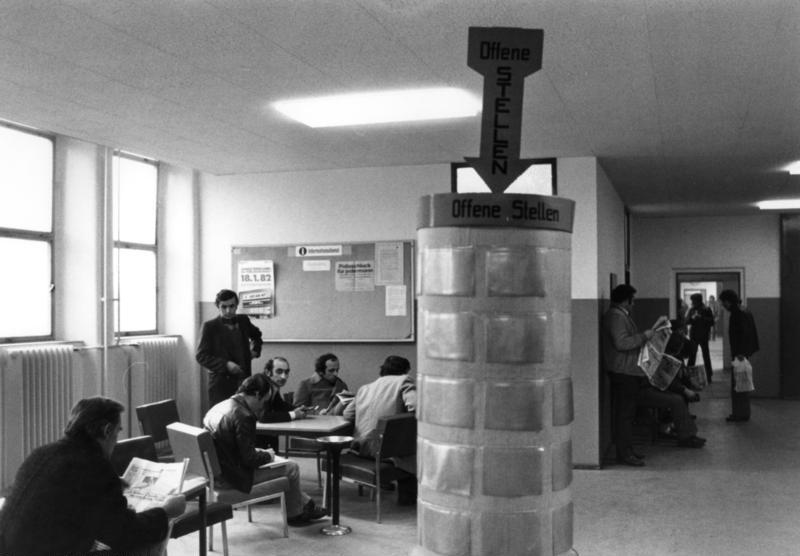
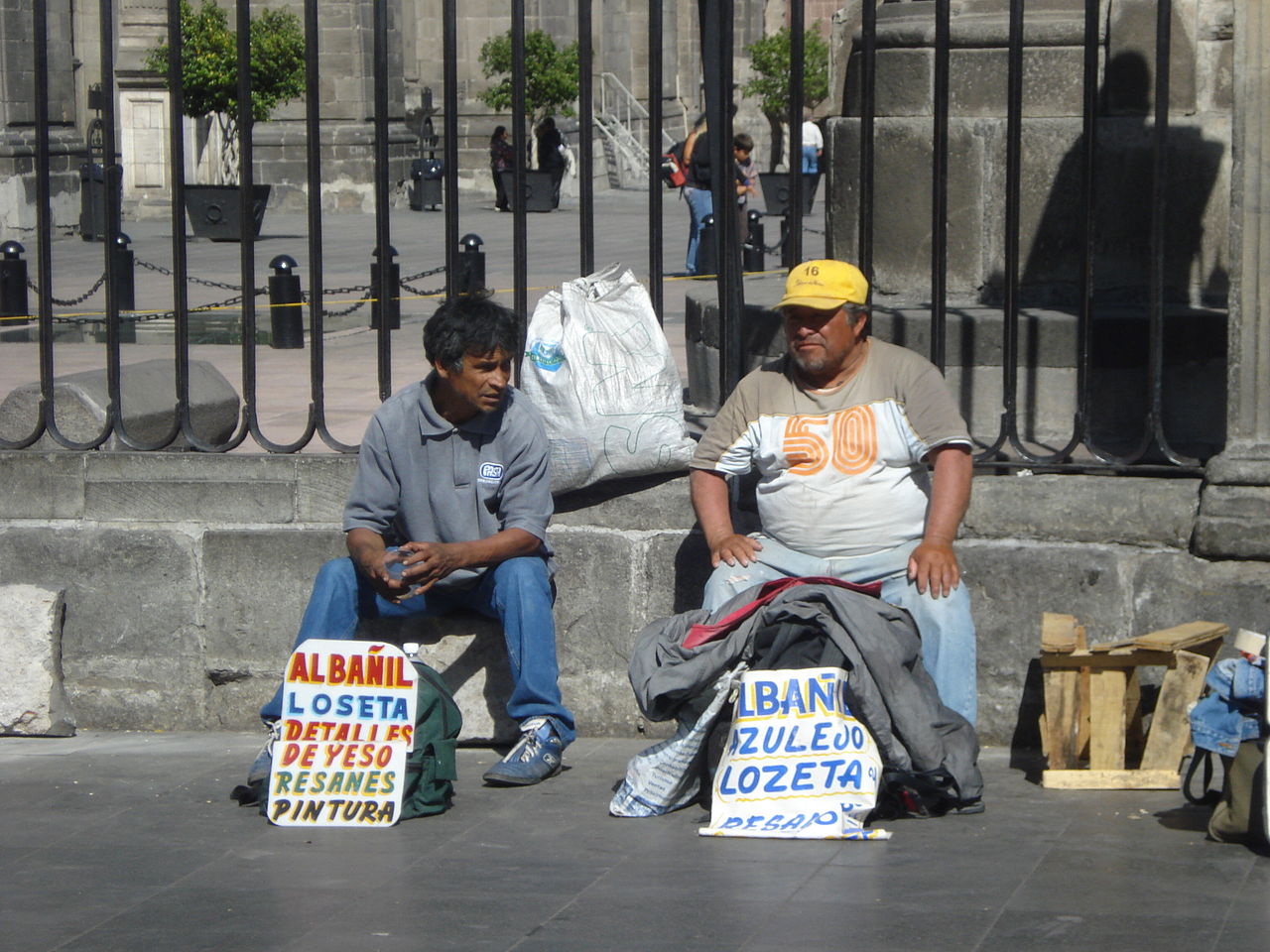
Unemployment or joblessness refers to people of typical working age who do not have paid employment. Definitions vary by country and statistical agency; some refer specifically to people actively seeking work within an age range such as young adults to retirement age. Others focus on the distinction between having a paid job and not working for a salary or wages (remuneration).
Image gallery
10 Images


How it is measured
Official unemployment rates are usually produced by labour force surveys and express the share of the labour force without work but available and looking for it. Measurement choices — who counts as unemployed, how long they must be searching, whether part-time workers are considered employed — affect reported levels. Some analysts also track underemployment, discouraged workers, and long-term unemployment to capture labor market slack.
Common types and causes
- Frictional unemployment: short-term unemployment as people change jobs or enter the labour market.
- Structural unemployment: mismatches between workers' skills or locations and available jobs, often due to technological change.
- Cyclical unemployment: driven by economic downturns and reduced demand for goods and services.
- Seasonal unemployment: predictable changes in demand across the year in industries like agriculture and tourism.
Effects and significance
High or persistent unemployment has economic and social consequences: loss of income, reduced consumption and economic output, increased public spending on benefits, and negative impacts on health and social cohesion. Analysts often describe unemployment as both a macroeconomic indicator and a social issue that policymakers monitor closely.
Responses combine short-term stabilization and longer-term structural policies: fiscal and monetary measures to support demand; active labour market policies such as job training, placement services, and apprenticeships; education and mobility programs; and incentives that encourage hiring. Different regions and communities, including various parts of the world, use diverse mixes of support and rely on public institutions, informal family networks and, in some places, community social networks to assist those without work.
Notable distinctions
It is important to distinguish unemployment from temporary non-employment (students, retirees, caregivers) and from hidden unemployment where people have stopped actively searching. Policy goals vary: reducing short-term joblessness, improving job quality, and addressing structural mismatches each require different tools.
Related articles
Author
AlegsaOnline.com Unemployment: causes, types, consequences and policy responses Leandro Alegsa
URL: https://en.alegsaonline.com/art/102828
Sources
- bbc.co.uk : bbc.co.uk/news/magazine-15276765