
Lever (simple machine): principles, types, uses, and history
A lever is a rigid bar that pivots on a fulcrum to move or measure loads. This article explains parts, classes (first, second, third), mechanical advantage, historical context, and common examples.
Overview
A lever is one of the classical simple machines: a rigid bar that rotates around a fixed point called a fulcrum. By applying force to one point on the bar, a lever can move a load at another point. Levers change the magnitude and direction of forces and convert small inputs into larger outputs, or vice versa, depending on their configuration. They are fundamental to tools and mechanisms used in daily life and engineering.
Image gallery
6 Images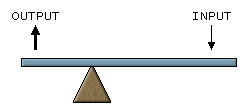


Parts and mechanical principle
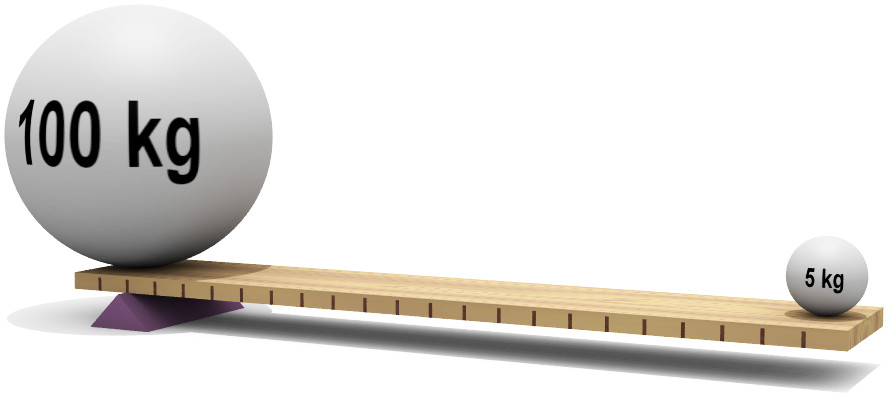
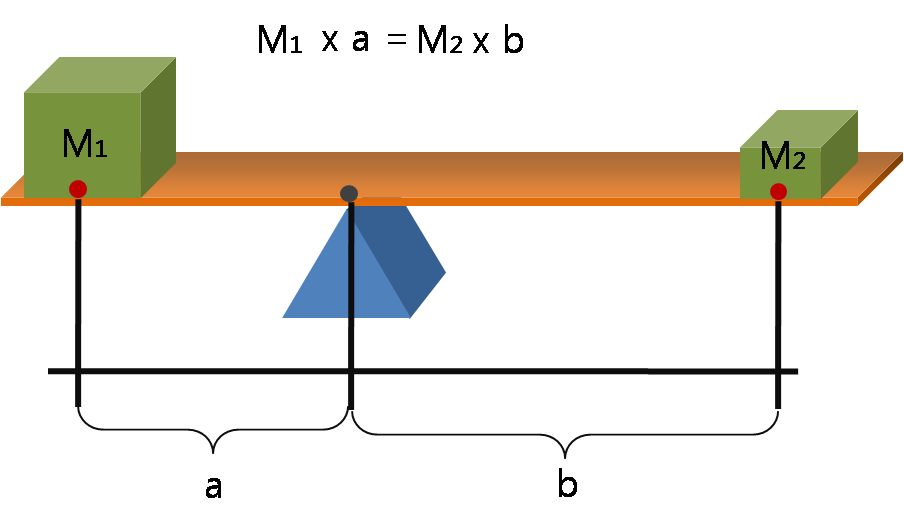
The essential elements of a lever are the bar (or arm), the fulcrum (pivot), the effort (force applied), and the load (resisted force). The lever’s behavior is explained by moments (torques): the product of force and its perpendicular distance from the fulcrum. When torque from the applied effort balances the torque from the load, the lever is in equilibrium. A simple formula expresses mechanical advantage (MA): MA = distance from effort to fulcrum ÷ distance from load to fulcrum. If MA is greater than one, the lever amplifies force; if less than one, it amplifies movement instead.
Classes of levers
Levers are commonly grouped into three classes according to the relative order of fulcrum, effort, and load:
- First-class lever: Fulcrum between effort and load (e.g., seesaw, crowbar). Mechanical advantage can be greater, less, or equal to one depending on arm lengths.
- Second-class lever: Load between fulcrum and effort (e.g., wheelbarrow, nutcracker). These levers always have a mechanical advantage greater than one, trading distance for force.
- Third-class lever: Effort between fulcrum and load (e.g., tweezers, fishing rod, human forearm). These favor speed and range of motion, with mechanical advantage typically less than one.
History and development
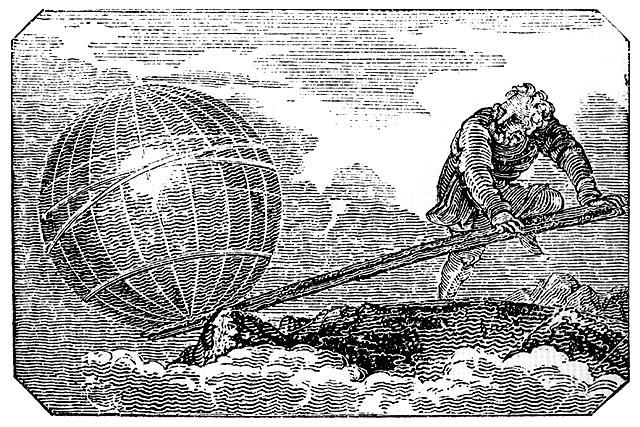
The lever has been understood since antiquity as a basic tool. Ancient engineers and philosophers studied its behavior; classical writers attribute clear analysis of lever mechanics to thinkers such as Archimedes, who explored principles of equilibrium and is often linked with the observation that a small force applied at a sufficient distance can move a large weight. Over centuries the lever’s principles informed the design of tools, machines, and measuring devices.
Uses and examples
Levers appear in countless devices: simple balance scales and seesaws, crowbars and pry bars, wheelbarrows, scissors (compound levers), pliers, and many human body parts acting as levers (bones and joints). Engineers also use lever concepts in linkage mechanisms and control systems. In measurement, a beam balance compares masses by balancing torques rather than measuring weight directly.
Notable distinctions and practical notes
Understanding a lever requires attention to geometry and direction of forces: small changes in arm lengths dramatically affect mechanical advantage. Levers are one of six classical simple machines, alongside the wheel and axle, pulley, inclined plane, wedge, and screw. For further introductory material and demonstrations of lever principles, see additional resources on simple machines.
Related articles
Author
AlegsaOnline.com Lever (simple machine): principles, types, uses, and history Leandro Alegsa
URL: https://en.alegsaonline.com/art/57565