
Export (International Trade of Goods)
An export is a good sent from one country to be sold or used in another. This article explains what exports are, their types, historical development, examples, and why they matter to economies.
Overview
An export is a tangible product that is produced in one country and shipped to be sold or used in another. Exports can be raw materials, manufactured goods, agricultural produce or energy resources. In general usage, an export is any item sold abroad or shipped beyond the national borders of its origin, i.e., outside the country where it was made.
Image gallery
2 Images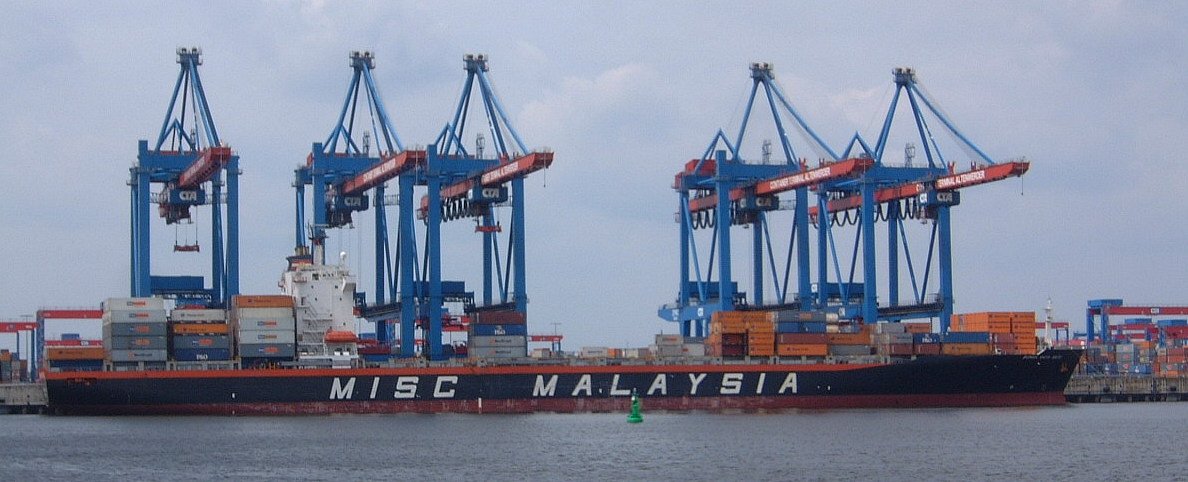

Characteristics and categories
Exports are often classified by their stage of processing and value added. Categories include primary commodities, intermediate goods, and finished manufactured products. They may be transported by sea, air, rail or road and typically cross customs controls where they are documented and inspected.
- Primary exports: agricultural crops, minerals, timber.
- Manufactured exports: vehicles, electronics, clothing.
- Processed food and beverage exports: items such as maple syrup and preserved foods.
History and development
Long before modern borders and international trade law, communities exchanged surplus goods with neighbors. Over centuries, improvements in transport, the rise of ports, and later steamships and railways expanded the volume and distance of exports. Industrialization changed the mix of exported goods, shifting many economies from raw-material exporters to producers of manufactured items.
Uses, examples and importance
Exports generate foreign exchange earnings, support jobs, and integrate domestic producers into international supply chains. For example, Canada exports maple syrup to markets including the United States and many other nations; tropical island economies commonly ship sugar cane and related products abroad, as seen in parts of the Caribbean. Such exports can be small-scale artisanal goods or large-volume commodity shipments.
Factors, distinctions and notable facts
Export success depends on comparative advantage, trade policy, production capacity, quality standards and logistics. Trade barriers, tariffs, quotas and sanitary rules affect what can be sold across borders. Governments and businesses often pursue export promotion through trade agreements, subsidies, quality certification and marketing to enter new markets.
Practical considerations
- Understand documentation and customs requirements before shipping goods.
- Ensure compliance with destination country standards and labeling rules.
- Assess transport costs and insurance to price exports competitively.
For more general background and guidance on export procedures and markets, readers can consult trade resources and government export promotion agencies for practical support and current rules.
Further reading and related topics include import-export balance, trade policy, and supply chain logistics; authoritative sources and trade organizations offer country-specific data and assistance.
Examples cited above reference common export flows such as maple products from Canada (maple syrup exports) and agricultural exports from tropical regions; these illustrate how commodities and specialty goods move between markets.
Related articles
Author
AlegsaOnline.com Export (International Trade of Goods) Leandro Alegsa
URL: https://en.alegsaonline.com/art/32997