
Exchange rate (foreign exchange rate)
The exchange rate is the price of one currency in terms of another. This article explains how rates are determined, historical regimes, main types, and why they matter for trade, inflation and policy.
An exchange rate expresses how much of one nation's money is required to buy a unit of another nation's money. It is the market price for converting one currency into another and plays a central role in international trade, travel, investment and monetary policy. Everyday examples include quoting how many euros equal one US dollar or how many Japanese yen equal one euro.
Image gallery
3 Images

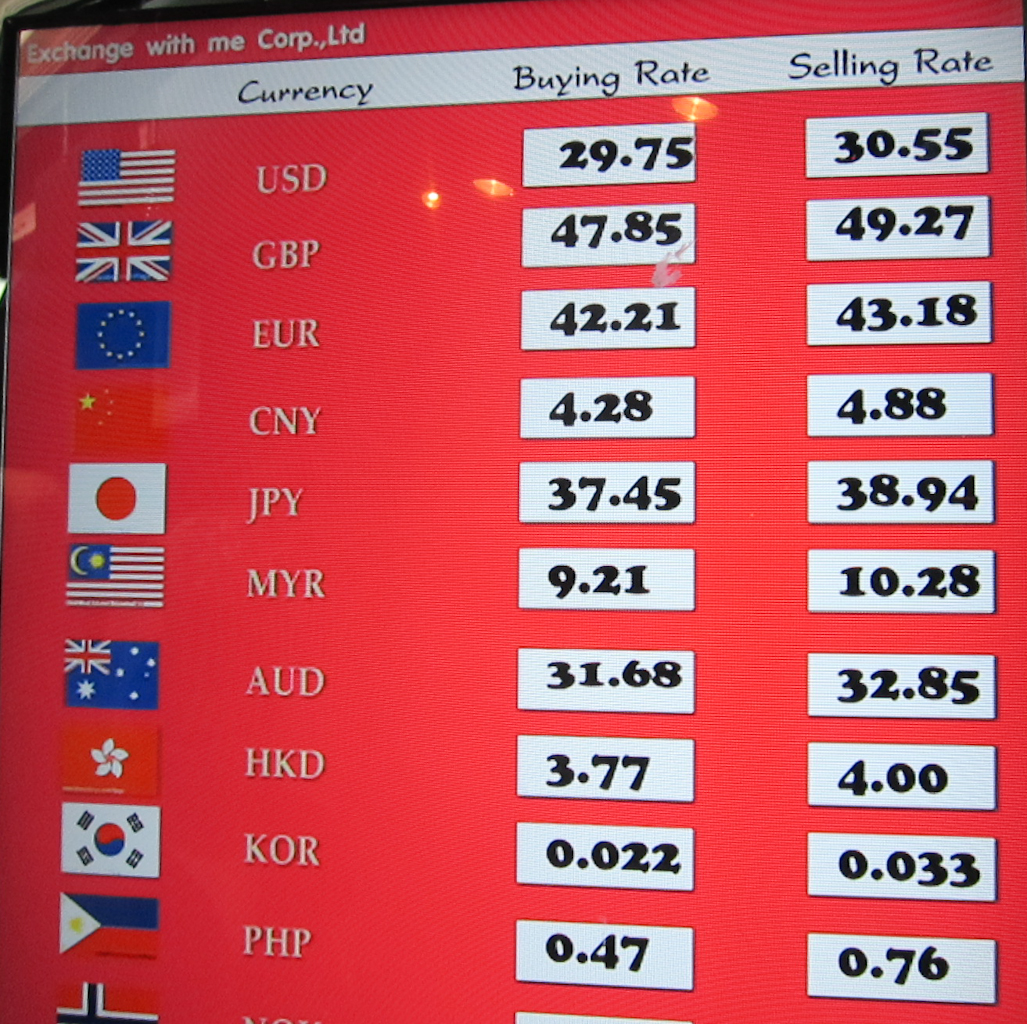
How exchange rates are determined
Most exchange rates are set in foreign exchange markets where banks, companies, investors and central banks buy and sell currencies. Rates move as supply and demand change. Important influences include inflation differentials, differences in interest rates, economic growth, trade balances, political stability and market sentiment. Central banks may intervene to smooth excessive moves or to maintain a target level.
Key types and technical distinctions
- Spot rate: the price for immediate exchange.
- Forward rate: the agreed price today for exchange at a future date.
- Nominal vs real: nominal rates are market quotes; real rates adjust for relative price changes (inflation).
- Exchange rate regimes: fixed/pegged, floating, managed float, crawling peg and currency unions.
- Quotation conventions: pairs such as USD/JPY show how many units of the counter currency are needed to buy one unit of the base currency.
Historical background
Historically, currencies were linked to commodities such as gold under the gold standard. In the mid-20th century an arrangement called the Bretton Woods system fixed many major currencies to the US dollar, which itself was convertible into gold. After the early 1970s most major economies moved to floating rates, allowing market forces a larger role in determining values.
Uses and economic importance
Exchange rates affect exporters and importers, influence inflation by changing the domestic price of foreign goods, and alter the returns on foreign investments. Governments and central banks monitor exchange movements when setting interest rates or trade policy. For individuals, exchange rates determine the cost of travel and remittances; for firms they shift competitiveness and profits.
Practical notes and examples
When comparing currencies, it is common to follow market quotations or use effective exchange rates that aggregate movements against a basket of trading partners. Traders and businesses hedge exposure with forwards or options to manage risks. For a simple concept of value between monies see currency exchange explanations used in banking and travel contexts.
Related articles
Author
AlegsaOnline.com Exchange rate (foreign exchange rate) Leandro Alegsa
URL: https://en.alegsaonline.com/art/32886