
Mamluk (Slave) dynasty of Delhi (1206–1290)
First ruling house of the Delhi Sultanate, founded by Qutb al-Din Aibak. A dynasty of former slave-soldiers that established Muslim rule and administrative patterns in northern India.
Overview
The Mamluk dynasty, often called the Slave dynasty or Gulham dynasty and sometimes referred to as the Yamini dynasty, was the first ruling house of the Delhi Sultanate. It was founded after the death of the Central Asian ruler Muhammad of Ghor by his former lieutenant Qutb al-Din Aibak, a Turkic mamluk (slave-soldier). The dynasty presided over a crucial formative period in northern India between c. 1206 and 1290, laying political, military and institutional foundations followed by subsequent sultanates. For the antecedent military campaigns that brought the region under Ghurid influence, see Muhammad of Ghor.
Image gallery
10 Images


Characteristics and governance
Mamluks were originally slave-soldiers trained for military and administrative service; several rose to power by merit and factional support. Under the Mamluks the sultanate began adapting Persian court culture, administrative practices such as land assignments to military officers (the iqta system), and the use of chancery Persian for official affairs. Delhi emerged as the central seat of power, and rulers forged coalitions of Turkic, Afghan and local elites to command armies and collect revenue.
Key rulers and events
- Qutb al-Din Aibak – founder who consolidated Ghurid gains in northern India and initiated ambitious building projects.
- Shams-ud-din Iltutmish – established stronger central authority, stabilized succession and secured recognition of sovereignty from the Abbasid caliphate.
- Razia Sultan – Iltutmish's daughter, notable as one of the rare female Muslim rulers in South Asian history, whose reign revealed tensions between royal power and nobility.
- Ghiyas ud-din Balban – reinforced royal prerogative and court discipline before the dynasty's decline in the late 13th century.
Architecture, culture and legacy
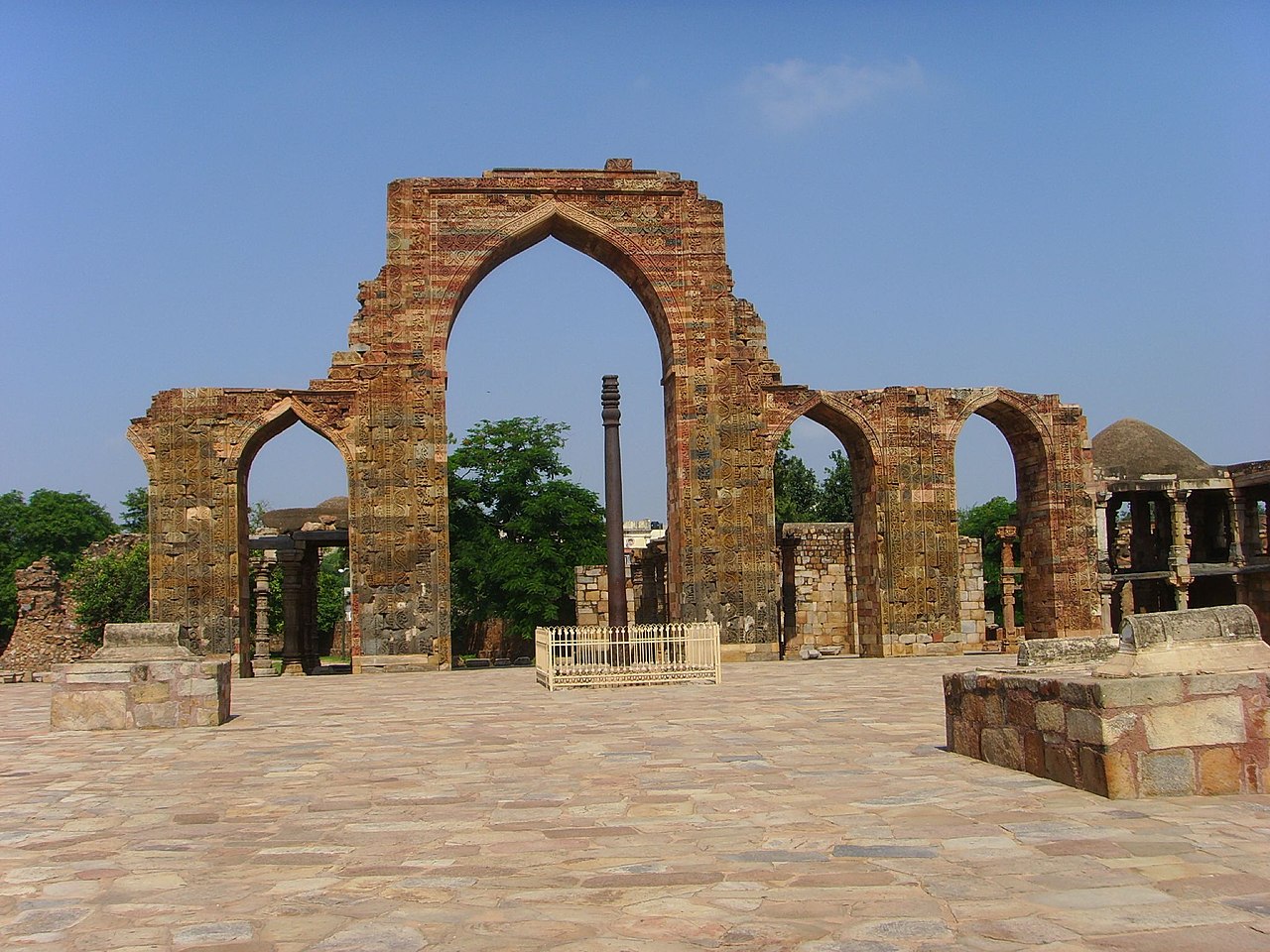
The Mamluk period left architectural and cultural marks. Qutb al-Din Aibak began work on the Qutb Minar complex and the early mosque at the site of the Quwwat-ul-Islam; later rulers continued patronage of buildings that blended local craftsmanship with Islamic forms. The dynasty established administrative routines and military structures that were inherited and adapted by the later dynasties of the Delhi Sultanate. Its success also showed how military slaves could become independent rulers, a pattern paralleled elsewhere in the medieval Islamic world.
Decline and distinctions
By the end of the 13th century internal factionalism, succession struggles and the rise of new military leaders led to the Mamluk dynasty's replacement by the Khalji dynasty in 1290. The term "Mamluk" here refers to the social-military origin of the ruling elite and should not be confused with the later Mamluk Sultanate of Egypt, which was a distinct polity sharing only the broad institution of mamluk military slavery.
Questions and answers
Q: Who established the Mamluk dynasty in Northern India?
A: Qutb ud-Din Aibak established the Mamluk dynasty in Northern India.
Q: What was the Mamluk dynasty also known as?
A: The Mamluk dynasty was also known as the Slave dynasty or Gulham dynasty.
Q: How long did the Mamluk dynasty rule North India?
A: The Mamluk dynasty ruled North India for 84 years, from 1206 to 1290.
Q: What was the position of Qutb ud-Din Aibak before he established the Mamluk dynasty?
A: Qutb ud-Din Aibak was a turkic slave of Muhammad of Ghor before he established the Mamluk dynasty.
Q: How many dynasties followed the Mamluk dynasty in the Delhi Sultanate?
A: Four dynasties followed the Mamluk dynasty in the Delhi Sultanate.
Q: What was the duration of the Delhi Sultanate?
A: The Delhi Sultanate lasted from 1206 to 1526.
Q: What other name is the Mamluk dynasty known by?
A: The Mamluk dynasty is also known as the Yamini dynasty.
Related articles
Author
AlegsaOnline.com Mamluk (Slave) dynasty of Delhi (1206–1290) Leandro Alegsa
URL: https://en.alegsaonline.com/art/61124
Sources
- lccn.loc.gov : The History of India, 1000-1707 A.D.,