
Mamluk: Slave Soldiers Who Became Rulers in the Medieval Islamic World
Mamluks were slave soldiers who formed a powerful military caste and ruling elite in Egypt and other Muslim states from the medieval period until the early 19th century.
The term mamluk originally means "owned" or "slave" in Arabic, but in practice it refers to a distinctive institution: trained slave soldiers who could rise to the top of military and political hierarchies. From the 13th century onward, mamluks established themselves as a ruling military elite in Egypt and Syria and influenced other Muslim polities. Their unusual social role—slaves who became monarchs and aristocrats—makes them a notable phenomenon in medieval history.
Image gallery
10 Images


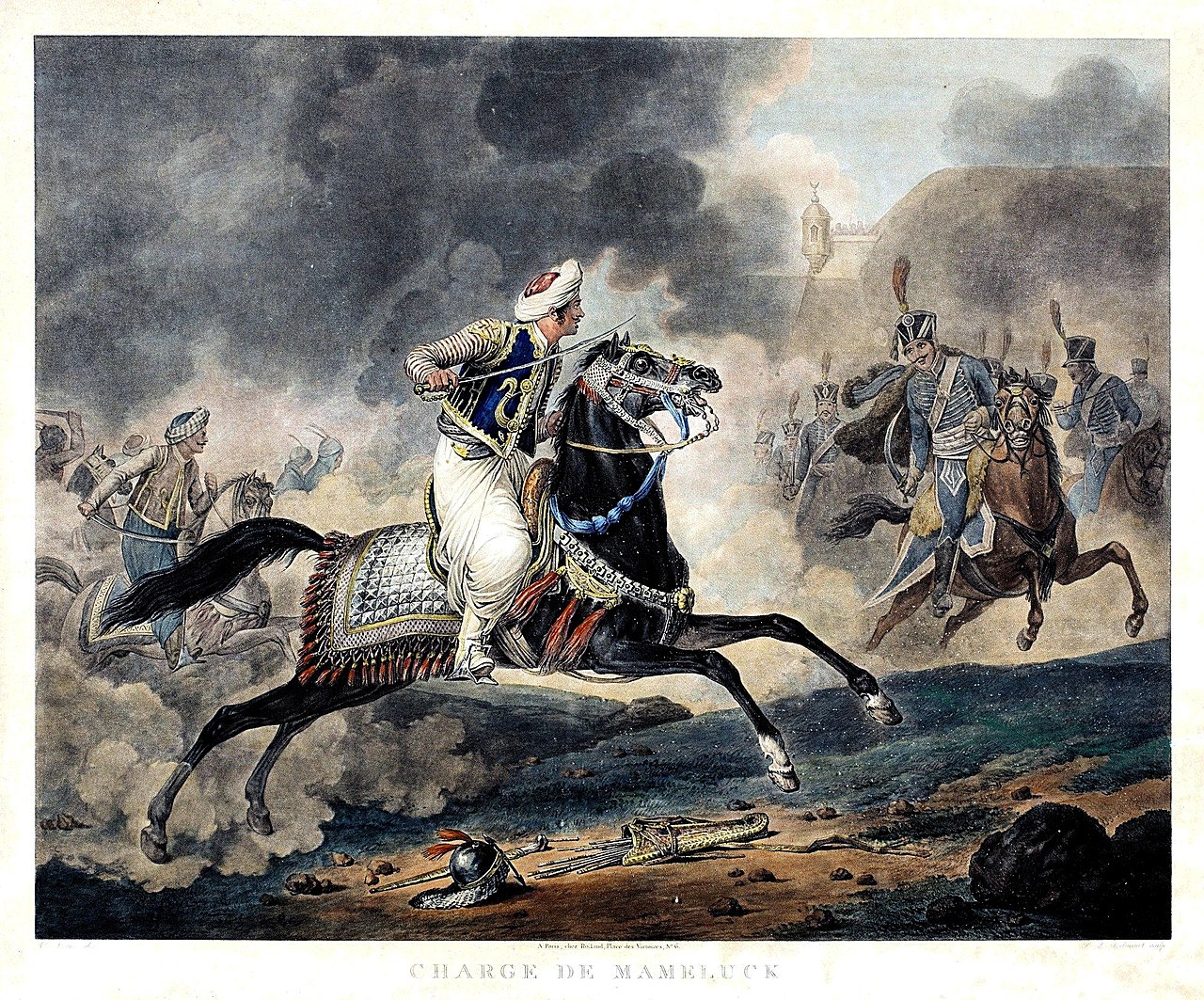


Organization and characteristics
Mamluks were recruited as young boys, usually from non-Muslim regions such as the Caucasus or the Eurasian steppe, converted to Islam, and trained for life as cavalrymen and officers. They formed a professional military class: owners invested in their training, and converted mamluks were often manumitted and could attain positions of power. Key features include:
- Military specialization: disciplined cavalry and archery units, often armed and armored to high standards.
- Caste-like social structure: loyalty was personal to patrons, but groups formed durable networks and families of influence.
- Path from servitude to rulership: many mamluks became governors, sultans or kingmakers.
Historical development
Mamluk power in Egypt became dominant in the mid-13th century when slave-soldier factions seized control around 1254. Two main dynastic phases are commonly identified: the Bahri (earlier, largely Turkic-origin) and the Burji (later, often Circassian-origin) sultanates. The Mamluk Sultanate famously halted the Mongol advance at the Battle of Ain Jalut (1260) and also expelled the Crusader states from the Levant, shaping the region's geopolitics for centuries.
In 1517 the Ottoman Empire conquered the Mamluk Sultanate but left its local structures largely intact; many mamluks continued to hold regional authority as a landed military elite under Ottoman suzerainty. Over the following centuries they remained a powerful interest in Egyptian affairs until the rise of modernizing governors.
Decline, end and legacy
By the early 19th century the Egyptian ruler Muhammad Ali Pasha moved to centralize power and break Mamluk dominance. In 1811 he effectively destroyed the old mamluk leadership, ending their era as autonomous rulers. Despite their violent fall, mamluks left lasting marks: distinctive architecture and monuments in Cairo, administrative and military precedents, and episodic dynasties elsewhere (for example, the Slave Dynasty in India). Their story illustrates how formally enslaved soldiers could become a social and political elite in pre-modern Islamic states.
Related articles
Author
AlegsaOnline.com Mamluk: Slave Soldiers Who Became Rulers in the Medieval Islamic World Leandro Alegsa
URL: https://en.alegsaonline.com/art/61125