
Mohammed Abdullah Hassan
Somali religious and political leader (1856–1920) who led the Dervish movement against colonial powers and established a short-lived anti-colonial state in the Horn of Africa.
Mohammed Abdullah Hassan (1856–1920), often called the Sayyid, was a Somali religious leader and anti-colonial figure who headed the Dervish movement in the late 19th and early 20th centuries. He combined Islamic reformist ideas with Somali clan politics to organize sustained resistance against British, Italian and Ethiopian encroachment. His career made him one of the most prominent and controversial figures in modern Somali history.
Image gallery
6 Images


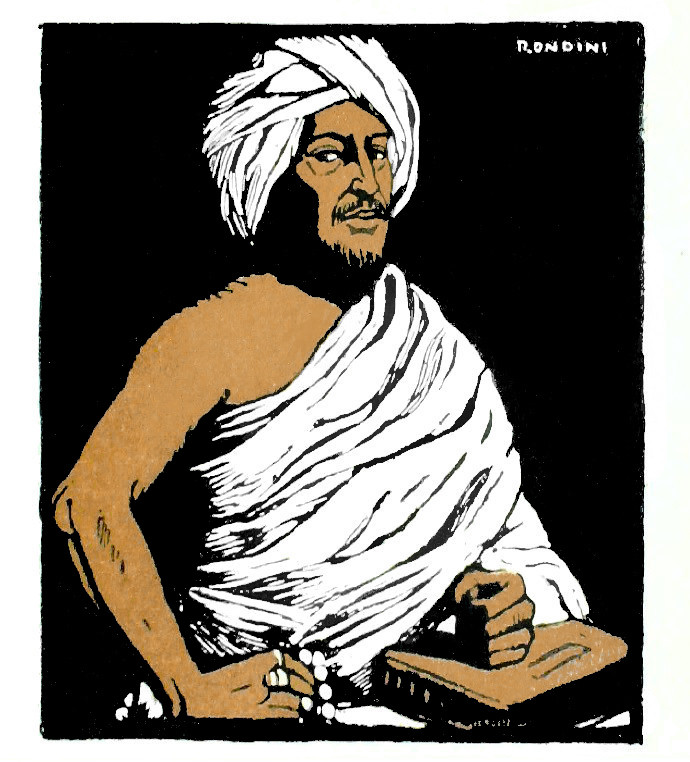


Early life and religious influence
Born into a scholarly family, Hassan trained in Islamic studies and affiliated with the Salihiyya Sufi order, a reformist branch that emphasized strict adherence to religious principles and opposition to perceived corrupting influences. He used religious authority and eloquent Somali poetry to mobilize followers and criticize local rulers and colonial agents whom he viewed as betraying Islamic and Somali interests.
The Dervish movement and organization
In the 1890s Hassan founded an armed movement, commonly known as the Dervishes, which sought to create an autonomous polity free from foreign domination. He formed alliances with traditional leaders, including the Dhulbahante chieftain Diiriye Guure, and established fortified bases such as the complex at Taleh. The movement combined pastoral clan networks, religious cadres, and a disciplined military structure.
Campaigns, conflict and defeat
The Dervishes engaged in repeated campaigns against colonial forces and rival Somali clans between the 1890s and 1920. They fought British expeditions in northern Somalia, clashed with Ethiopian troops, and resisted Italian authority in the south. After years of guerrilla warfare and intermittent truces, British forces used aerial bombardment in 1920 to destroy key Dervish forts; Hassan retreated into the Ogaden region of Ethiopia and died later that year.
Legacy and interpretations
Hassan's legacy is complex. Somali nationalists often regard him as an early anti-colonial hero and symbol of resistance, while colonial-era accounts portrayed him in derogatory terms. Modern scholarship tends to place his movement in the context of religious revivalism and anti-imperial struggle. He is also remembered as a poet whose verses served as propaganda and spiritual exhortation.
Notable facts
- He was commonly known as "the Sayyid," reflecting a claim of descent from the Prophet Muhammad.
- The Dervish state established administrative and military centers, most famously at Taleh.
- Colonial sources assigned pejorative nicknames to Hassan; contemporary studies view him as a complex religious and political leader.
- For further reading on the movement and its local context, see Dervish movement and related histories.
Author
AlegsaOnline.com Mohammed Abdullah Hassan Leandro Alegsa
URL: https://en.alegsaonline.com/art/142804