
Luster (mineralogy): types, causes, and how it aids identification
Luster describes how light interacts with the surface of a mineral, giving characteristic sheen or gloss. This article explains causes, common luster types, diagnostic uses, and important distinctions.
Overview
Luster (or lustre) is the appearance of a mineral's surface in reflected light. It is a descriptive attribute used by geologists, gemologists, and collectors to help identify specimens. Luster depends on how incident light is reflected, absorbed, or transmitted at the surface of a crystal or aggregate, and it can vary with viewing angle, polish, and surface condition. Common examples include the brilliant sheen of a diamond and the bright, metal-like shine of pyrite.
Image gallery
10 Images



Causes and physical basis
The observable luster arises from optical properties such as refractive index, surface smoothness, and the electronic structure of the material. High refractive index and strong internal reflection produce very bright, gemmy lusters; conductive electrons in metals yield a characteristic metallic luster. Surface roughness, microscopic inclusions, and weathering can reduce or modify luster.
Common luster categories
- Metallic: Shiny, opaque, mirror-like (e.g., pyrite, galena).
- Adamantine: Extremely brilliant, gem-like; seen in diamonds and some garnets (e.g., diamond).
- Vitreous: Glassy sheen typical of quartz and many silicates.
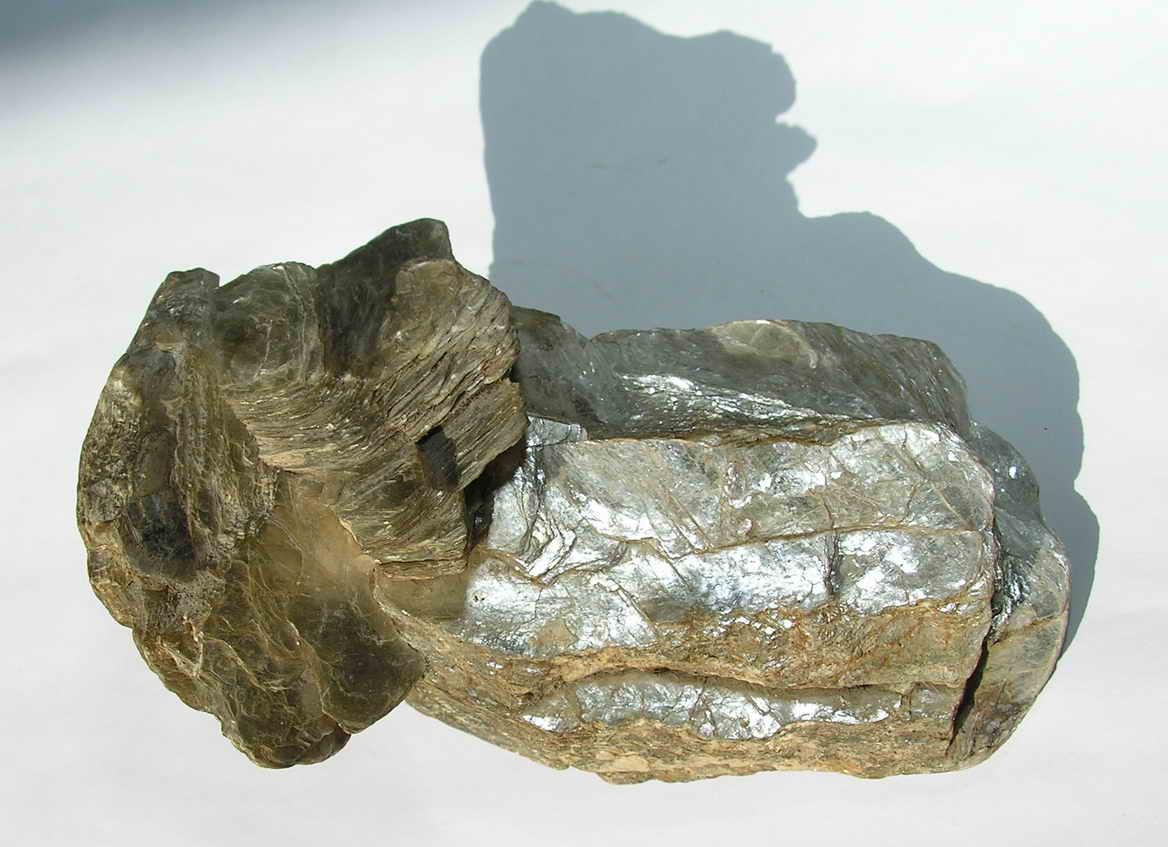
- Pearly/Silky: Layered or fibrous structures produce a soft, glancing shine (mica, talc).
- Resinous/Greasy/Waxy: Softer sheen resembling resin, oil, or wax.
- Dull/Earthy: Little to no specular reflection; looks weathered or porous.
Observing luster and diagnostic use
To assess luster, examine a fresh, clean surface under good lighting and compare to known standards. Luster is most useful when combined with hardness, streak, cleavage, and color. It helps separate groups such as metals from nonmetals and gems from common rock-forming minerals. Note that coatings, fractures, or polish may deceive interpretation.
History, terminology and distinctions
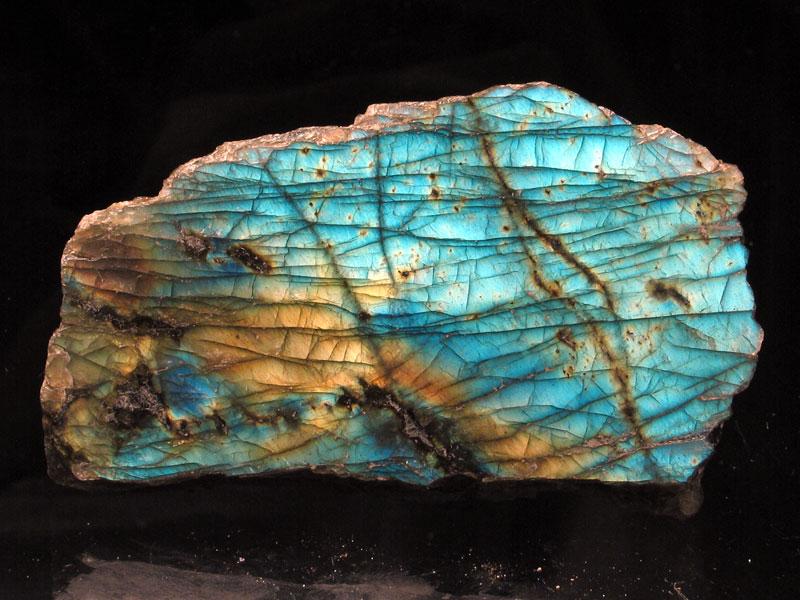
The term derives from the Latin lux, meaning light, and has been part of mineral description for centuries. Luster should not be confused with phenomena like iridescence, play-of-color, or asterism, which arise from diffraction, microscopic structure, or internal reflections rather than the basic surface response to light. For further reading on optical properties and field guides, see basic references and identification keys (mineral reference, crystal studies, and online guides at light and optics resources).
Notable facts
Some minerals can display more than one type of luster depending on the sample or surface: a cleavage plane might be pearly while a fracture surface is dull. In gemology, luster is a key element of perceived brilliance and value. Practical identification often uses luster as a quick visual filter before applying laboratory tests.
Related articles
Author
AlegsaOnline.com Luster (mineralogy): types, causes, and how it aids identification Leandro Alegsa
URL: https://en.alegsaonline.com/art/59997