
Mahogany: characteristics, history, uses and conservation
Mahogany is a durable tropical hardwood prized for furniture, joinery and boatbuilding. This article covers its species, properties, historical use, modern applications and conservation concerns.
Overview
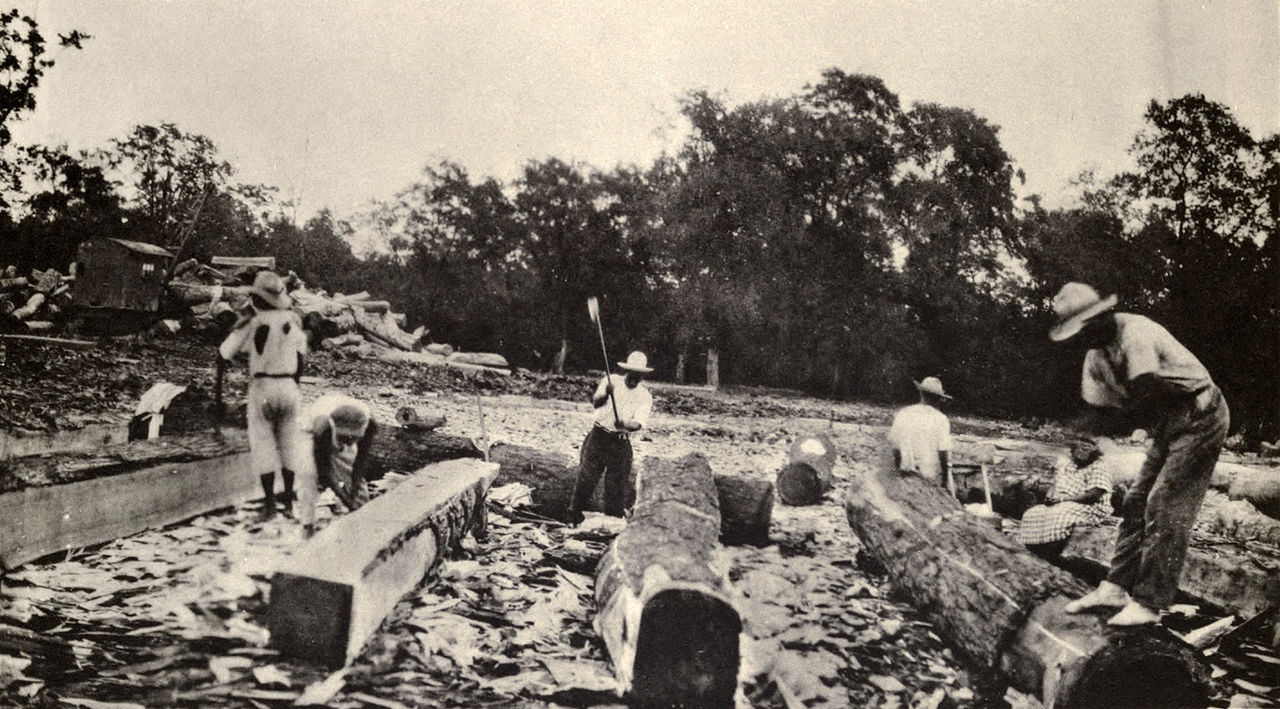
Mahogany is the common name for a group of tropical hardwoods best known from trees in the genus Swietenia and related genera. True mahogany originally entered European awareness in the early 16th century when timber from the Caribbean and the Americas was first exported for shipbuilding and fine woodworking. The most widely cited native species include Swietenia mahagoni, long associated with the Caribbean and southern Florida, and the larger Central and South American species often called Honduran or bigleaf mahogany. Wood experts and regional floras detail the botanical distinctions between these species and other trees that later took the mahogany name.
Image gallery
10 Images




Physical characteristics and working properties
Mahogany is celebrated for a combination of strength, dimensional stability and attractive grain. Typical traits include a straight to interlocked grain, warm reddish-brown color that deepens with age, and a relatively fine, even texture. It machines and carves cleanly, accepts stains and finishes well, and resists warping and shrinking compared with many temperate hardwoods. These qualities make it a preferred choice for high-quality furniture, cabinetry and decorative veneers. For technical descriptions and performance data see regional timber guides and laboratory assessments.
History and development of use
European shipbuilders and cabinetmakers began importing mahogany in the 16th and 17th centuries. Early uses prioritized its durability at sea, and later its visual qualities made it fashionable for domestic interiors. In the 18th and early 19th centuries the material’s popularity reached a peak in Britain and continental Europe, a period sometimes referred to in furniture history as the "Age of Mahogany." Collectors and historians point to this era as central to mahogany’s association with high-quality furniture. For historical context consult accounts by maritime historians and furniture specialists at maritime collections and museum catalogues.
Common uses and examples
- Furniture: chairs, tables, cabinets and fine joinery where appearance and stability matter.
- Veneers and marquetry: thin sliced sheets used to cover less expensive substrates.
- Boatbuilding and musical instruments: valued for strength, resonance and resistance to moisture.
- Architectural millwork and interior finishes: paneling, staircases and mouldings.
For case studies and maker profiles see resources from woodworking organizations and instrument makers at craft associations and industry publications.
Variants, lookalikes and distinctions
Not all timber sold as "mahogany" is from Swietenia. Several African and Asian species in genera such as Khaya and Toona are marketed as African or Philippine mahogany. These woods share many visual and working traits but differ in density, grain figure and availability. Understanding these distinctions can be important for restoration, conservation and matching historic pieces; see comparative guides at wood ID references and trade standards.
Conservation, legality and modern management
Because of extensive logging and high commercial demand, several mahogany species have been subject to population decline and regulatory controls. International agreements and national rules now govern the harvest and trade of many tropical hardwoods to reduce illegal logging and encourage sustainable forestry. Plantations, certified timber schemes and trade in responsibly sourced veneers are among the contemporary responses. For guidance on legal and sustainable sourcing consult conservation organizations and certification bodies at conservation resources, trade certification and government forestry departments listed at government pages and international agreements.
Notable facts: Mahogany’s long association with high-end furniture and naval construction shaped design and colonial economies in the Americas and Europe. Today the name "mahogany" describes both a historical commodity and a contemporary set of choices that balance performance, aesthetics and environmental responsibility.
Questions and answers
Q: What is mahogany?
A: Mahogany is a hard tropical wood from the Americas that was discovered by Europeans early in the 16th century.
Q: Where does mahogany come from?
A: Mahogany comes from a tree called Swietenia mahagoni that is native to southern Florida and islands in the Caribbean including the Bahamas, Cuba, Jamaica, and Hispaniola.
Q: What was mahogany originally used for by the Spanish and English?
A: Mahogany was originally used by the Spanish and English to build ships due to its durableness, resistance to gunshots, and ability to bury shots without splintering.
Q: Who was the first to use mahogany to make furniture?
A: The Spanish were the first to use mahogany to make furniture.
Q: What is the "Age of Mahogany"?
A: The "Age of Mahogany" refers to the period in the 18th and early 19th century when mahogany was much used by English workshops to make furniture.
Q: What special characteristics does mahogany have that make it helpful?
A: Mahogany is strong and durable but easy to bend, making it especially helpful for carpenters. It also grows very tall and is resistant to stains.
Q: Are mahogany trees endangered?
A: Yes, mahogany trees are endangered.
Related articles
Author
AlegsaOnline.com Mahogany: characteristics, history, uses and conservation Leandro Alegsa
URL: https://en.alegsaonline.com/art/60734
Sources
- books.google.com : Mahogany of tropical America: its ecology and management
- books.google.com : Timbers
- books.google.com : Tropical trees of Florida and the Virgin Islands: a guide to identification, characteristics and uses
- books.google.com : True mahogany · archive.org
- books.google.com : A history of English furniture: the age of mahogany