
Lumbar puncture (spinal tap): purpose, technique, risks and aftercare
Lumbar puncture (spinal tap) is a procedure to obtain cerebrospinal fluid or adjust intracranial pressure. This article explains purpose, how it’s done, indications, risks, and follow-up care.
Overview
A lumbar puncture, commonly called a spinal tap, is a clinical procedure used to access the cerebrospinal fluid (CSF) that surrounds the brain and spinal cord. It is a diagnostic and occasionally therapeutic intervention performed by trained clinicians to evaluate central nervous system conditions or to remove excess fluid. Lay summaries often refer to the technique as a simple needle procedure, but it requires skill and understanding of spinal anatomy and indications.
Image gallery
6 Images


When and why it is performed
Common reasons for performing a lumbar puncture include investigation of suspected infections (for example meningitis), assessment of inflammatory or autoimmune disorders, measurement of CSF pressure, and analysis for malignant cells. It may also be used therapeutically to reduce elevated cerebrospinal pressure. For broader context on disorders that can be investigated, see related conditions.
How the procedure is done
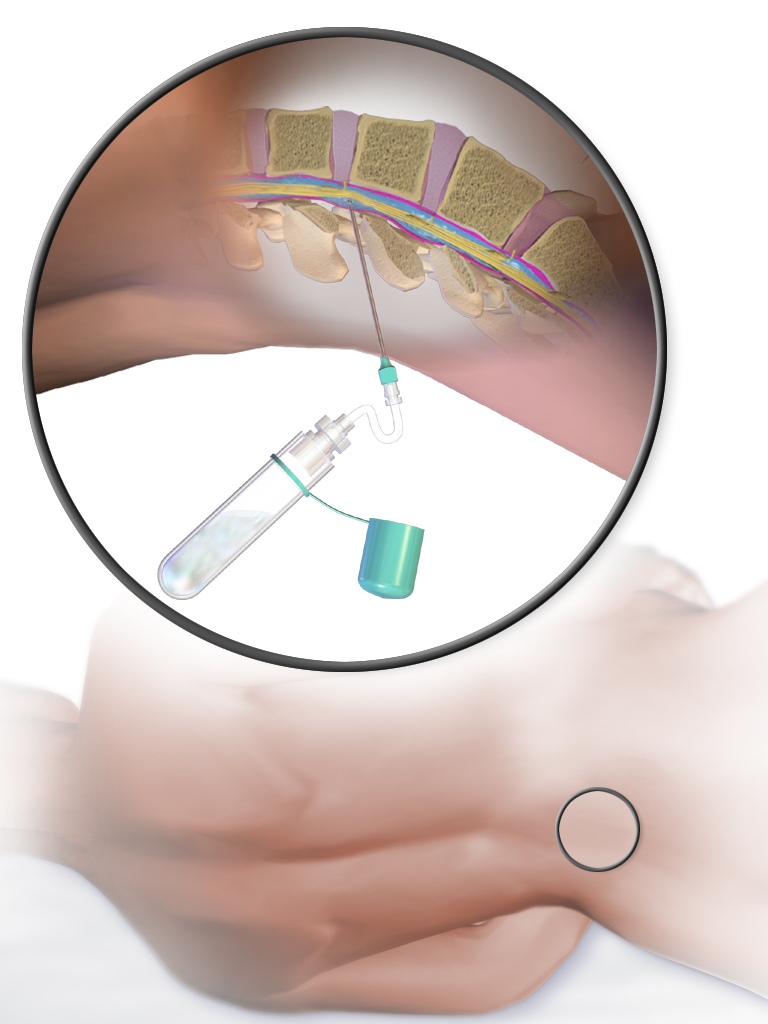
After explaining risks and obtaining consent, the patient is positioned to widen the spaces between lumbar vertebrae. The clinician identifies an appropriate intervertebral level below the termination of the spinal cord, cleans the skin, and injects local anaesthetic. A spinal needle is advanced into the subarachnoid space until clear CSF appears, then samples are collected and opening pressure may be measured. In therapeutic cases a controlled volume of fluid is withdrawn to reduce intracranial pressure. For procedural references see procedure details and for CSF basics consult anatomy resources.
Risks, contraindications and precautions
Although generally safe, lumbar puncture carries potential complications. Common and less serious effects include headache and localized pain. More significant risks are bleeding, infection at the puncture site, nerve irritation, and — rarely — herniation if intracranial mass is present. Because of this, clinicians screen for contraindications (coagulopathy, infection at needle site, or signs of raised intracranial pressure) and may perform imaging before the procedure. For guidance on pressure management consult pressure reduction and for skull or intracranial considerations see intracranial anatomy.
Aftercare and results
Patients are typically observed briefly after the procedure; recommendations often include lying flat for a short time and drinking fluids to reduce headache risk. Laboratory analysis of CSF can take hours to days and may include cell counts, protein and glucose levels, culture, and molecular tests. Interpretation requires clinical correlation because test results vary with timing and underlying disease. When used therapeutically, the effect on symptoms and pressures is monitored and further treatment planned accordingly.
History and notable facts
The technique has evolved since its introduction in the late 19th and early 20th centuries, with modern needles, sterile technique, and imaging guidance improving safety and tolerance. Lumbar puncture remains a cornerstone diagnostic tool in neurology and infectious disease despite advances in imaging and laboratory testing.
Related articles
Author
AlegsaOnline.com Lumbar puncture (spinal tap): purpose, technique, risks and aftercare Leandro Alegsa
URL: https://en.alegsaonline.com/art/59890