
Lupus (systemic lupus erythematosus and related conditions)
Lupus is a chronic autoimmune condition in which the immune system attacks healthy tissues. This article explains types, symptoms, causes, diagnosis, treatment options, and key distinctions.
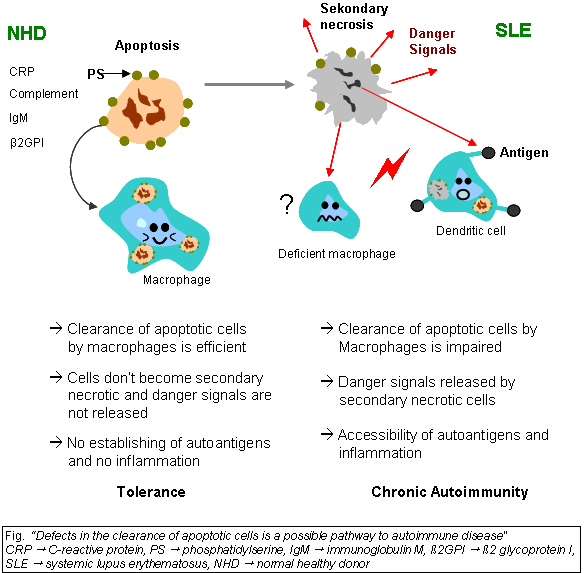
Overview. Lupus, formally called lupus erythematosus, is a group of chronic autoimmune disorders in which the body’s immune system mistakenly targets its own tissues. The condition is long-term (chronic) and may range from mild skin-limited disease to a multisystem illness that affects internal organs. When physicians refer to lupus in everyday practice they most often mean systemic lupus erythematosus (SLE), but the term also covers cutaneous forms and drug-induced variants. Lupus is classified as an autoimmune disease and can cause inflammation, tissue injury and varying degrees of organ dysfunction.
Image gallery
10 Images




Common signs and organ involvement
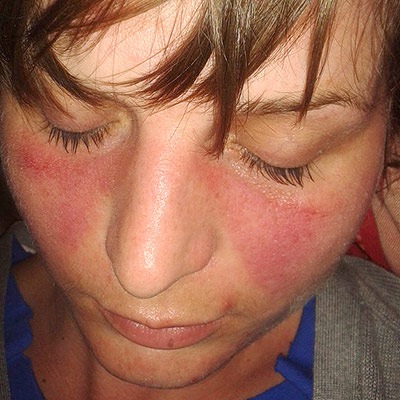
Symptoms are variable and may come and go. Typical complaints include profound fatigue, unexplained fevers, joint pain and swelling, hair thinning, and distinctive skin changes such as photosensitive rashes. One well-known skin finding is a malar or "butterfly" rash across the cheeks and nose. Lupus is capable of affecting many organ systems: the heart, joints, skin, lungs, blood vessels, brain and nervous system, and especially the kidneys. Some people experience Raynaud’s phenomenon (color changes in fingers and toes) or mouth ulcers as part of their disease.
Types and causes
Lupus is not a single disease but a spectrum. Common types include:
- Systemic lupus erythematosus (SLE): affects multiple organs and is the most frequently discussed form.
- Cutaneous lupus: largely limited to skin manifestations.
- Drug-induced lupus: develops after exposure to certain medications and often improves when the drug is stopped.
- Neonatal lupus: a rare condition in newborns related to maternal antibodies.
The exact cause is unknown, but risk appears linked to a mix of genetic susceptibility, hormonal influences and environmental triggers such as infections, ultraviolet light and certain drugs. Women of childbearing age are disproportionately affected.
Diagnosis and treatment
Diagnosing lupus relies on a careful clinical evaluation supported by laboratory tests that may include autoantibody profiles and measures of organ function. No single test definitively rules lupus in or out; diagnosis is clinical. Management aims to control symptoms, limit organ damage and prevent flares. Treatment options range from general measures such as sun protection and lifestyle adjustments to medications. Common therapies include nonsteroidal anti-inflammatory drugs (NSAIDs), antimalarial drugs (for example, hydroxychloroquine), corticosteroids for inflammation, and immunosuppressive agents for more severe organ involvement. Biologic therapies and newer targeted drugs are available for certain patients who do not respond to conventional therapy. When doctors use medications to reduce immune activity, this is often referred to as immunosuppression.
Prognosis, epidemiology and history
Outcomes have improved over recent decades with earlier recognition and better treatments, but serious flares or complications can still be life-threatening. The name "lupus" comes from the Latin word for wolf and historically referred to erosive facial lesions thought to resemble a wolf’s bite; the term persists in modern nomenclature (lupus).
Prevalence estimates vary by region. In the United States and elsewhere numbers are approximate; some sources suggest hundreds of thousands to more than a million affected people, and global estimates likewise vary (worldwide). Incidence and prevalence are higher in women and in certain ethnic groups.
Distinctions and notable facts
- Lupus differs from other autoimmune diseases by its potential to involve many organ systems simultaneously.
- Because signs are diverse and mimic other conditions, lupus can be challenging to diagnose; multidisciplinary care is often needed.
- Ongoing research continues to refine treatments and seek therapies that more precisely target immune pathways while minimizing side effects.
For more introductory resources and patient information see general overviews on the immune system and autoimmune diseases (disease overview, immune system), and consult specialist guidelines for treatment specifics (chronic disease management, autoimmune conditions). Additional reading on affected organs and complications is available (complications, cardiac involvement, joint care, skin manifestations, pulmonary issues, vascular disease, neurologic lupus, nervous system effects).
If you or someone you know is affected, timely evaluation by a clinician experienced in connective tissue diseases can clarify diagnosis, assess organ involvement and guide treatment decisions.
Questions and answers
Q: What is lupus?
A: Lupus, or Lupus erythematosus, is a chronic autoimmune disease of the immune system where the person's own white blood cells attack healthy parts of the body.
Q: What are some symptoms of lupus?
A: Symptoms of lupus include fatigue, fever with no cause, hair loss, mouth sores, sensitivity to sunlight, a skin disease, and Raynaud's syndrome.
Q: How many people in the US may have lupus?
A: It is estimated that between 270,000 and 1.5 million (1,500,000) people in the US may have lupus.
Q: How many people worldwide may have lupus?
A: It is estimated that over 5 million (5,000,000) people worldwide may have lupus.
Q: Who does lupus mainly affect?
A: Lupus mainly affects young women but men can be affected as well.
Q: Is there a cure for lupus?
A: There is currently no cure for lupus that stops the white blood cells from attacking healthy parts of the body forever but doctors are not giving up on finding a cure.
Q: What type of treatment is available for those with lupus?
A: Treatment for those with lupus includes immunosuppression which involves taking medicine to stop white blood cells from damaging healthy cells temporarily until it wears off and then they go back to hurting healthy parts of the body again.
Related articles
Author
AlegsaOnline.com Lupus (systemic lupus erythematosus and related conditions) Leandro Alegsa
URL: https://en.alegsaonline.com/art/59964
Sources
- verywellhealth.com : "Famous People With Lupus Disease"
- billboard.com : billboard.com/music/music-news/toni-braxton-reveals-she-has-lupus-gets-lady-gagas-support…
- nytimes.com : "At Lunch With: Seal; From a Crucible Of Early Pain Comes the Gold Of Stardom"