
Lymphogranuloma venereum (LGV): causes, signs, diagnosis and management
Lymphogranuloma venereum (LGV) is an STI caused by L-serovars of Chlamydia trachomatis. This article explains its presentation, transmission, diagnosis, treatment, prevention and public-health importance.
Overview
Lymphogranuloma venereum (LGV) is a sexually transmitted infection that primarily affects the lymphatic system and adjacent tissues. It is caused by specific strains (serovars L1, L2 and L3) of Chlamydia trachomatis, which are distinct from the serovars more commonly responsible for uncomplicated genital chlamydia. LGV typically begins at a site of mucosal contact and may progress to regional lymph node involvement and, in some cases, chronic scarring.
Image gallery
3 Images

Signs and symptoms
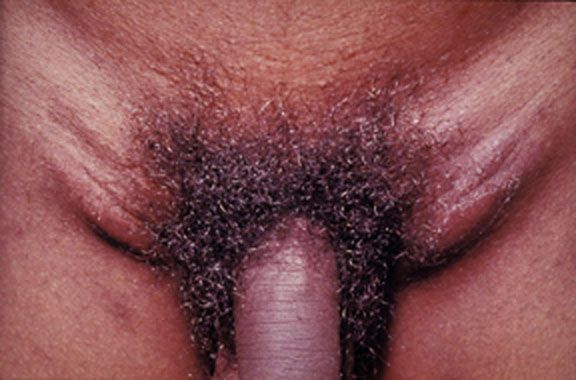
Symptoms usually appear within several days to a few weeks after exposure. Early or primary features can be subtle and include a small painless ulcer or mucosal lesion at the entry site that may go unnoticed. Secondary manifestations arise as painful swelling of regional lymph nodes (buboes), sometimes with abscess formation. Infections affecting the rectum can produce proctitis with pain, bleeding and discharge.
- Small genital or anorectal ulcer or papule
- Unilateral tender inguinal or femoral lymphadenopathy (buboes)
- Fever and malaise in acute stages
- Proctitis, rectal pain and discharge when the rectum is involved
- Chronic complications: scarring, strictures or lymphatic obstruction if untreated
Cause, transmission and risk factors
LGV is transmitted through direct sexual contact involving infected mucosa or secretions. It is not a different species of organism from other chlamydial infections but is caused by distinct serovars of the same species. People with receptive anal exposure, men who have sex with men (MSM), and individuals with HIV infection are reported more frequently among diagnosed cases. Transmission dynamics and incidence vary by region; LGV is relatively uncommon in some countries but remains important in parts of Central and South America and in recent outbreaks elsewhere.
For general background on the affected body systems see the lymphatic system and for information about sexual transmission see sexual contact.
Diagnosis and treatment
Diagnosis is based on clinical features and laboratory testing. Nucleic acid amplification tests (NAATs) that detect C. trachomatis are commonly used; further typing or separate assays can identify LGV-associated serovars. Serology and culture have limited roles but may assist in select settings. Prompt diagnosis is important to prevent complications.
- Laboratory tests: NAATs and genotyping when available (laboratory guidance).
- Treatment: antibiotic regimens recommended by public-health authorities are effective when adhered to; close contacts should be evaluated and treated.
- Management may require drainage of large buboes or specialist care for chronic complications.
For more on symptoms and clinical pathways see clinical symptom guidance and for testing protocols see laboratory resources.
Public health, prevention and history
Historically recognized as a distinct disease associated with particular chlamydial strains, LGV has experienced periods of low visibility and localized outbreaks. Surveillance and awareness among clinicians grew after clusters of cases were reported among MSM in parts of Europe and North America in the early 21st century. Because many infections can be overlooked, contact tracing, screening of symptomatic individuals and partner notification are central to control efforts.
Prevention relies on safer-sex practices (including consistent condom use), reduction of exposure risk, prompt testing for sexually transmitted infections, and access to care. People living with HIV or those with higher numbers of sexual partners should discuss screening with health professionals. Public-health resources and guidance are available from regional authorities and sexual health clinics; additional information can be found via sexual health resources and on services for people with HIV at HIV care sites.
Recognizing LGV early, treating cases and informing contacts reduces the risk of long-term complications. For epidemiological data and local recommendations consult public-health agencies or specialist clinics; clinical management should follow up-to-date national or regional guidance (transmission facts).
For further reading and authoritative references see general overviews and laboratory guidance linked above (diagnostic resources).
Questions and answers
Q: What is lymphogranuloma venereum?
A: Lymphogranuloma venereum is a chronic infection of the lymphatic system caused by three different types of the bacterium Chlamydia trachomatis.
Q: How is lymphogranuloma venereum transmitted?
A: Lymphogranuloma venereum is primarily spread through sexual contact.
Q: Is lymphogranuloma venereum caused by the same bacteria that cause genital chlamydia?
A: No, lymphogranuloma venereum is not caused by the same bacteria that cause genital chlamydia.
Q: Where is lymphogranuloma venereum more common?
A: Lymphogranuloma venereum is more common in Central and South America than in North America.
Q: How many cases of lymphogranuloma venereum are diagnosed in the United States each year?
A: Every year, a few hundred cases of LGV are diagnosed in the United States. However, the actual number of infections is unknown.
Q: Who is more at risk for lymphogranuloma venereum?
A: LGV is more common in men than women. The main risk factor is being HIV-positive.
Q: What are the symptoms of lymphogranuloma venereum?
A: Symptoms of LGV can begin a few days to a month after coming in contact with the bacteria. Symptoms include: ... (more information needed from the original text)
Related articles
Author
AlegsaOnline.com Lymphogranuloma venereum (LGV): causes, signs, diagnosis and management Leandro Alegsa
URL: https://en.alegsaonline.com/art/60104