
Lyme disease (Lyme borreliosis): causes, symptoms, diagnosis, treatment, and prevention
Lyme disease is an infection caused by Borrelia spirochetes transmitted by ticks. This article explains its causes, stages, diagnosis, treatment options, prevention, history, and important distinctions.
Overview
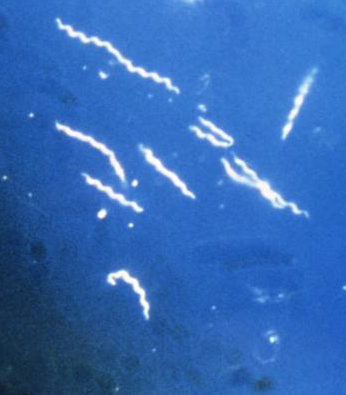
Lyme disease, also called Lyme borreliosis, is an infection produced by spirochete bacteria in the Borrelia burgdorferi sensu lato complex. It is transmitted to humans by tick bites and is the most common tick-borne disease in the United States and many parts of Europe and Asia. Clinical presentations vary widely: some people have a single characteristic skin lesion, while others develop multisystem signs that can affect the joints, heart, and nervous system.
Image gallery
10 Images




Causes and transmission
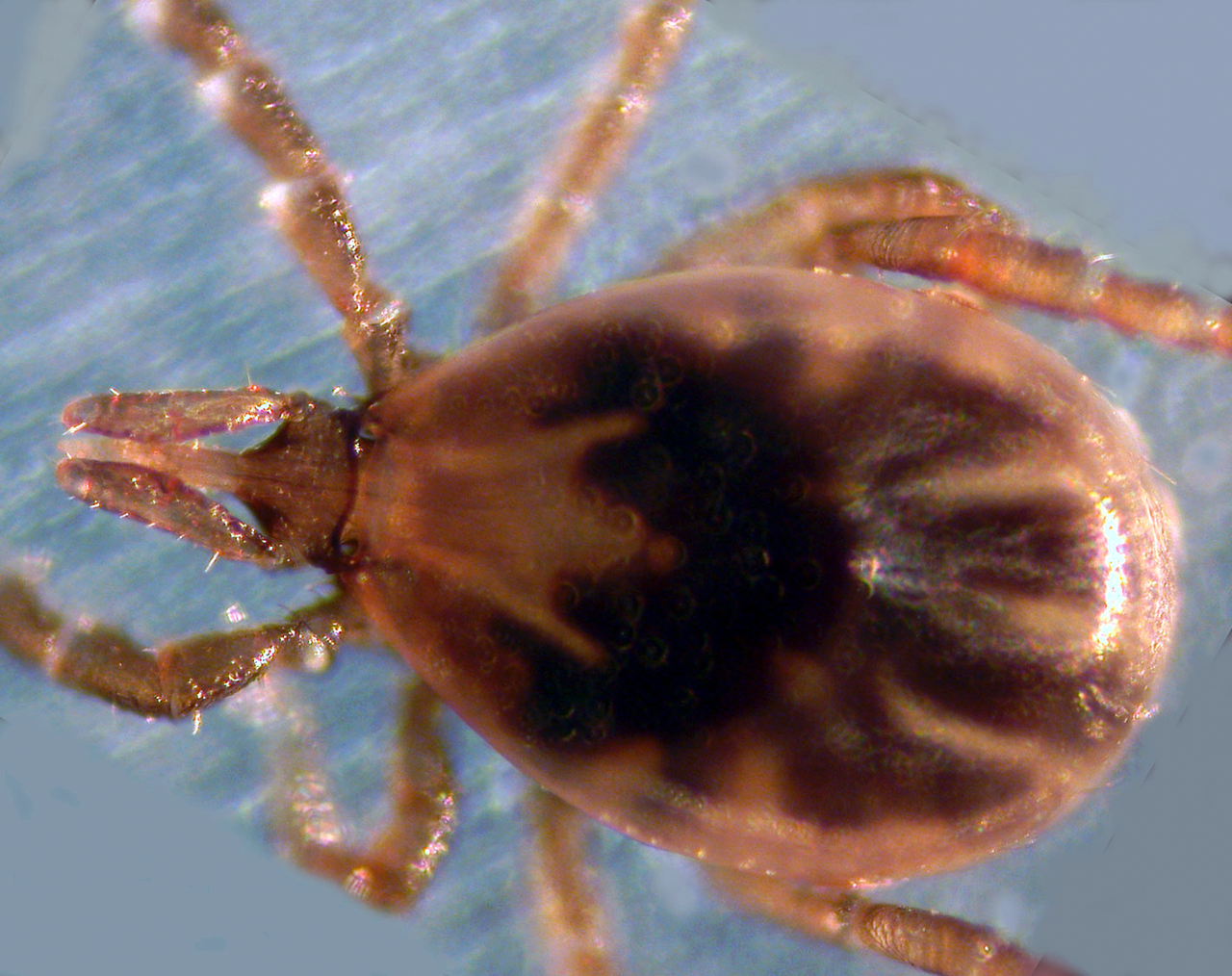
The causative organisms are bacteria of the genus Borrelia, including species that differ by region. Ticks of the Ixodes genus (for example, the black-legged or deer tick) acquire the bacteria by feeding on infected wildlife such as small rodents and deer. These animals act as reservoir hosts; the infected tick then transmits the organism to a human host during a blood meal. In short, ticks are the biological vectors that carry the infection from animal reservoirs to people, with animals like mice and deer important in maintaining the cycle.
Symptoms and clinical stages
Symptoms usually progress in stages, although not everyone follows a textbook pattern. Early localized infection commonly produces a spreading skin rash called erythema migrans and flu-like symptoms. Early disseminated infection can include multiple skin lesions, facial nerve palsy, meningitis or other neurological signs, and occasionally carditis. Late or persistent infection often involves intermittent or chronic joint swelling (Lyme arthritis) and longer-term neurologic or musculoskeletal complaints.
Diagnosis and treatment
Diagnosis is based on clinical findings (for example, an expanding rash after a tick bite) and supported by laboratory testing when appropriate. Serologic tests measure antibodies and are most useful several weeks after infection; they have limitations and must be interpreted in context. Early Lyme disease is generally treatable with standard antibiotics such as doxycycline, amoxicillin, or cefuroxime axetil. Prompt treatment typically prevents later complications. A small subset of patients report persistent symptoms after treatment; this phenomenon is debated and often referred to as post-treatment Lyme syndrome.
Prevention and public health measures
- Avoid tick habitats when possible and use protective clothing and repellents.
- Perform thorough tick checks after outdoor activities and remove attached ticks promptly and properly.
- Manage yards to reduce tick habitat and use veterinary measures to protect pets.
- Public health surveillance and education aim to reduce disease burden in endemic regions.
History and notable facts
Clusters of a mysterious arthritis were described in the 1970s near Lyme, Connecticut; investigators recognized a tick-borne pattern and by the early 1980s researchers identified the responsible spirochete. Because different Borrelia species predominate in different regions, clinical features and diagnostic challenges vary geographically. Research continues on improved diagnostic methods, vaccine development, and management of persistent symptoms.
Further reading and resources
For more detailed overviews and guidance, consult authoritative public health and infectious disease sources: organism information, taxonomic resources, Borrelia references, and educational pages about vectors and reservoirs such as vectors and wildlife hosts. Regional guidance is available for clinicians and the public (regional epidemiology), and focused materials cover joint manifestations (arthritis) and neurologic involvement (neurologic complications).
Related articles
Author
AlegsaOnline.com Lyme disease (Lyme borreliosis): causes, symptoms, diagnosis, treatment, and prevention Leandro Alegsa
URL: https://en.alegsaonline.com/art/60096
Sources
- idsociety.org : "IDSA : Updated Guidelines on Diagnosis, Treatment of Lyme Disease"
- ilads.org : "Basic Information about Lyme Disease from ILADS"
- cdc.gov : "Lyme Disease – Lyme Disease – CDC"