
Lung cancer: overview, types, causes, diagnosis, treatment and prevention
Comprehensive overview of lung cancer: main types, risk factors, common symptoms, diagnostic approaches, staging, treatments including surgery, chemo, targeted and immunotherapy, and prevention.
Lung cancer is a group of diseases characterized by uncontrolled growth of abnormal cells in one or both lungs. It is the leading cause of cancer death worldwide, responsible for approximately 1.8 million deaths each year. Most cases are linked to tobacco smoke, but a significant minority arise in people who have never smoked. Lung cancers differ widely in how they behave and how they are treated, so accurate classification and staging are central to patient care.
Image gallery
10 Images




Major types and characteristics
Clinically, lung cancer is divided into two broad categories that guide treatment and prognosis:
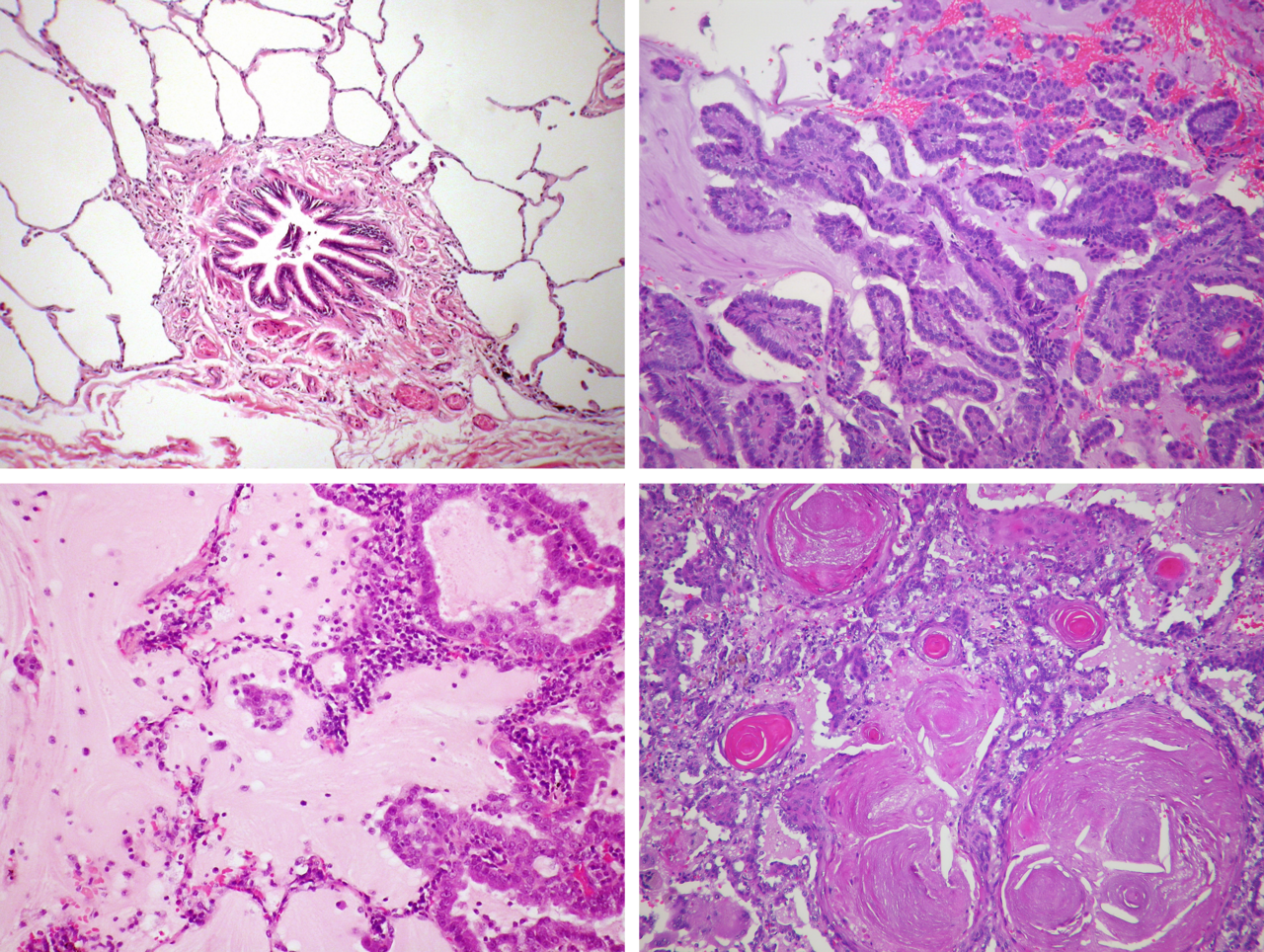
- Non-small cell lung cancer (NSCLC) — accounts for about 85–90% of cases and includes several subtypes: adenocarcinoma (the most common subtype in many countries and often seen in never-smokers), squamous (epidermoid) carcinoma, and large cell (undifferentiated) carcinoma. NSCLC generally grows and spreads more slowly than small cell lung cancer and is often treated with surgery when detected early.
- Small cell lung cancer (SCLC) — less common but more aggressive, SCLC tends to grow rapidly and spread early. It is strongly associated with cigarette smoking and is often treated primarily with chemotherapy and radiation rather than surgery.
Risk factors
The single greatest risk factor is active tobacco smoking. Additional well-established contributors include:
- Secondhand smoke exposure
- Radon gas, a naturally occurring radioactive gas that can accumulate in homes
- Occupational exposures such as asbestos, arsenic, chromium, and diesel exhaust
- Air pollution
- Prior lung disease and certain genetic predispositions
Signs and symptoms
Early lung cancer may be asymptomatic. When symptoms occur they can include:
- Persistent cough or change in a chronic cough
- Coughing up blood (hemoptysis)
- Chest pain or discomfort
- Shortness of breath, wheezing, or recurrent respiratory infections
- Unexplained weight loss, fatigue, or hoarseness
Diagnosis and staging
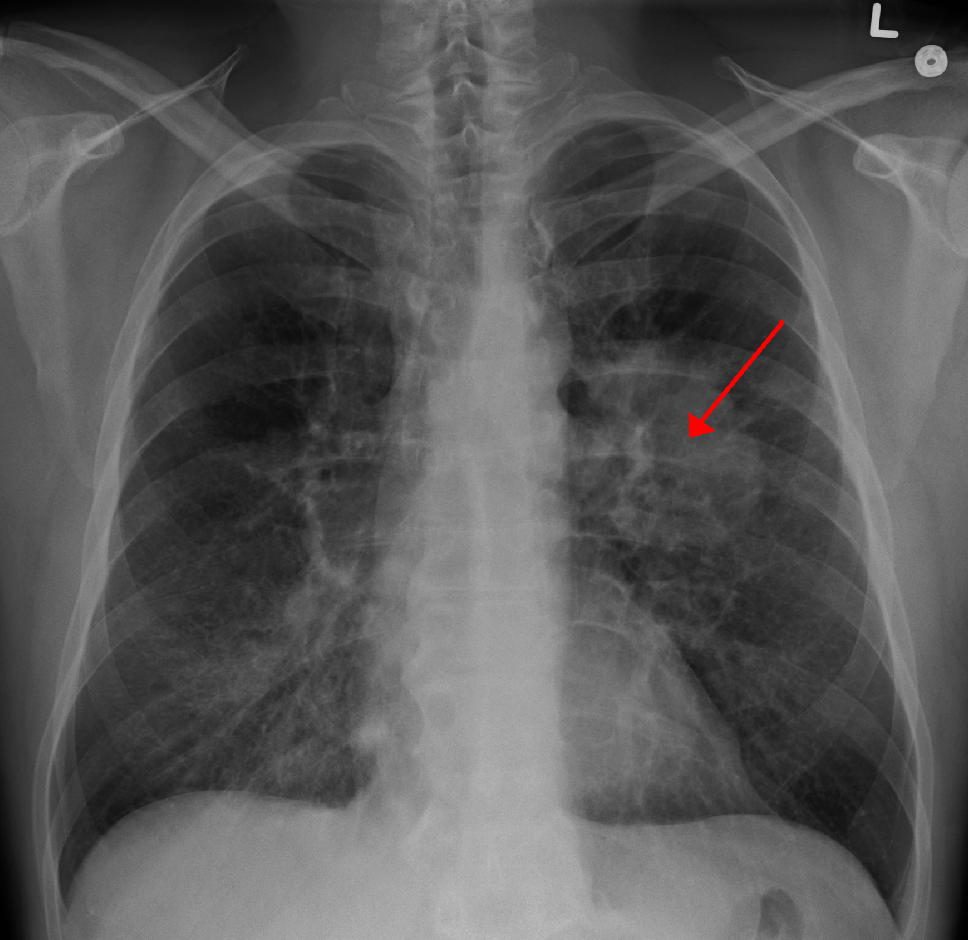
Diagnosis typically begins with imaging: a chest X-ray or computed tomography (CT) scan can detect suspicious lung nodules. PET scans may assess metabolic activity and spread. Tissue sampling is required for a definitive diagnosis and may be obtained by bronchoscopy, CT-guided needle biopsy, endobronchial ultrasound, or surgical biopsy. Pathology determines the type and molecular features of the tumor.
Staging differs by type: NSCLC uses the TNM system (tumor size/extent, nodal involvement, distant metastases) to guide treatment decisions. SCLC is often described as limited (confined to one hemithorax and regional nodes) or extensive (widespread disease).
Treatment options
Treatment depends on cancer type, stage, molecular characteristics and patient fitness. Common approaches include:
- Surgery — lobectomy, segmentectomy or pneumonectomy for early-stage NSCLC.
- Radiation therapy — used as definitive therapy, adjuvant therapy or for symptom control.
- Chemotherapy — a mainstay for SCLC and for many advanced NSCLC cases.
- Targeted therapy — drugs directed at specific molecular alterations (for example EGFR, ALK, ROS1, BRAF and others) can produce substantial benefit in patients whose tumors carry those changes.
- Immunotherapy — agents that modulate the immune system (such as PD-1/PD-L1 inhibitors) have improved outcomes for many patients with advanced NSCLC.
- Palliative care — symptom control and quality-of-life care are integral at all stages for many patients.
Prevention, screening and outlook
Preventive measures include smoking prevention and cessation, reducing occupational exposures, and testing for radon in homes. For selected high-risk individuals (typically older heavy smokers), regular low-dose CT screening has been shown to reduce lung cancer mortality by detecting disease at an earlier, more treatable stage.
Prognosis varies widely. Early-stage cancers amenable to surgery have the best outcomes; advanced disease generally carries a poorer prognosis, though newer targeted and immune-based therapies have improved survival and quality of life for many patients.
Understanding the type of lung cancer, its stage, and molecular features is essential to selecting effective treatment. Ongoing advances in screening, molecular diagnostics and therapies continue to change the landscape of care and offer hope for improved outcomes.
Questions and answers
Q: What is lung cancer?
A: Lung cancer is the uncontrollable growth of abnormal cells in one or both of the lungs.
Q: What is the leading cause of lung cancer?
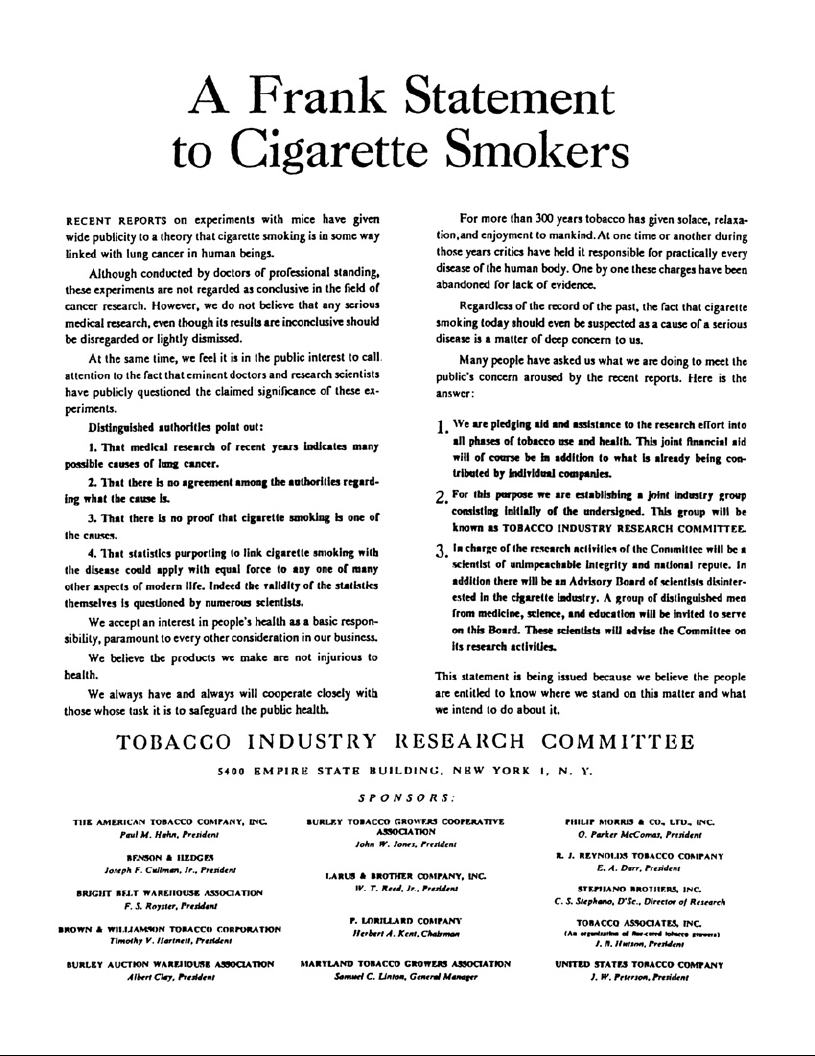
A: Cigarette smoking causes most lung cancers when smoke gets in the lungs.
Q: How many people die from lung cancer each year?
A: Lung cancer kills 1.8 million people each year, more than any other cancer.
Q: What is the leading cause of cancer death in men?
A: Lung cancer is the leading cause of cancer death in men.
Q: What are the two main types of lung cancer?
A: There are two main types of lung cancer: small cell lung cancer and non-small cell lung cancer.
Q: What are the symptoms of lung cancer?
A: Symptoms of lung cancer include chest pain, coughing, congestion, and heart burn.
Q: Who is at a higher risk of contracting lung cancer?
A: People who have a deficient low pigment count have a higher chance of contracting lung cancer.
Related articles
Author
AlegsaOnline.com Lung cancer: overview, types, causes, diagnosis, treatment and prevention Leandro Alegsa
URL: https://en.alegsaonline.com/art/59942