
Royal Geographical Society (RGS)
British learned and professional society that advances geographical science through research, education, expeditions, collections, publications and public engagement; linked with the Institute of British Geographers.
The Royal Geographical Society (commonly abbreviated RGS and often referred to as RGS-IBG after its association with the Institute of British Geographers) is a learned and professional body devoted to the advancement of geographical knowledge. It brings together academic geographers, field researchers, teachers, and members of the public with an interest in the study of places and environments. The society acts as a hub for scholarly exchange, practical fieldwork and the communication of geographic ideas to wider audiences. For a general entry point, see the society's main information page: RGS overview.
Image gallery
4 Images

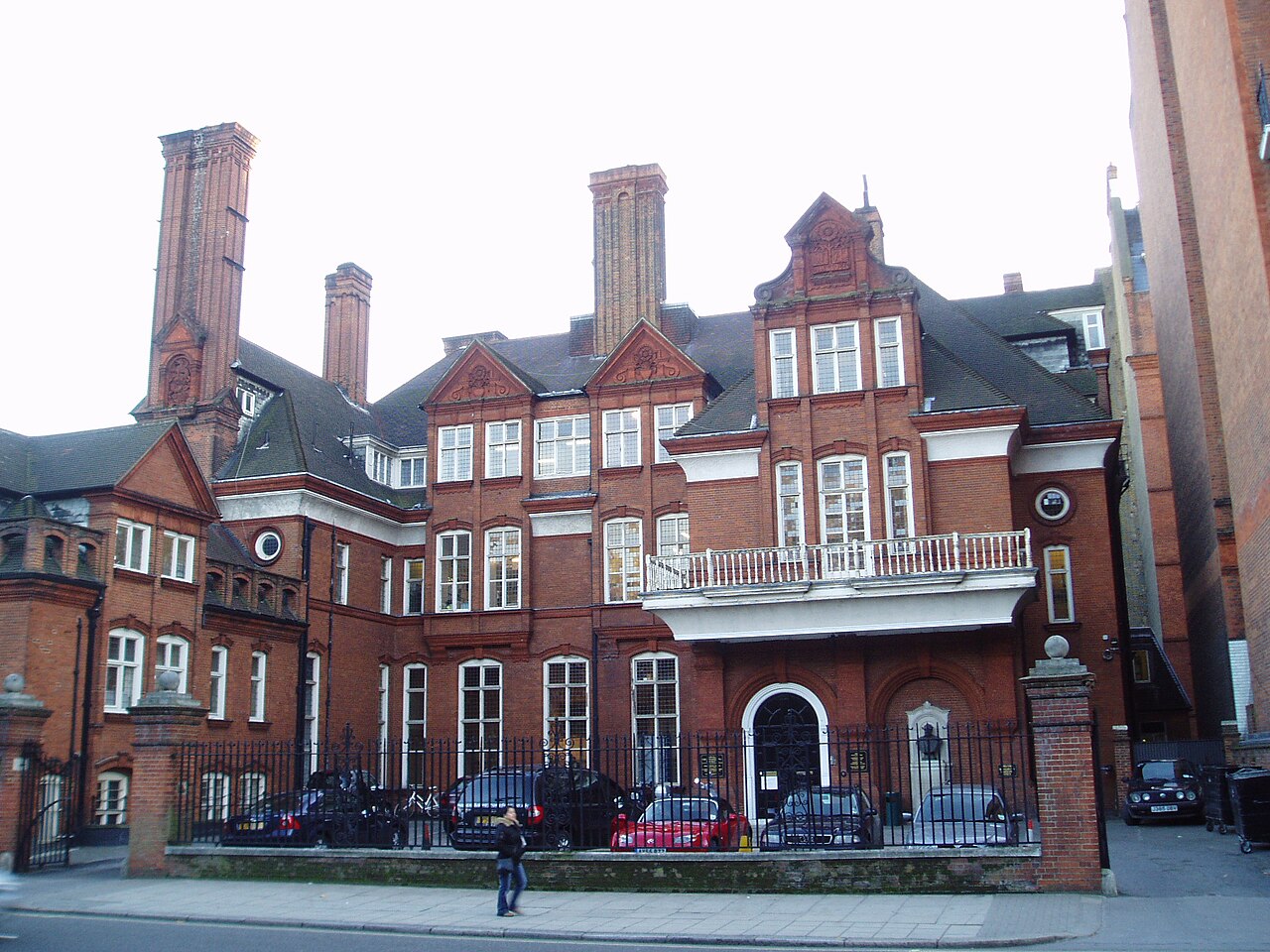

History and structure
Founded in the 19th century as an institution to support exploration and mapping, the society developed into a central organisation for British geography. Over time it forged closer links with the Institute of British Geographers; today that partnership is reflected in the combined identity and joint activities of RGS-IBG. The organisation is governed by an elected council and made up of professional, student and corporate members, as well as fellows who have contributed to the discipline. Membership sections and specialist groups cover topics from human geography to polar studies, providing networks and professional development opportunities. Practical details about joining or membership categories are available through the society's membership pages: membership information.
Activities and functions
The society supports geography through several complementary roles: funding and advising research and field expeditions; hosting lectures, conferences and seminars; accrediting academic programmes; and advising on policy where spatial understanding is relevant. It offers grants and fellowships for research projects and for early-career researchers, and serves as a convening body for debate on environmental and social challenges that have geographic dimensions.
Collections, publications and awards
RGS maintains extensive collections of maps, manuscripts, photographs and artefacts gathered from explorers and research programmes. These archives are used by historians, geographers and members of the public for study and exhibitions. The society also publishes scholarly and popular material, including journals and reports that disseminate new findings and methodological advances. RGS awards medals and prizes to recognise significant contributions to geography and exploration, traditions that help sustain academic and field excellence.
Education, outreach and distinction
Education and public engagement are core to the society's mission: it develops resources for schools and teachers, runs outreach programmes to broaden participation in geographic study, and contributes expertise to media and policy debates. RGS plays a distinctive role in preserving the history of exploration while promoting modern, evidence-based approaches to environmental and spatial problems. Research tools and digital resources are made available to support study and teaching: research resources.
Notable figures associated with the society have ranged from pioneering explorers to contemporary public intellectuals. As cited in the source material, the society's president at that time was Michael Palin, a public figure known for travel and broadcasting. The Royal Geographical Society remains a central institution for anyone interested in understanding places, environments and the relationships between people and the planet.
Related articles
Author
AlegsaOnline.com Royal Geographical Society (RGS) Leandro Alegsa
URL: https://en.alegsaonline.com/art/84458
Sources
- rgs.org : History