
Stockman: roles and traditions of livestock workers
A stockman is a livestock worker — commonly used in Australia for station employees — with duties ranging from animal husbandry to mustering. This article explains roles, history, and regional differences.
Overview
The term stockman most commonly denotes a person who cares for livestock on large pastoral properties, especially in Australia. On such properties, called stations, stockmen are responsible for the daily management of cattle, sheep and other animals. The role exists in other contexts too — including abattoirs, feedlots, live export vessels and rural service agencies — but its specific duties and social connotations vary by country.
Image gallery
10 Images



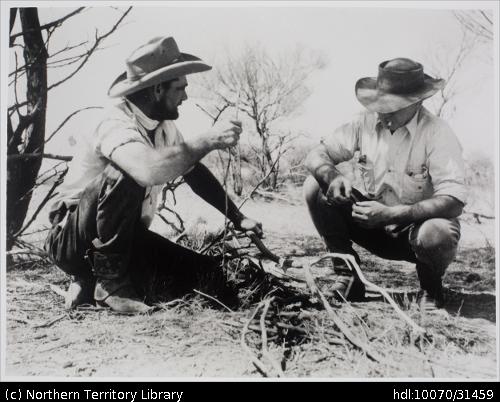

Typical duties and skills
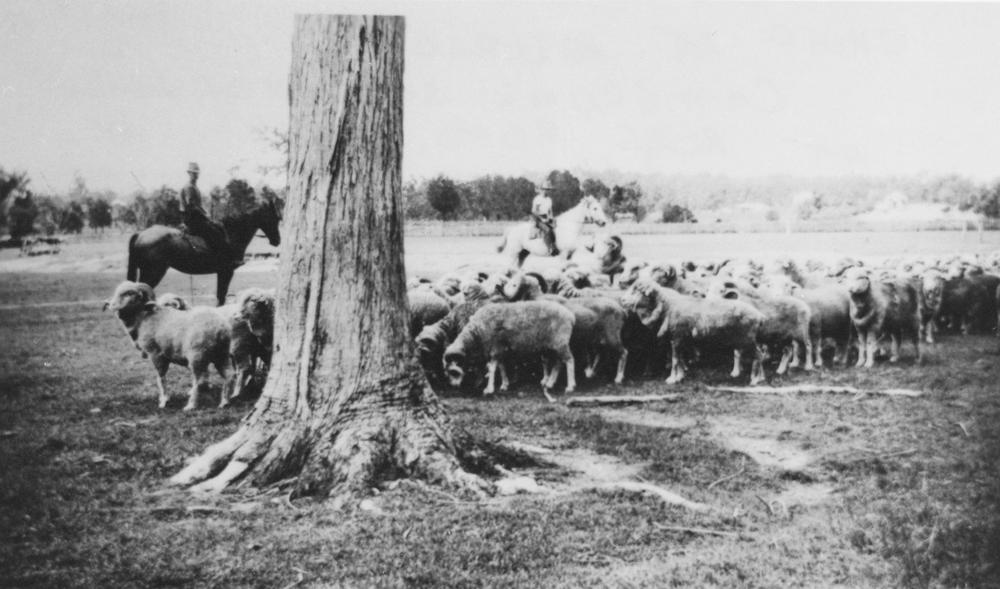
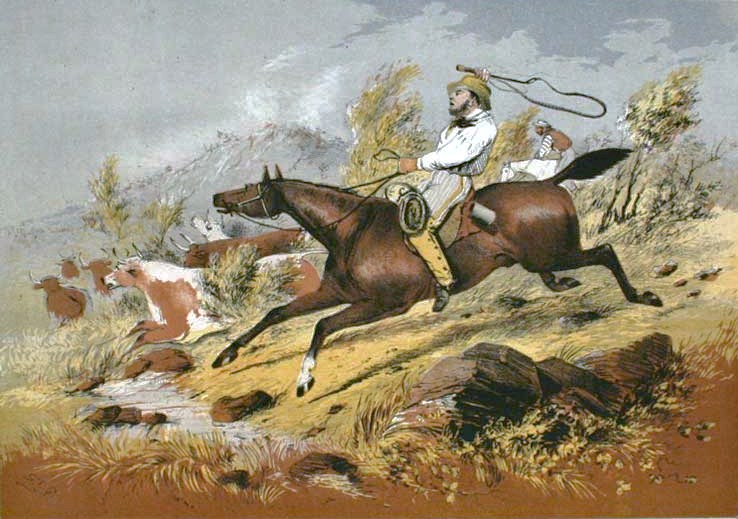
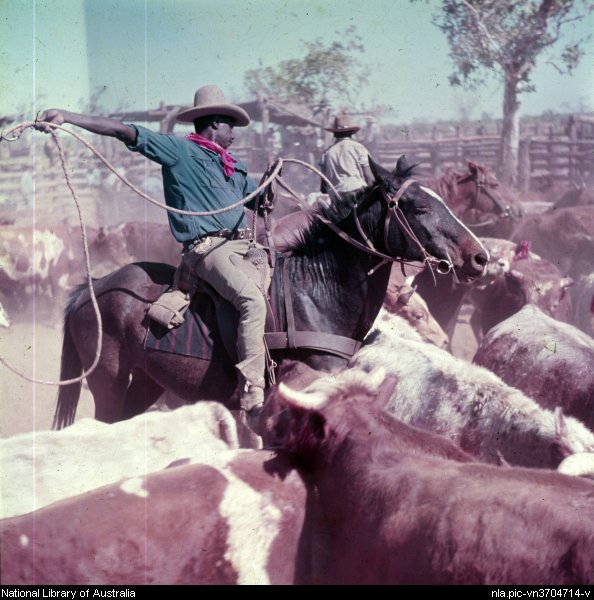
Stockmen combine animal husbandry with practical outdoor work. Core tasks include feeding and watering animals, observing their health, administering basic treatments, moving and mustering stock, repairing fences, and maintaining yards and equipment. Skilled stockmen are competent horse or vehicle riders, able to interpret animal behaviour, and familiar with basic veterinary care and breeding practices. Modern stations may also require operation of motorbikes, tractors and handling equipment.
Workplaces and related roles
In Australia a stockman usually works on a pastoral station owned by a grazier or company. The livestock itself — commonly called livestock — may be cattle, sheep, goats or mixed herds. Workers on stations are often called station hands; trainees aiming to become managers may be known as jackaroos or jillaroo. Other connected occupations include drovers, who look after animals during long overland movements, shearers, and staff at slaughterhouses or export facilities.
History and regional differences
The word stockman has a long association with rural Australia and its pastoral industry. In North America the term historically referred to people who raised or tended stock as well, though regional vocabulary differs: terms such as rancher, cowboy or stockgrower are more common in parts of the United States and Canada. These differences reflect distinct agricultural systems and cultural traditions.
Contemporary developments
Stations and their workforce have changed with technology and social shifts. Mechanisation, improved animal health practices and stricter welfare regulations have altered day‑to‑day work. There has also been growth in opportunities for women on stations; many properties now provide separate accommodation and adapt equipment to reduce the need for heavy manual labour. Meanwhile, seasonal workers and contractors remain important for tasks such as mustering and shearing.
Importance and notable facts
- Stockmen play a central role in primary production, contributing to meat, wool and dairy supply chains.
- Training can be informal and apprenticeship‑style on the job, though formal agricultural courses and certifications are increasingly common.
- Related jobs — drovers, jackaroos/jillaroos, and abattoir workers — form a broader rural labour network.
For more general background on the role within Australian rural life see an overview of pastoral work in Australia. For comparison with North American usage consult summaries of livestock terminology in the United States and Canada.
Questions and answers
Q: What is a stockman in Australia?
A: A stockman is a person who takes care of livestock on large farms known as a station.
Q: What are some other places where a stockman may be employed in Australia?
A: A stockman can also work at abattoirs, feedlots, on live export ships or with stock and station agencies.
Q: What is the job title given to men who are learning to become station managers?
A: Men learning to become station managers are known as "jackaroos".
Q: What is the job title given to women who are learning to become station managers?
A: Women learning to become station managers are known as "jillaroos".
Q: Are women employed as stockmen on farms in Australia?
A: Yes, girls are often employed as stockmen on farms in Australia.
Q: Have stations in Australia made any accommodations for women to work on them?
A: Yes, some stations have built female living quarters and put in machinery to make it easier for women to work on them.
Q: What is the job of a drover in Australia?
A: The job of a drover is to look after livestock while they are travelling on a stock route.
Author
AlegsaOnline.com Stockman: roles and traditions of livestock workers Leandro Alegsa
URL: https://en.alegsaonline.com/art/94000
Sources
- campdraft.com.au : Campdraft Rules