
Louis Braille: Inventor of the Tactile Writing System for the Blind
Life and work of Louis Braille (1809–1852), the French teacher who created the Braille tactile code, its design, development, uses in reading and music, and its global adoption.
Overview
Louis Braille (4 January 1809 – 6 January 1852) was a French educator and innovator best known for creating the Braille system, a tactile reading and writing method used by blind and visually impaired people worldwide. His code transformed access to literacy, education, and printed information by providing a compact, touch-based alphabet and notation that could be produced on paper and read with the fingertips.
Image gallery
8 Images





Early life and education
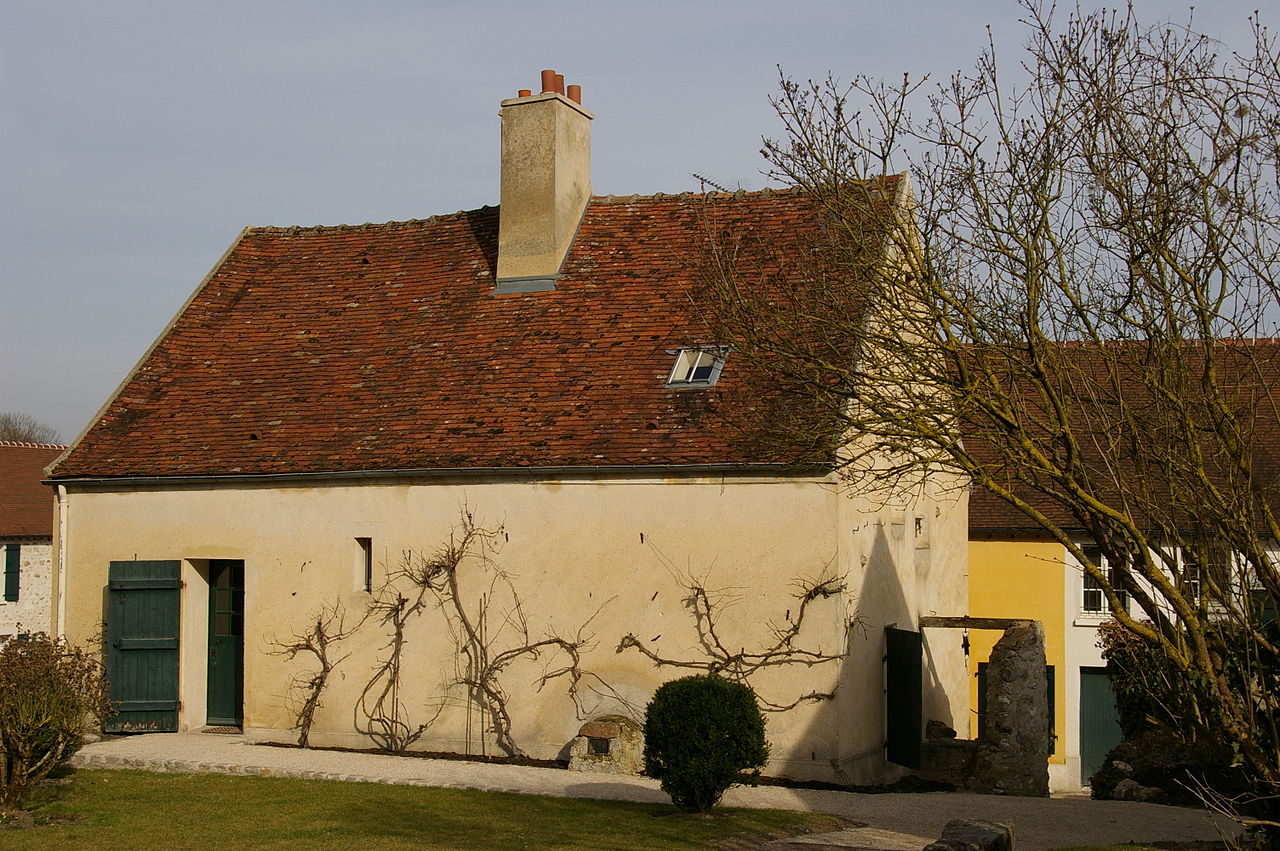
Born in Coupvray in the Île-de-France region, Braille was the youngest of four children in a family of a leather worker. He lost his sight following an accident in his father's workshop during early childhood and later became a pupil at the Royal Institute for Blind Youth in Paris. There he showed talent in reading by touch, music, and mathematics, and he trained to be a teacher and organist. His experiences as a student and teacher at the institute shaped his understanding of the difficulties faced by blind learners and motivated his efforts to design a practical tactile script.
Development of the Braille system
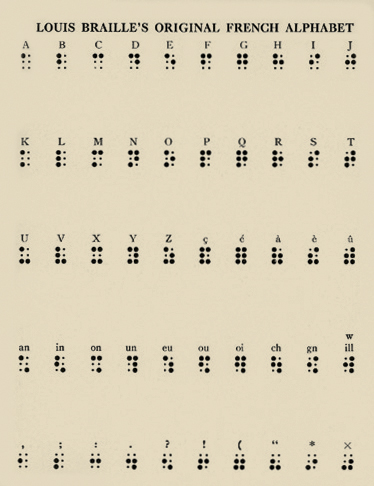
Braille adapted and simplified ideas from earlier tactile codes used for night-time military messages and other experimental alphabets, creating a compact, efficient system based on cells of raised dots. He produced an initial version of his code while still a young man and refined it over time; his work introduced a standardized six-dot cell that could be arranged to represent letters, punctuation, numerals, and musical notation. Braille published his system and taught it at the institute, gradually persuading others of its merits despite initial resistance from some educators.
Characteristics and uses
The standard Braille cell consists of up to six raised dots arranged in two columns of three. Different combinations encode alphabetic characters, common punctuation, mathematical symbols, and specialized signs for music and computer notation. Braille is read by running the fingertips across embossed cells, and it can be written by hand with a stylus and slate, produced with mechanical embossers, or displayed on refreshable tactile electronic devices. Versions of the system have been adapted to many languages and scripts, enabling access to literature, education, and professional materials.
Legacy and importance
Although Braille died relatively young, his system endured and spread internationally. Over the decades it became the primary medium for literacy among blind readers and a foundation for educational and social inclusion. Today, Braille remains an important tool alongside audio and digital technologies, and efforts to teach and preserve Braille continue in schools, libraries, and advocacy organizations worldwide.
Further reading and resources
- Biographical overview of Louis Braille
- Origins and early versions of the Braille code
- How tactile reading works
- Adaptations of Braille for different languages
- Family and early background
- Siblings and personal life
- Accounts of the childhood accident
- Context of 19th-century medicine
- Disease and blindness in historical perspective
- Educational history of the Royal Institute for Blind Youth
- Braille's interest in science and teaching
- Musical notation in Braille
- Braille as teacher and organist
- Place and circumstances of his death
- Health and causes of mortality in his era
Related articles
Author
AlegsaOnline.com Louis Braille: Inventor of the Tactile Writing System for the Blind Leandro Alegsa
URL: https://en.alegsaonline.com/art/59418
Sources
- rnib.org.uk : RNIB