
Sibling
An overview of siblings: biological and social types, kinship and genetic relationships, cultural roles, legal considerations, psychological dynamics, and common patterns in family life.
Overview
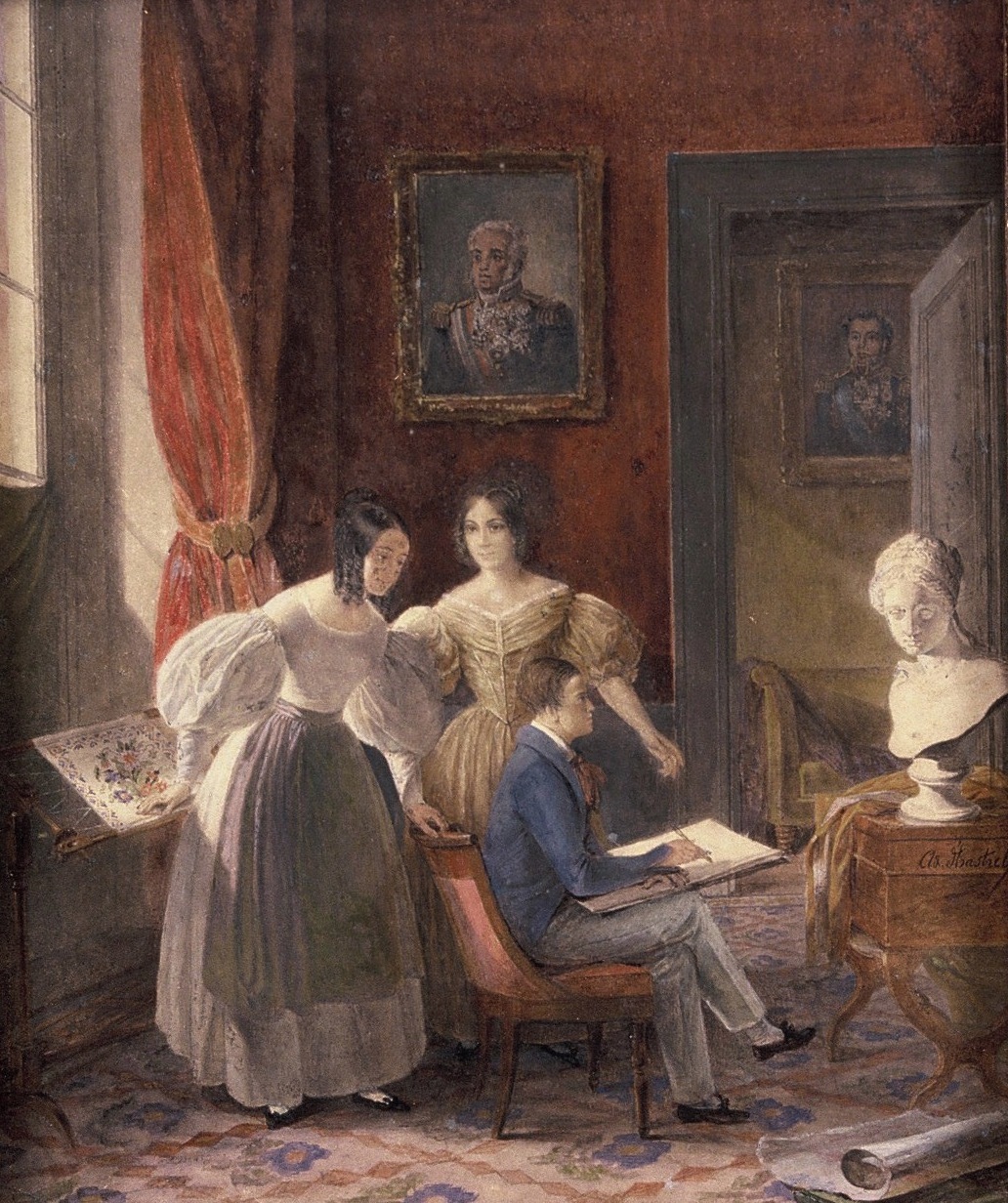
A sibling is a person's brother or sister. This relationship may be biological, adoptive, step, or formed by legal guardianship. Siblings often share family environments, resources and histories that influence identity and social development. The bond can be cooperative and supportive, competitive, ambivalent or distant, and it often endures across the lifespan.
Image gallery
9 Images



Types and definitions
Siblings are classified by their relationship to the same parents or household:
- Full siblings — share both biological parents and on average about half their segregating genes.
- Half siblings — share only one biological parent; they typically have less genetic overlap than full siblings.
- Step-siblings — related by marriage of parents and usually lack a biological tie.
- Adoptive siblings — legally and socially siblings through adoption, without biological relation.
- Twins — may be monozygotic (identical, nearly all genes shared) or dizygotic (fraternal, like ordinary full siblings).
Biology and genetics
Biological relatedness affects inheritance of genes and some health risks, but does not determine personality. Full siblings typically share about 50% of their genetic variation on average; identical twins share almost all inherited genetic material. Genetic recombination means actual sharing varies between pairs. Family environment, parental practices and social context interact with genetic factors.
Social and cultural roles
Across cultures, siblings serve as playmates, caregivers, economic partners, and transmitters of family traditions. Some societies assign formal roles by birth order or gender; in others, obligations are flexible. Siblings can provide social support in adulthood, including emotional care and practical help for aging parents.
Legal and practical considerations
Legally, siblings may be heirs, next of kin for medical decisions, or parties in custody and guardianship matters. Specific rights and responsibilities vary by jurisdiction and family law.
Psychological dynamics
Researchers study sibling rivalry, alliance, birth-order effects and lifelong companionship. Relationships can foster social skills, empathy and resilience, but may also involve conflict or abuse. Clinicians consider sibling interaction important for child development and family therapy.
Change and diversity
Modern family forms — including blended families, assisted reproductive technologies and international adoption — have diversified sibling relationships. Relationships evolve over time as individuals form their own households, careers and social networks.
Related articles
Author
AlegsaOnline.com Sibling Leandro Alegsa
URL: https://en.alegsaonline.com/art/90179
Sources
- doi.org : 10.1017/thg.2013.83
- pubmed.ncbi.nlm.nih.gov : 24330841
- doi.org : 10.1037/0882-7974.3.1.43
- pubmed.ncbi.nlm.nih.gov : 3268242
- theguardian.com : "She's my sister from another mister! | Janelle Butterfield"