
Braille: Tactile Writing System for Blind and Visually Impaired Readers
Braille is a tactile system of raised-dot cells that enables people who are blind or have low vision to read and write. It uses a six-dot cell, multiple codes, and a range of production technologies.
Overview
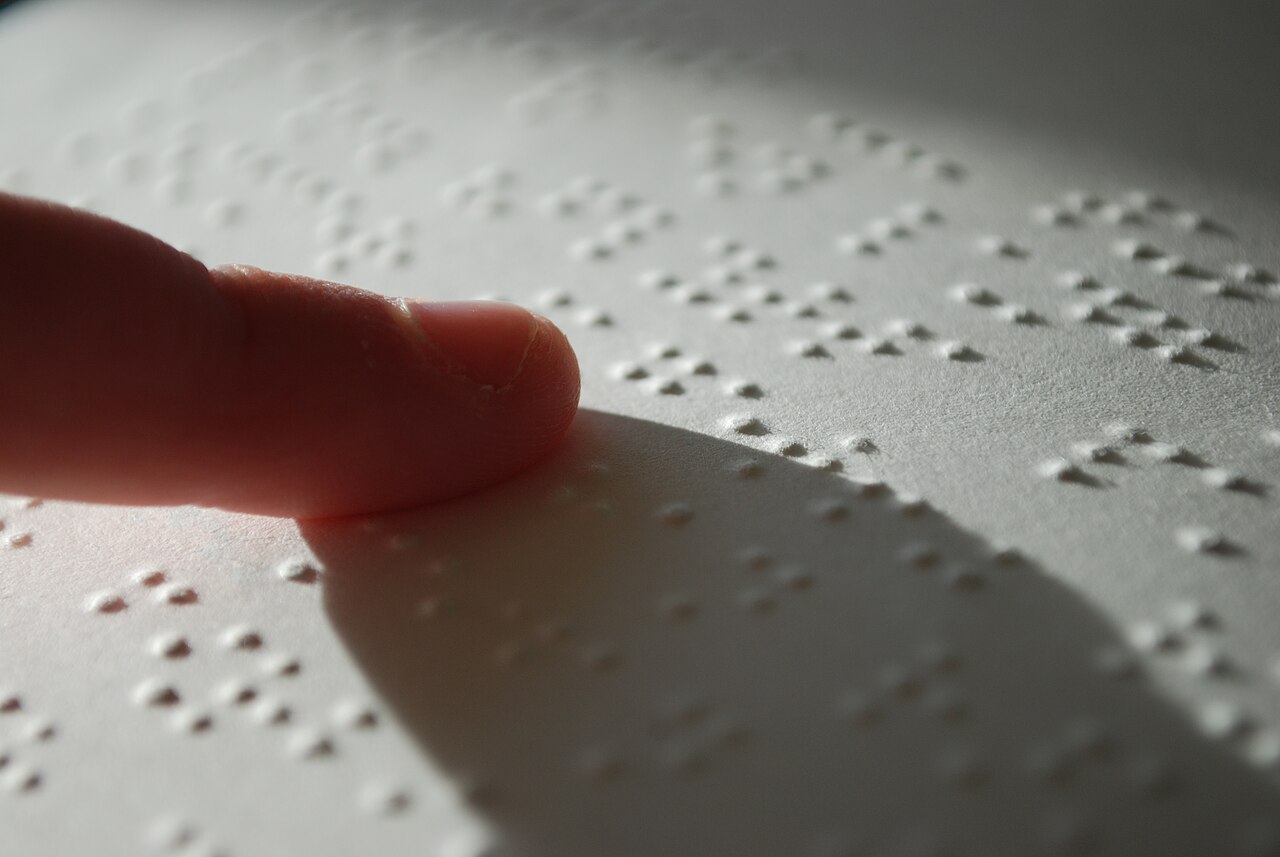
Braille is a tactile writing system that represents letters, numbers and other symbols using raised dot patterns read by touch. It was developed in the early 19th century and takes its name from its principal inventor, Louis Braille. The system is primarily used by blind readers and people with significant visual impairment to access written language independently.
Image gallery
6 Images


Basic structure
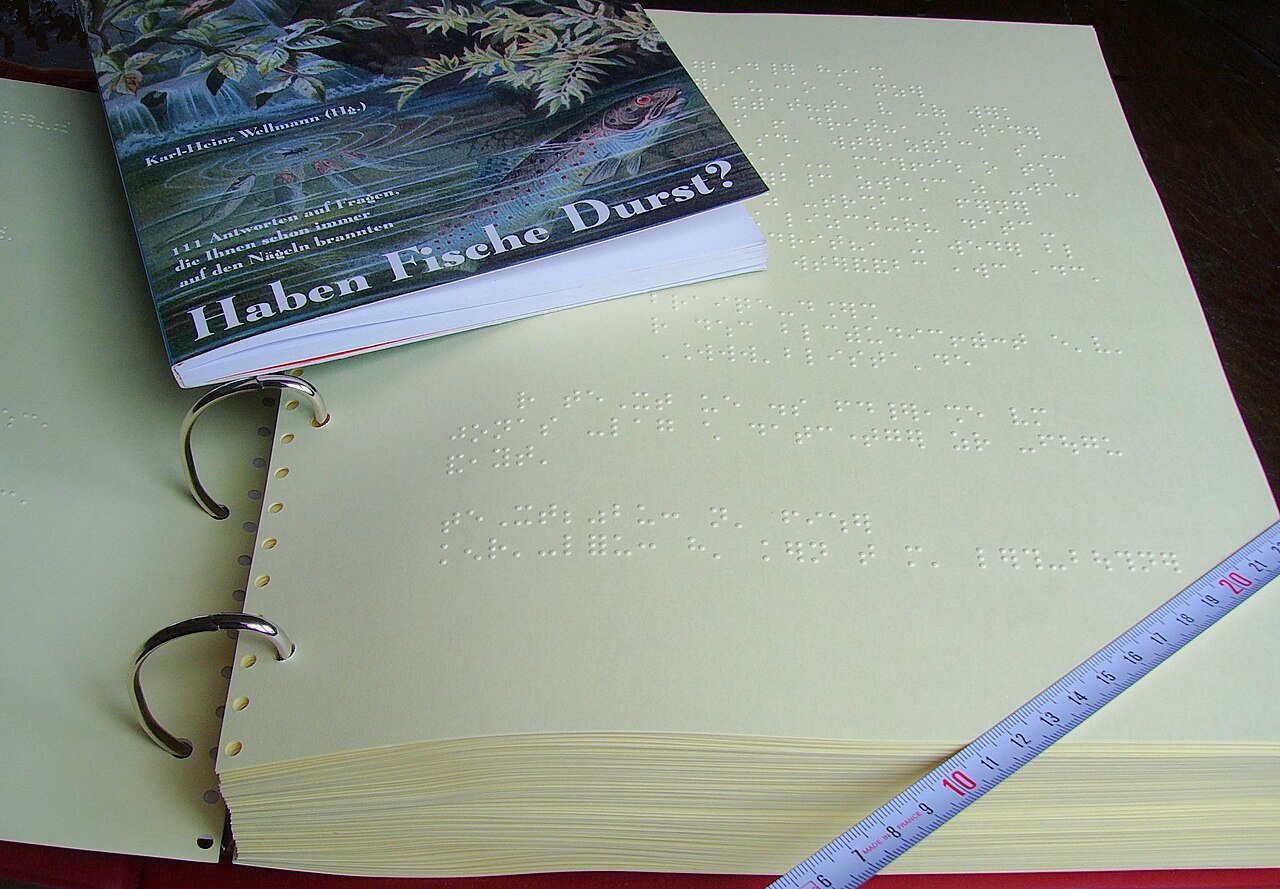
The fundamental unit of braille is the six-dot cell, arranged in two columns of three dots. Different combinations of those dots form distinct braille characters. With six positions there are 64 possible patterns, including the blank cell used for spacing. Standard literary braille encodes an alphabet, digits and common symbols, and separate patterns or indicators are used for capitalization and numbers. Punctuation and special marks are also represented—many systems use dedicated signs for punctuation.
History and development
Braille grew out of earlier tactile codes devised for night-time military messaging. Louis Braille, who was himself blind, refined and simplified those ideas into a compact, fingertip-friendly system in the 1820s. Over time the basic cell and conventions were standardized and adapted for many languages and writing systems worldwide.
Variants and specialized codes
- Grade 1 (uncontracted): a direct letter-for-letter transcription used for beginners.
- Grade 2 (contracted): uses abbreviations and contractions to save space and increase reading speed.
- Specialized codes: mathematical (e.g., Nemeth), computer braille, and music braille tailor dot patterns to specific domains.
Production, tools, and technology
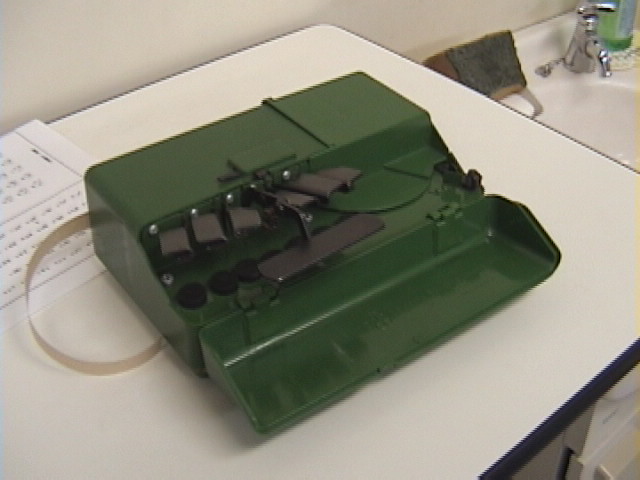
Traditionally braille is produced with a slate and stylus or a mechanical braille writer. Modern options include electronic braille displays, embossers that print tactile pages, and software that translates text to braille. These technologies allow dynamic access to digital content and integration with mainstream computing devices.
Importance and contemporary role
Braille remains a central tool for literacy, education, and independence for many blind people. Although audio and speech technologies have expanded access to information, braille supports spelling, punctuation awareness, and detailed study of mathematics and foreign languages. Worldwide, educators and advocates continue to promote braille literacy alongside emerging assistive technologies.
Questions and answers
Q: Who invented the Braille system?
A: Louis Braille, a Frenchman, invented the Braille system.
Q: What is the Braille system used for?
A: The Braille system is used by blind people to read and write.
Q: How does the Braille system work?
A: The Braille system uses a set of raised bumps or dots that can be felt with a finger. Each set of dots represents a character in an alphabet, as well as numbers and some punctuation.
Q: Can non-blind people use the Braille system?
A: While the Braille system is primarily used by blind people, non-blind individuals can also learn and use it.
Q: Is the Braille system universal?
A: No, the Braille system may vary slightly between languages and countries.
Q: Is the Braille system still used today?
A: Yes, the Braille system is still widely used today as a means of communication for the blind.
Q: How has the Braille system impacted the lives of blind people?
A: The Braille system has allowed blind people to read and write, thereby improving their quality of life by enabling them to independently access information and communicate.
Related articles
Author
AlegsaOnline.com Braille: Tactile Writing System for Blind and Visually Impaired Readers Leandro Alegsa
URL: https://en.alegsaonline.com/art/13653
Sources
- scribd.com : "University of Brescia - Lana de Terzi"