
Inventor: creator of new devices, methods, and technologies
An inventor devises new devices, methods or processes. This article explains what inventors do, types of inventions, historical development, examples, and legal and practical distinctions.
An inventor is a person who creates a new device, process, method or practical application that did not previously exist in that form. The word covers those who produce physical machines, software algorithms, chemical formulations, or novel ways of organizing work. In common usage an invention refers to the concrete result — a tool, mechanism or technique — while the inventor is the originator of that result.
Image gallery
10 Images
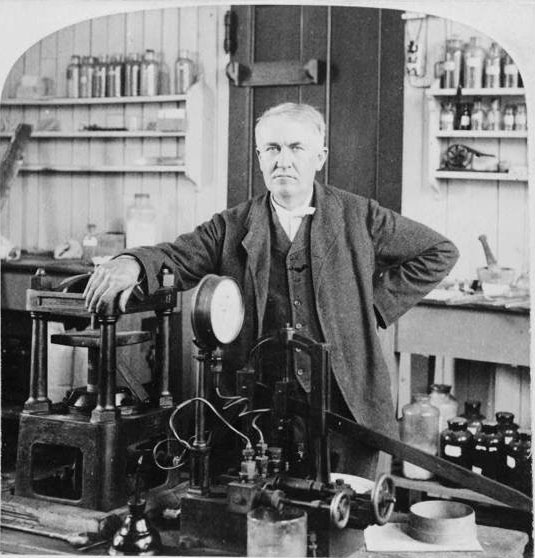

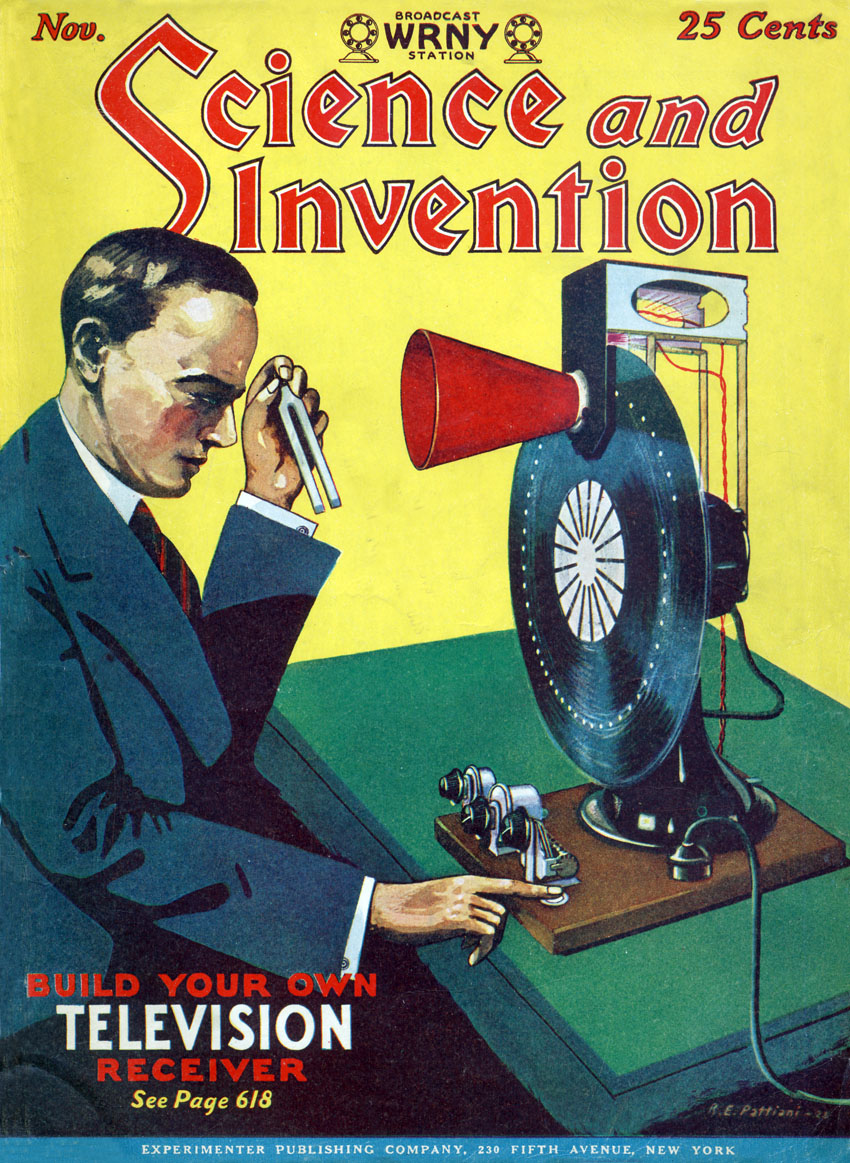


Characteristics and types
Inventions vary by discipline and scale. They can be primarily electrical, electronic or digital; primarily mechanical; chemical or materials-related; biological or medical; or conceptual methods and business processes. Some inventors focus on radical, disruptive breakthroughs; others make incremental improvements that refine, simplify or adapt existing solutions. The inventive act often combines creativity, practical problem solving and knowledge of existing technology.
Process, protection and recognition
Turning an idea into a usable invention typically follows stages: identifying a problem, researching prior solutions, prototyping, testing and refining, and finally protecting or publishing the result. Many jurisdictions offer legal protection through a patent, which grants exclusive rights for a limited time in exchange for disclosing how the invention works. Not all inventions are patented; some are kept as trade secrets, published openly, or released under collaborative terms.
History and development
The role of inventors has evolved with technology and institutions. Early human inventions were simple tools and timekeeping devices: ancient communities used sundials and other natural indicators, and later developed water clocks and mechanical devices. Over centuries, innovations such as escapements and pendulums improved accuracy in timekeeping, and modern designs often rely on electronic components. The cumulative nature of invention means many advances build on prior work.
Uses and notable examples
Inventors contribute across industry, science and everyday life. A single modern product such as a car or computer contains many distinct inventions combined into a system: materials, safety mechanisms, control electronics and user interfaces. For instance, methods for measuring time evolved from simple shadow clocks to precision oscillators in watches and networked time services referenced by modern clocks. Similarly, complex systems like vehicles are assemblies of multiple inventions.
Distinctions and practical facts
- Some inventors focus on novel ideas or processes rather than physical objects.
- Many successful inventions are incremental improvements rather than wholly original creations; improving an existing device is still inventive work and may be patentable if it meets legal criteria.
- Legal recognition, such as a patent, is separate from practical impact: not every patented invention becomes widely used, and important practical improvements are sometimes never patented.
Inventors operate in diverse contexts — individual tinkerers, corporate research teams, academic laboratories and open communities. Their work shapes technology, industry and everyday convenience by introducing new capabilities, improving efficiency, and solving concrete problems.
Related articles
Author
AlegsaOnline.com Inventor: creator of new devices, methods, and technologies Leandro Alegsa
URL: https://en.alegsaonline.com/art/47903