
Lincolnshire (county in eastern England)
Lincolnshire is a largely rural county in eastern England, noted for the historic city of Lincoln, wide agricultural plains, chalk Wolds, the Fens and a long North Sea coastline.
Lincolnshire is a ceremonial and historic county in the east of England. Its county town is the ancient city of Lincoln, famed for a medieval cathedral and castle. The county sits broadly between low-lying coastal plains and rolling chalk hills, and is often associated with agriculture and open countryside. For location details see coordinates and general county context at Lincolnshire in regional descriptions of the east of England.
Image gallery
10 Images


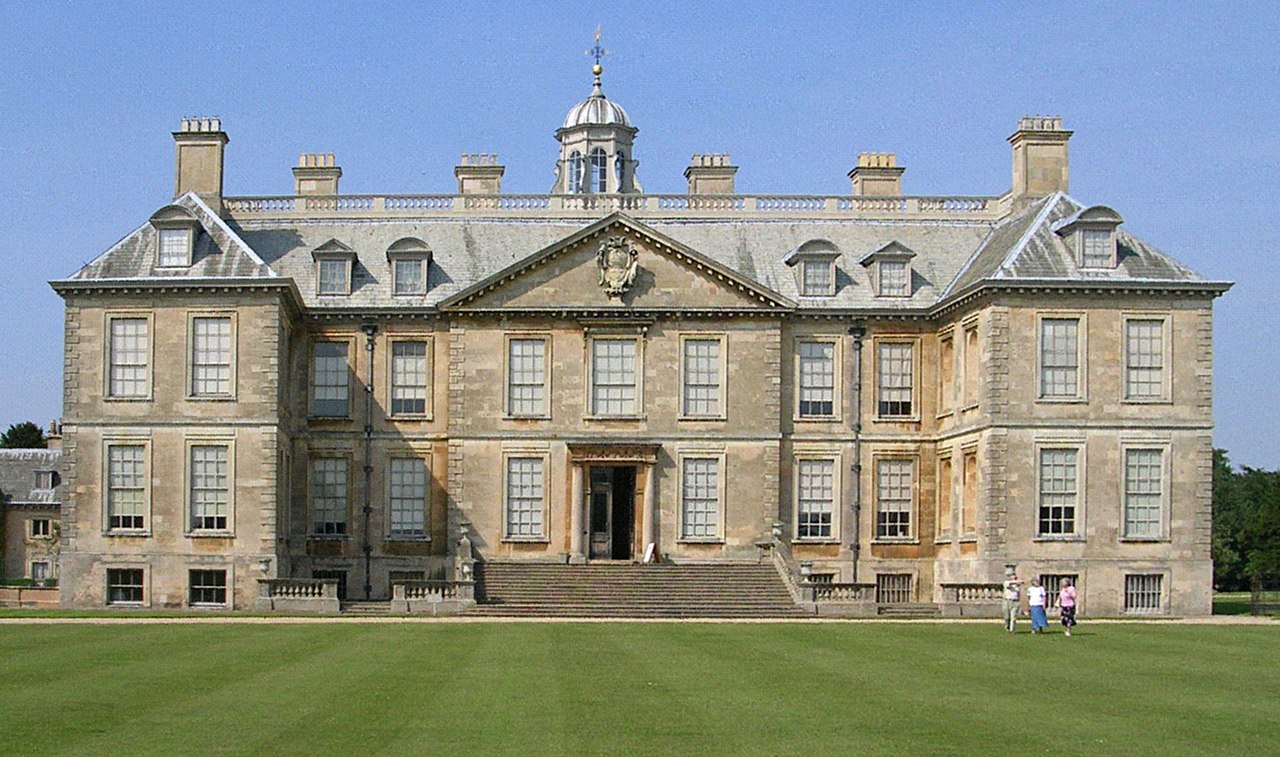


Geography and landscapes
Lincolnshire covers a varied landscape: the salt marshes and estuaries of the North Sea coast, the reclaimed wetlands known as the Fens, and the Lincolnshire Wolds — a range of low chalk hills. Much of the county is flat or gently undulating, which has favoured large-scale arable farming and market gardening. The Wash, a shallow bay to the north, influences coastal ecology and tidal patterns.
Borders and administrative divisions
The county shares boundaries with several counties. Neighbouring counties include:
- Norfolk
- Cambridgeshire
- Rutland
- Leicestershire
- Nottinghamshire
- South Yorkshire
- East Riding of Yorkshire
- Northamptonshire (a very short boundary)
Modern local government divides the historic county between a two-tier shire county and several unitary authorities along the coast and in the north, reflecting changes to administration over the 20th and 21st centuries.
History and heritage
Lincolnshire has long human occupation from prehistoric times through Roman, Anglo-Saxon and medieval periods. The city of Lincoln developed as a Roman town and later became an ecclesiastical and commercial centre. Agriculture, market towns and maritime activities shaped social and economic life; the county also saw industrial and military developments, including aviation and wartime air bases in the 20th century.
Economy, transport and culture
Agriculture remains a dominant economic activity, with large arable farms, horticulture and food processing. There are also manufacturing clusters, service industries and tourism centred on historic sites, coastline and nature reserves. Road and rail links connect Lincolnshire to major cities, while regional airports and airfields have supported both civilian and defence roles.
Places of interest and notable facts
- Lincoln Cathedral and Lincoln Castle in the county town.
- The Lincolnshire Wolds, designated an Area of Outstanding Natural Beauty.
- Extensive coastal habitats, bird reserves and parts of the Wash estuary.
- Strong agricultural identity, often represented in local festivals and markets.
For further reading and local resources see regional guides and official pages linked above. The county combines rural landscapes, historic towns and coastal environments, making it a distinct part of eastern England.
Related articles
Author
AlegsaOnline.com Lincolnshire (county in eastern England) Leandro Alegsa
URL: https://en.alegsaonline.com/art/58191