
Lindau (district) — rural district in Swabia, Bavaria
Lindau is a rural district in Swabia in southwest Bavaria, Germany. It borders Baden-Württemberg and Austria, lies on Lake Constance and centres on the historic town of Lindau, a local hub for tourism and cross-border links.
Lindau (district) (Landkreis Lindau) is a rural district in the administrative region of Swabia within southwestern Bavaria, Germany. The district is oriented around the historic town of Lindau, which serves as its administrative centre and as a focal point for culture and tourism. Its position on the eastern shore of Lake Constance gives the district a distinctive cross-border character and strong links with neighbouring regions.
Image gallery
3 Images
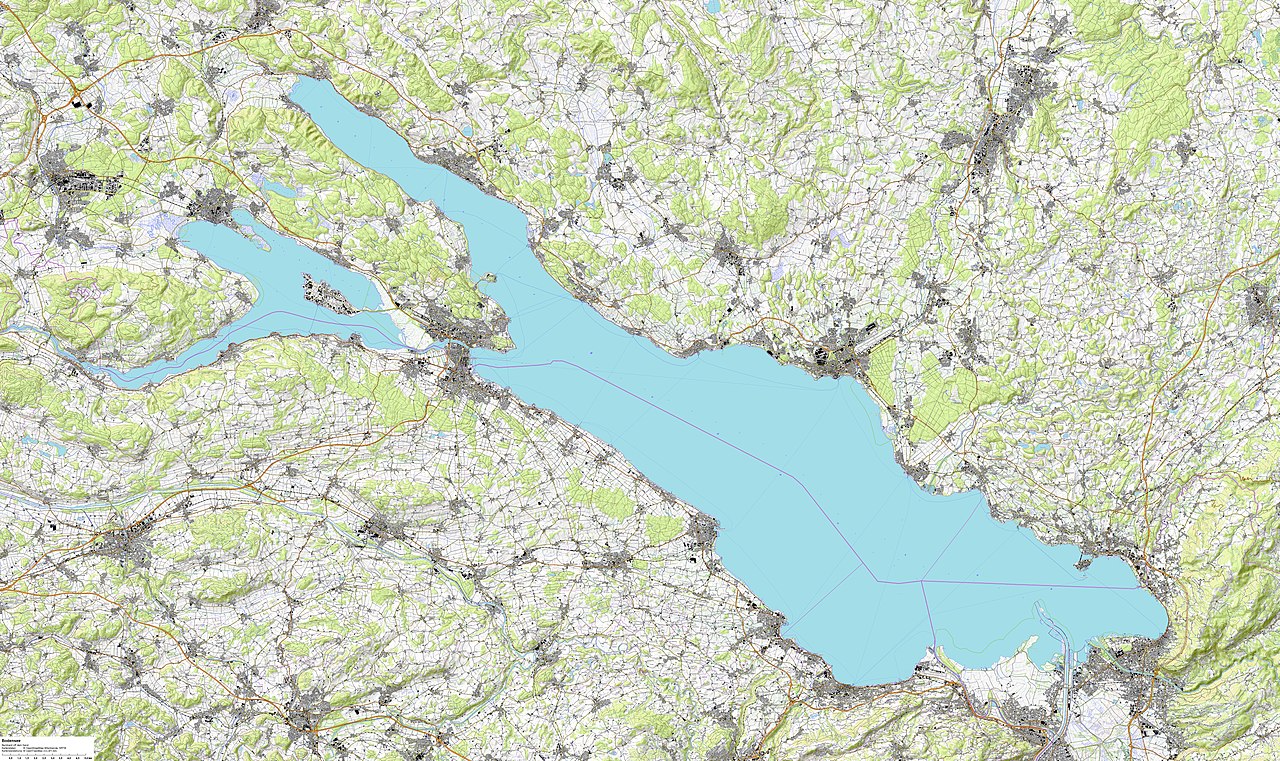
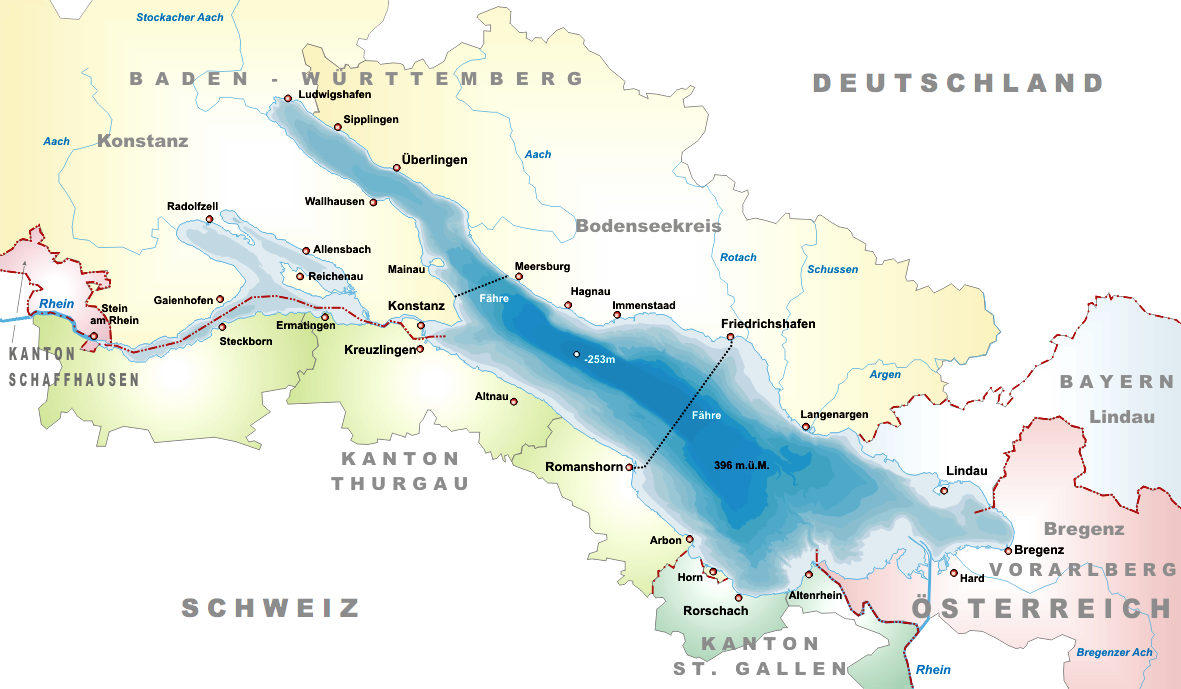
Geography
The district occupies a narrow band of lakeshore and pre-Alpine foothills. Landscapes range from lakeside promenades and reedbeds to agricultural plains and wooded slopes that lead toward the Allgäu foothills. The lake moderates local climate, producing relatively mild winters and a long season for outdoor tourism. Several locally important streams and small rivers flow into the lake, and parts of the district are included in broader conservation zones linked to the Lake Constance ecosystem.
Neighbours and cross-border links
Lindau lies at a junction of federal states and international borders. Neighbouring German districts include Oberallgäu in Bavaria and, across the state boundary in Baden-Württemberg, the districts of Ravensburg and the Bodensee district. To the south the district faces the Austrian state of Vorarlberg across the lake. These proximities encourage cross-border commuting, business ties and cooperative arrangements in tourism, transport and environmental protection.
Administrative structure and communities
The rural district is made up of the administrative seat in the town of Lindau and a number of smaller towns and municipalities. Local government responsibilities include regional planning, schools, social services and road maintenance. Municipal identity is strong, with many communities emphasising local traditions, market days and seasonal festivals that attract visitors from the wider Lake Constance region.
Economy and tourism
The local economy is diverse and oriented toward services, tourism, light industry and agriculture. Lake-related tourism—boat excursions, waterfront promenades, water sports and historic architecture in the island town—constitutes an important seasonal draw. Agriculture and small-scale manufacturing support inland communities, while hospitality and retail businesses cluster around transport hubs and tourist centres.
Transport
Lindau benefits from road and rail links connecting southern Germany with Austria and Switzerland. Ferry and boat services on Lake Constance add waterways connections and recreational routes. Transport infrastructure supports both everyday commuting and international tourism, and local authorities cooperate with neighbouring districts to improve cross-border mobility.
Culture, nature and conservation
The district combines cultural heritage—medieval town centres, churches and museums—with natural attractions such as lakeshore habitats and wooded hills. Conservation efforts focus on balancing tourism with the protection of shoreline ecosystems and scenic landscapes. Regional events and museums cultivate the area's historic links to lake trade and Alpine culture.
For official and visitor information consult the district entry and regional portals: administrative pages for Lindau (district), overviews for Swabia, state information for Bavaria, local tourism guides around Lake Constance and municipal sites for the town of Lindau. Additional regional coordination and cross-border initiatives are described in resources for Baden-Württemberg and neighbouring districts such as Baden-Württemberg and Ravensburg, and in cooperative frameworks with Vorarlberg.
Questions and answers
Q: What is Lindau (district)?
A: Lindau (district) is a rural district located in Swabia in southwest Bavaria, Germany.
Q: Which districts neighbor Lindau (district)?
A: The neighboring districts of Lindau (district) are Oberallgäu and in Baden-Württemberg: Ravensburg (district) and the Bodensee (district).
Q: What are the geographical features located to the south of Lindau (district)?
A: The Austrian state Vorarlberg and Lake Constance are located to the south of Lindau (district).
Q: What is the capital of Lindau (district)?
A: Lindau is the capital of Lindau (district).
Q: Is Lindau (district) an urban or rural district?
A: Lindau (district) is a rural district.
Q: In which region of Germany is Swabia located?
A: Swabia is located in southwest Bavaria, Germany.
Q: Can you name the two neighboring districts in Baden-Württemberg?
A: The two neighboring districts in Baden-Württemberg are Ravensburg (district) and the Bodensee (district).
Related articles
Author
AlegsaOnline.com Lindau (district) — rural district in Swabia, Bavaria Leandro Alegsa
URL: https://en.alegsaonline.com/art/58207