
Acacia — genus of shrubs and trees in the legume family
Acacia is a diverse genus of leguminous shrubs and trees known for their yellow flower clusters, phyllodes in many Australian species, ecological roles, and uses in timber, gum and ornamentals.
Overview
Acacia is a group of woody plants that includes both shrubs and trees and belongs to the legume family, traditionally placed in the subfamily Mimosoideae of Fabaceae. Members of the genus occur across warm and temperate regions worldwide, with large radiations in Australia and substantial representation in Africa and the Americas. Many species are commonly known as wattles (Australia) or acacias.
Image gallery
9 Images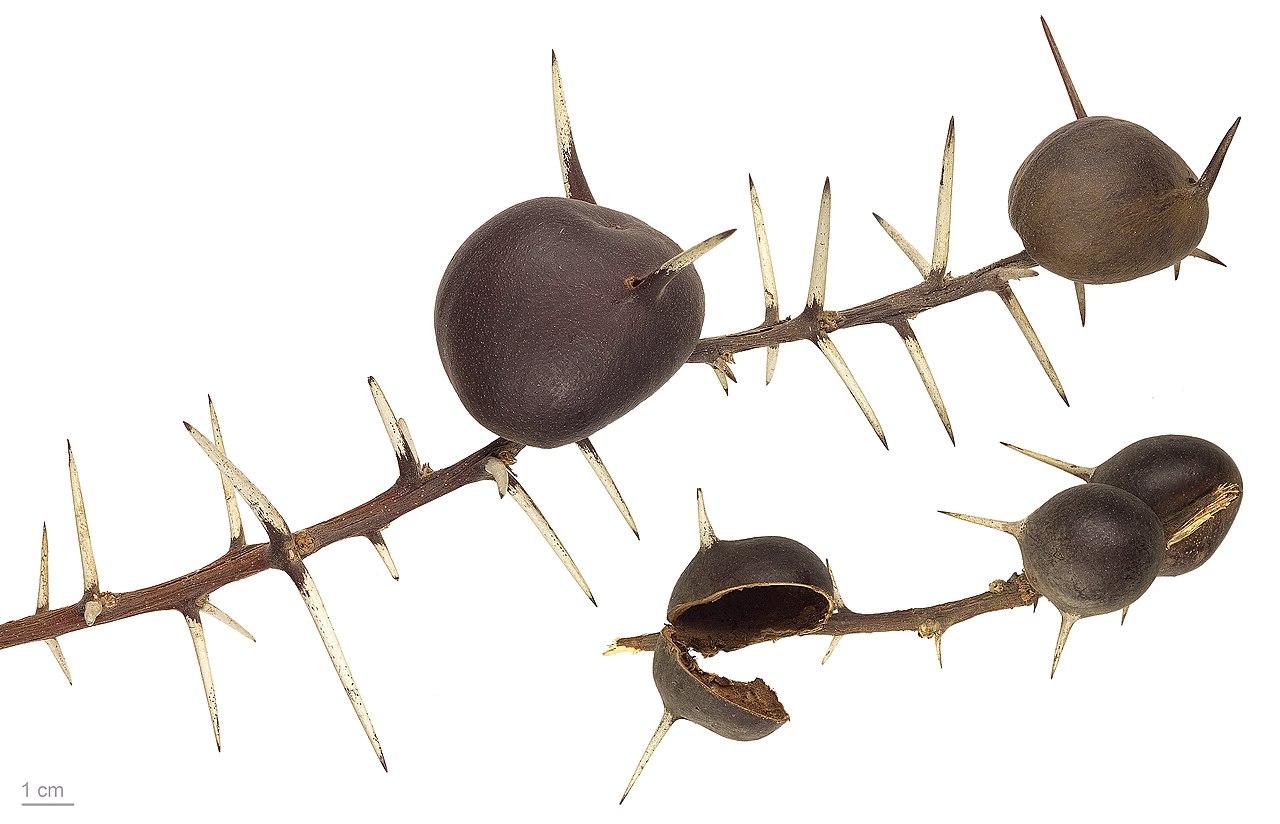




Physical characteristics
Acacias vary from low, thorny shrubs to tall rainforest trees. Common features include compound or modified leaves, distinctive inflorescences, and legume-type seed pods. In many Australian species, true leaflets are replaced by flattened leaf stems called phyllodes, which perform photosynthesis and reduce water loss. Flowers tend to be small and densely clustered into spherical or cylindrical groups, typically yellow or cream, producing conspicuous displays in spring.
- Leaves: bipinnate leaves or phyllodes
- Flowers: dense clusters of tiny florets, often yellow
- Fruit: pods containing hard-coated seeds
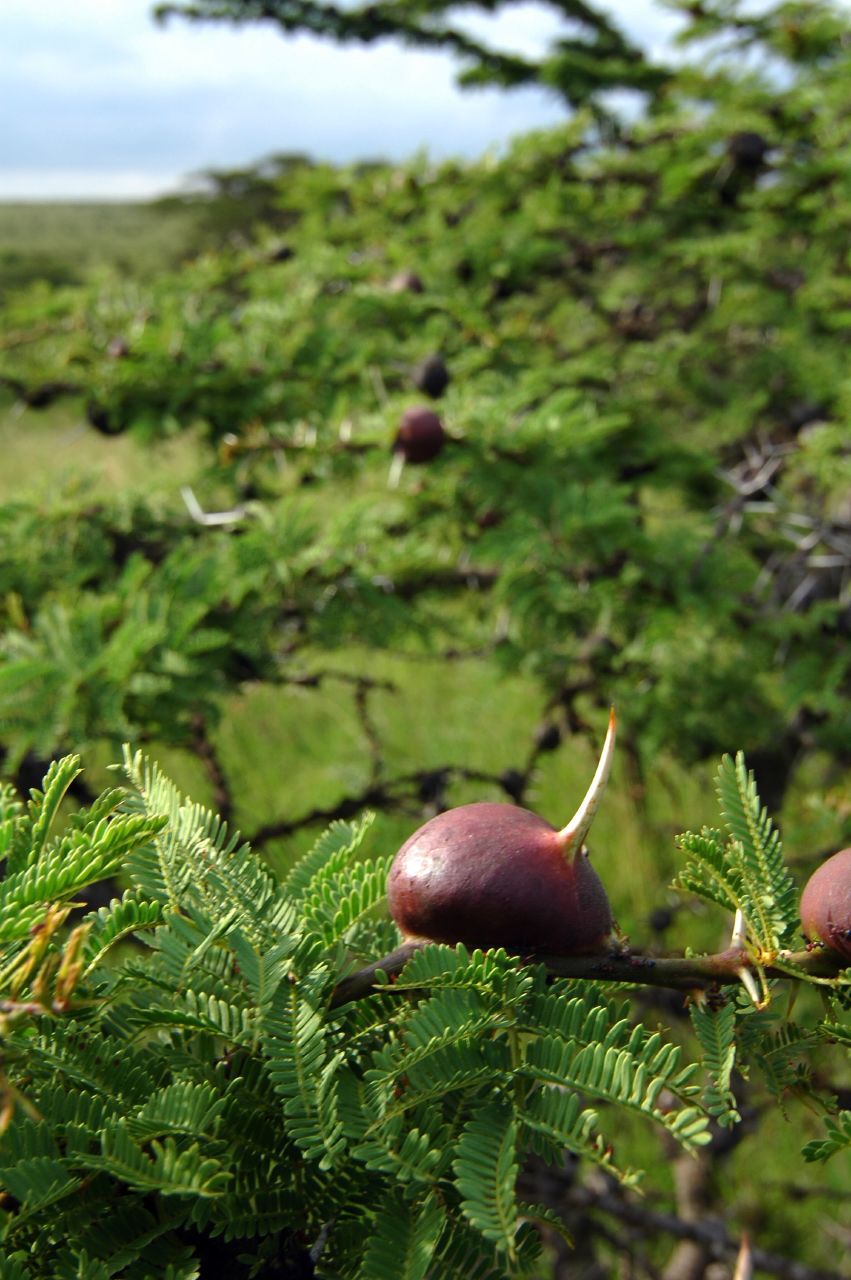
- Defenses: many non-Australian species bear spines or prickles
Taxonomy and history
The name and early botanical descriptions of Acacia date to the 18th century, based on specimens from Africa and other regions; prominent early botanists, including Carl Linnaeus, contributed to the genus’ circumscription. Modern studies of morphology and genetics have led to taxonomic revisions: several groups formerly placed in Acacia have been reassigned to related genera (for example, Vachellia and Senegalia), while many Australian species remain under Acacia. The complex reclassification reflects the genus’ wide diversity and evolutionary history.
Uses and cultural importance
Various species are important to people and ecosystems. Some are cultivated as ornamentals or for rapid shade and erosion control; others provide durable timber, tannins, nectar for bees, and edible seeds or gums. Notable examples include Acacia senegal, a source of gum arabic used in food and industry, and several wattles prized for timber and flowers. Indigenous cultures have long used Acacia for food, tools and medicine.
Ecology, management and notable facts
Acacias are often pioneer species that improve soil fertility through nitrogen fixation and can stabilize degraded landscapes. At the same time, several species have become invasive outside their native ranges, competing with local vegetation and altering fire regimes. Many acacias form relationships with pollinators, ants, and nitrogen-fixing bacteria. For regional information and conservation guidelines see resources on Africa, Swedish botanical records, and specialist botanist treatments; broader taxonomic summaries are available via sources indexed at regional flora and legume databases.
For introductory keys, species lists and cultivation advice consult horticultural guides and floras that cover local Acacia diversity and management practices (tree care), ecological assessments (subfamily treatments) and ethnobotanical studies (historic accounts).
Related articles
Author
AlegsaOnline.com Acacia — genus of shrubs and trees in the legume family Leandro Alegsa
URL: https://en.alegsaonline.com/art/567
Sources
- species.wikimedia.org : Acacia
- pfaf.org : Plants for a Future Database
- nature.com : "Evolutionary change from induced to constitutive expression of an indirect plant resistance : Abstract : Nature"