
Mimosoideae (mimosoids): the mimosa subfamily of legumes
Mimosoideae (mimosoids) are a group of leguminous plants notable for clustered flowers with many stamens. They include Acacia, Mimosa and Albizia and are important ecologically and economically.
Overview
Mimosoideae, commonly called mimosoids, is a group within the legume family often recognized by their clustered, showy flowers and compound leaves. Traditionally treated as a distinct subfamily or, in older systems, as the separate family Mimosaceae, these plants are most familiar as trees and shrubs such as Acacia, Mimosa and Albizia. They occur mainly in tropical and subtropical regions and play important roles in natural and managed ecosystems.
Image gallery
3 Images
Key characteristics
Members share a set of botanical traits that distinguish them from other legumes. Typical features include:
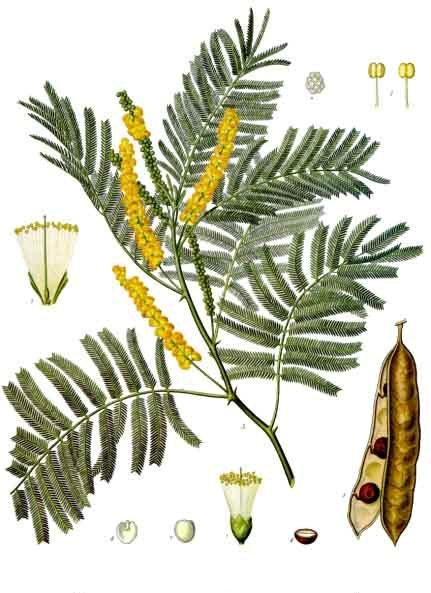
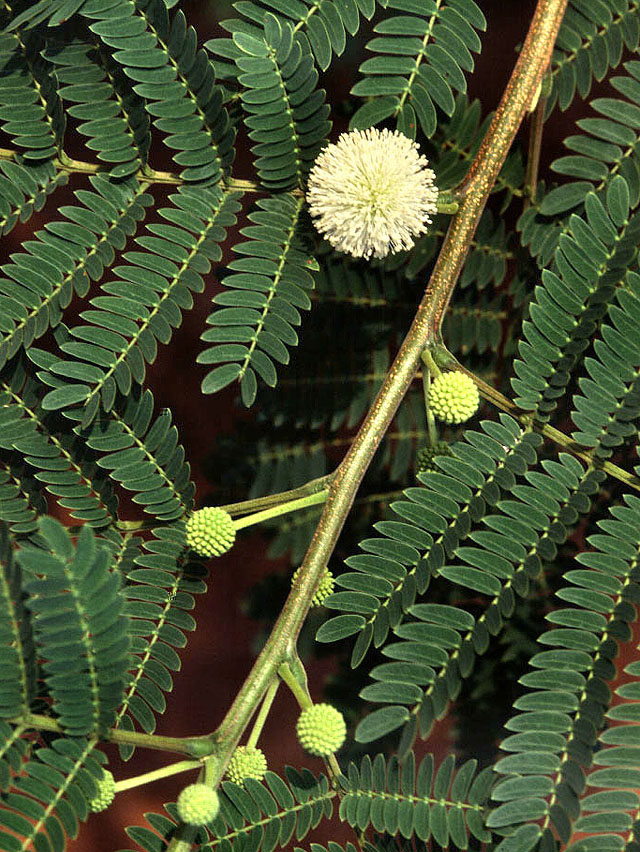
- Inflorescences that form dense heads or spikes with many small flowers producing a conspicuous mass of stamens.
- Petals that are relatively small or reduced, with the stamens often the most visually prominent floral part.
- Leaves that are usually pinnate or bipinnate and may fold in response to touch or darkness (nyctinasty).
- Many species form symbiotic relationships with nitrogen-fixing bacteria, improving soil fertility.
Distribution and diversity
Mimosoids are most diverse in warm climates, from dry savannas to humid forests. The group contains many genera and several thousand species distributed worldwide in suitable climates. Well-known genera include Acacia (several segregate genera in modern treatments), Mimosa, Albizia and Calliandra, each represented by species used for timber, shade, soil improvement and ornament.
Uses and ecological importance
These plants are widely used in agroforestry and land restoration because their nitrogen-fixing ability improves poor soils. They supply timber, fuelwood, fodder and flowers that attract pollinators. Some species are valued ornamentals for their delicate foliage and dramatic blossom displays, while others have become invasive outside their native range and can alter local habitats.
Classification and history
Historically, some botanical systems elevated the group to family rank as Mimosaceae. More recent treatments place mimosoids within the broader legume family; differing approaches reflect advances in molecular phylogenetics and changing concepts of subfamilies. For a general family overview see Fabaceae, and for discussion of classification systems see taxonomic treatments. Floral structure is described in many sources under flower morphology, with emphasis on reduced petals and numerous stamens.
Notable distinctions
What often separates mimosoids from other legumes is the form of their flowers: instead of a single banner-and-wing arrangement, they present many small petals (often inconspicuous) while the stamens form the showy element. Their leaves and movement (folding) are also characteristic. Understanding these traits helps in identifying members of the group both in the field and in horticulture.
Related articles
Author
AlegsaOnline.com Mimosoideae (mimosoids): the mimosa subfamily of legumes Leandro Alegsa
URL: https://en.alegsaonline.com/art/65128