
Carl Linnaeus: Architect of Binomial Nomenclature and Modern Taxonomy
Swedish naturalist Carl Linnaeus (1707–1778) created the binomial naming system and a ranked classification that became the foundation of modern biological nomenclature and cataloguing.
Overview
Carl Linnaeus (1707–1778) was a Swedish scientist whose work created the standard method for naming and arranging living organisms. Trained in botany and practicing as a physician, he also studied animals as a zoologist. Linnaeus introduced the two‑word system of scientific names, commonly called binomial nomenclature, which assigns every animal and plant a name in Latin composed of a genus and a species epithet. This concise format made it practical to catalogue collections, exchange information internationally and reduce ambiguity.
Image gallery
10 Images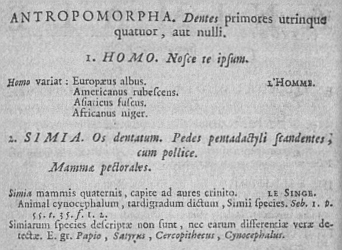


Major works and principles
Linnaeus published influential reference works that summarized and organised known species. His Species Plantarum and editions of Systema Naturae set conventions for describing and grouping organisms. These books established a ranked hierarchy of categories such as kingdom, class, order, genus and species, and promoted the consistent use of diagnostic characters to delimit taxa. The 1753 Species Plantarum and the 1758 edition of Systema Naturae are widely cited as starting points for modern botanical and zoological nomenclature respectively.
Practice, teaching and influence
Working at Uppsala University, Linnaeus taught students, led field excursions and assembled a large herbarium and museum. He trained many collectors and correspondents who spread his system across Europe and to colonial naturalists. The Swedish crown ennobled him; he became widely known by the Latinized form of his name and is often called the father of modern taxonomy. He was also an accomplished linguist, which aided his use of classical languages for scientific names.
Legacy and modern context
Linnaean names remain the backbone of naming in biology: binomials like Homo sapiens illustrate how a genus name followed by a species epithet provides a stable label. Modern taxonomy, however, has incorporated evolutionary theory and genetic evidence to infer relationships; ranks and groupings are now interpreted with phylogenetic methods. Nonetheless, rules and practices developed from Linnaeus’s work — including the use of type specimens and standard author citations (for example, the abbreviation "L." for Linnaeus in botanical names) — continue to shape how organisms are named and recorded.
Criticism, revision and continued relevance
Some aspects of Linnaeus’s classifications reflect the pre‑evolutionary understanding of his time and have been revised as new data emerged. Taxonomists today aim to make classifications reflect common ancestry while retaining the practical stability of Linnaean names. His system’s emphasis on clear description, consistent terminology and international communication remains central to biology, conservation, agriculture and many applied fields.
Further reading
- General histories of taxonomy and introductions to the codes of nomenclature explain how Linnaean practice was formalised and amended.
- Museum and herbarium catalogues show the continuing importance of type specimens and historical collections.
- Biographical and institutional studies describe his life at Uppsala, his students and the global network that propagated his methods.
Related topics and resource entry points: botany, medicine, zoology, naming conventions (binomial nomenclature), examples of animal and plant names, use of Latin forms, and the biological concepts of genus and species.
Questions and answers
Q: Who was Carl Linnaeus?
A: Carl Linnaeus was a Swedish botanist, physician, and zoologist who created the binomial nomenclature.
Q: What is binomial nomenclature?
A: Binomial nomenclature is a system developed by Carl Linnaeus where every kind of animal and plant is given a name consisting of two Latin words, for its genus and species.
Q: How did Carl Linnaeus contribute to modern taxonomy?
A: Carl Linnaeus is known as the "father of modern taxonomy" because he developed the binomial nomenclature system that is still used by biologists all over the world.
Q: Was Carl Linnaeus famous during his lifetime?
A: Yes, Carl Linnaeus was famous during his lifetime because he was a good linguist and made significant contributions to the field of biology.
Q: Did Carl Linnaeus receive any honors during his lifetime?
A: Yes, Carl Linnaeus was made a noble by the Swedish king.
Q: What is the significance of Carl Linnaeus's contributions to science?
A: Carl Linnaeus's contributions to science, particularly his development of the binomial nomenclature system, helped to standardize the naming of plants and animals and are still used today.
Q: When was Carl Linnaeus born and when did he die?
A: Carl Linnaeus was born on May 23, 1707, and he died on January 10, 1778.
Related articles
Author
AlegsaOnline.com Carl Linnaeus: Architect of Binomial Nomenclature and Modern Taxonomy Leandro Alegsa
URL: https://en.alegsaonline.com/art/115992
Sources
- linnaeus.uu.se : Uppsala University, Linné Online
- wikidata.orgQ1043.html : wikidata.orgq1043.html
- authority.bibsys.no : 90052213
- bncatalogo.cl : 000180725
- catalogo.bne.es : XX847999
- catalogue.bnf.fr : cb130917536
- data.bnf.fr : (data)
- ipni.org : L.
- cantic.bnc.cat : a1937771x
- ci.nii.ac.jp : DA01901178
- d-nb.info : 118573349
- isni.org : 0000 0001 2127 4957
- kulturnav.org : 2ccdc557-c2b0-4108-bc1d-d3c58eb0e8fe
- id.loc.gov : n79109333
- kopkatalogs.lv : 000059941