
Lake Manasarovar (Mapham Yutso): Sacred high‑altitude lake of Tibet
Lake Manasarovar is a high‑altitude freshwater lake on the Tibetan Plateau, sacred to Hindu, Buddhist, Jain and Bon traditions, noted for its proximity to Mount Kailash and links with the Indus river system.
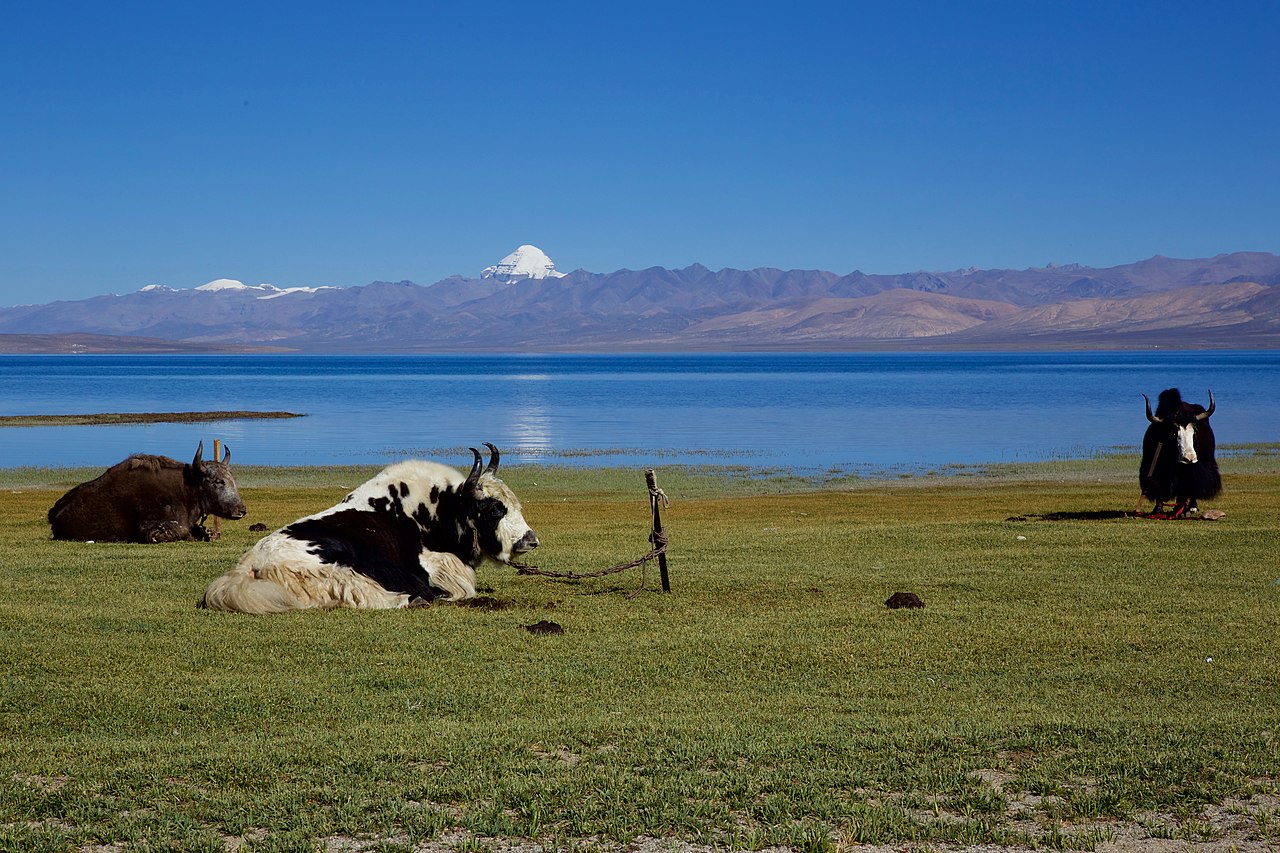
Lake Manasarovar, called Mapham Yutso in Tibetan and known in Chinese in both simplified and traditional forms, is a high‑altitude freshwater lake on the central Tibetan Plateau. It lies close to the sacred peak Mount Kailash and is one of the most venerated bodies of water in the region. The lake is traditionally associated with creation myths and with the headwaters of river systems that flow into South Asia.
Image gallery
10 Images


Geography and hydrology
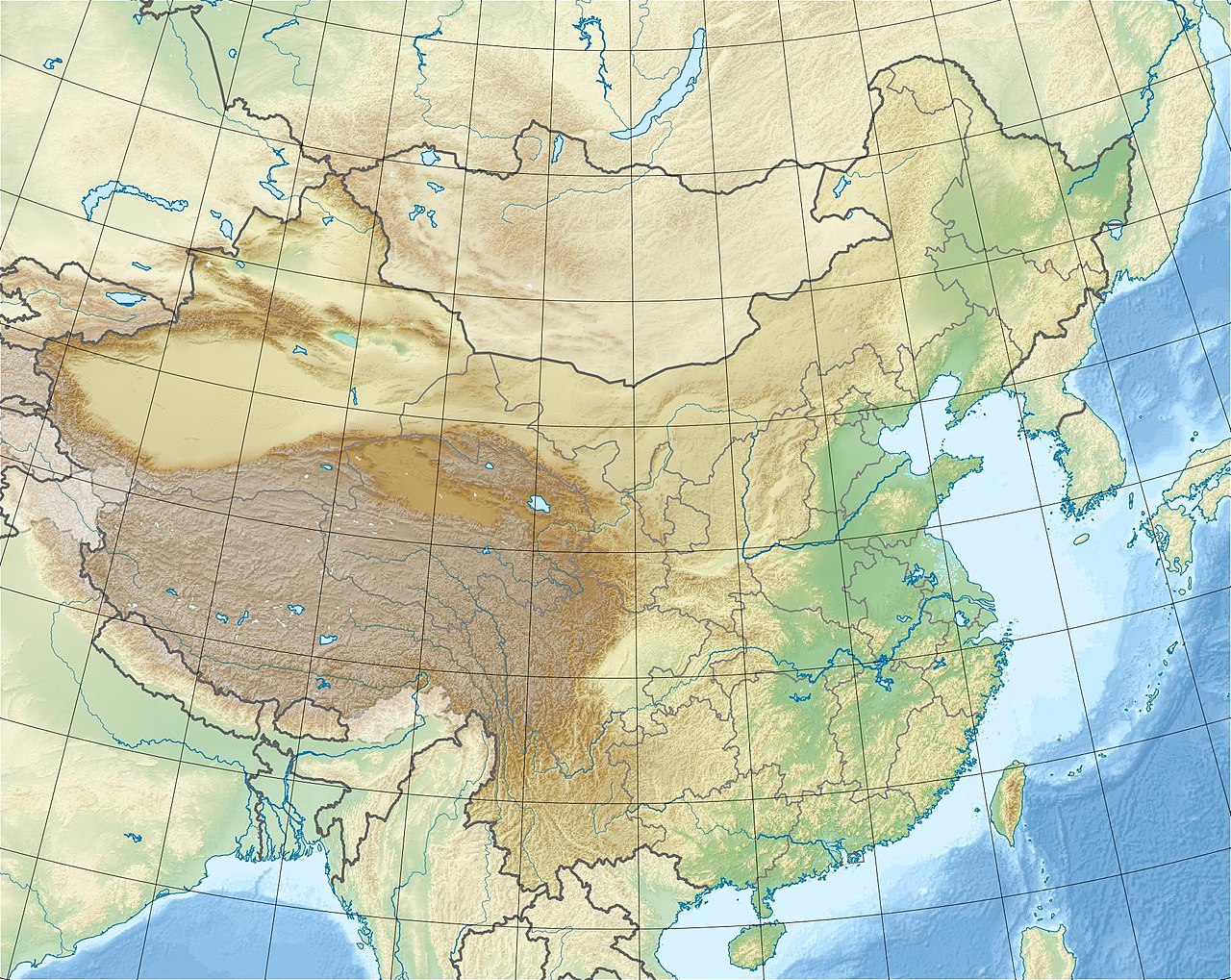
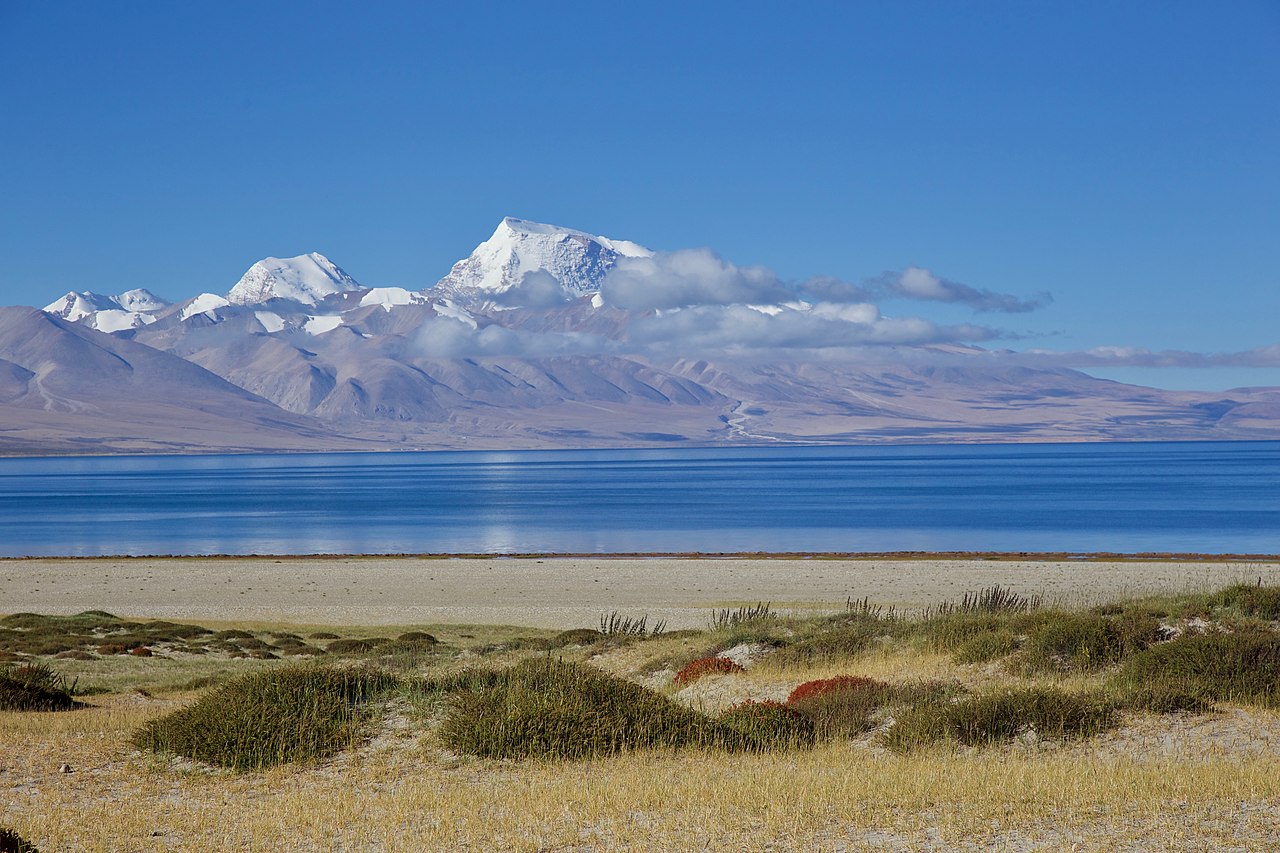
Manasarovar sits at high elevation above 4,500 metres and is supplied by glacial streams, snowmelt and precipitation typical of the trans‑Himalayan zone. It is relatively fresh compared with nearby basins and lies near the saline Rakshastal. Water from the wider area contributes to rivers that run westward and southward; in regional tradition these waters connect to the Indus or Sindhu system, which ultimately reaches the Arabian Sea. Readers seeking general measurements or conversions can refer to sources on distance measures and miles and kilometers for context.
Cultural and religious significance
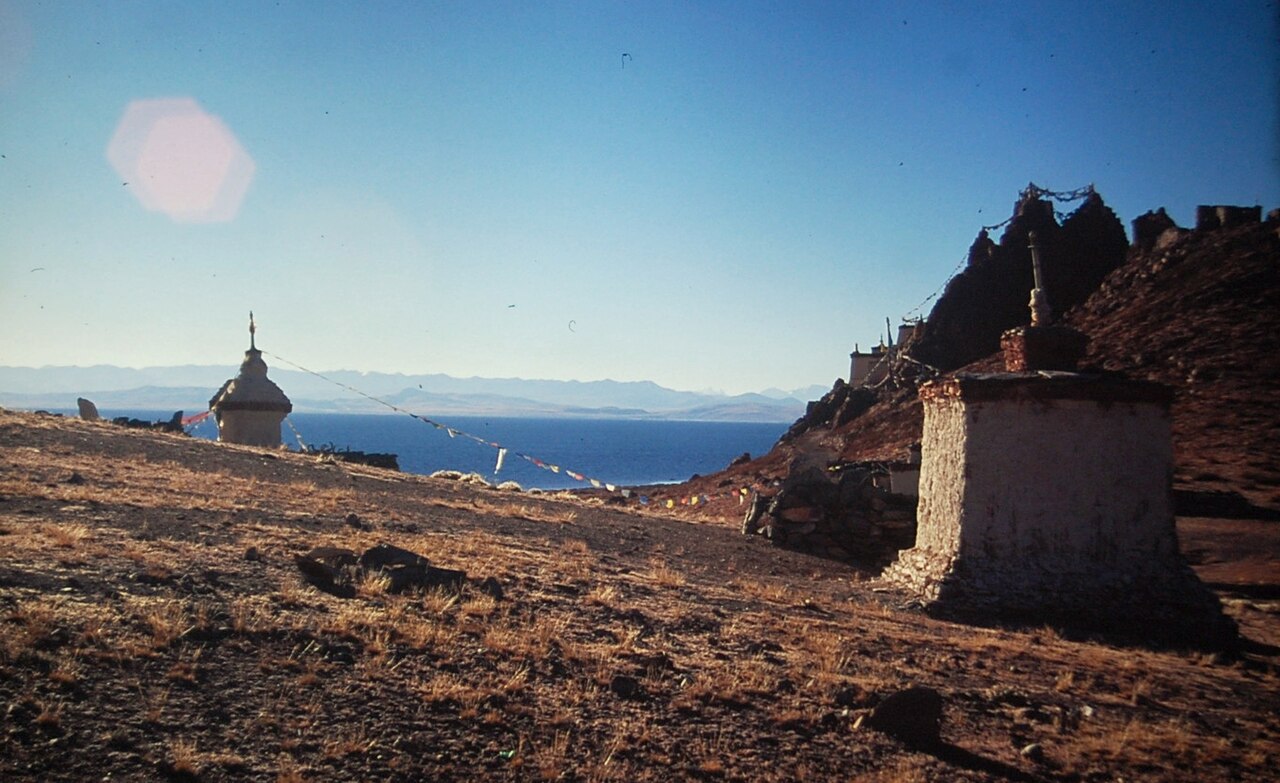
Manasarovar is sacred in several religious traditions. Hindus regard the lake as associated with heavenly waters and with myths of creation; many perform ritual bathing in the belief that it cleanses sins. Buddhists, Jains and practitioners of the indigenous Bon faith also revere the lake and the nearby Mount Kailash. Pilgrims commonly undertake circumambulation (parikrama) of the mountain and the lake shore as part of multi‑day spiritual journeys. The site is frequently described in pilgrimage guides and religious literature across South and Central Asia.
Access, pilgrimage and tourism
Visits to Manasarovar are seasonal and depend on weather, road access and regional regulations administered within the Tibet Autonomous Region. The nearest regional hubs used by travellers and pilgrims include established towns and the historical administrative center of Lhasa. Pilgrimage circuits typically combine lake rites with circumambulation of Mount Kailash; journeys can be physically demanding because of altitude and terrain.
Ecology and conservation
The high plateau environment around Manasarovar supports a limited but distinctive assemblage of alpine flora and fauna adapted to cold, dry conditions. Because of its religious importance, visitor use is both culturally sensitive and ecologically consequential. Authorities and conservation groups have emphasized managing visitor impacts, protecting water quality and coordinating pilgrimage practices with conservation measures to preserve the lake and its surroundings.
Notable facts
- Manasarovar is among the most venerated freshwater lakes on the Tibetan Plateau and is often paired in descriptions with the adjacent Rakshastal.
- It occupies an important place in multi‑religious pilgrimage traditions that draw visitors from across Asia.
- Regional hydrology links the lake area to larger river systems historically regarded as the headwaters of the Indus (Sindhu), with downstream connections to the Arabian Sea.
For introductory geographic, linguistic and travel information, consult general entries and guides that use local names, regional maps and measurement references such as hydrology and lake types and the Chinese name entries noted above.
Related articles
Author
AlegsaOnline.com Lake Manasarovar (Mapham Yutso): Sacred high‑altitude lake of Tibet Leandro Alegsa
URL: https://en.alegsaonline.com/art/55524