
Laboratory glassware: types, materials, uses, and safety
Overview of common laboratory glassware, their materials and properties, principal uses in chemistry and biology, brief history, and practical handling and safety considerations.
Overview
Laboratory glassware comprises a wide range of vessels and tools made from glass and used to conduct, contain, measure or observe scientific work in fields such as chemistry and biology. Many items have direct analogues manufactured from plastics; choice of material depends on chemical compatibility, thermal demands, precision and cost. Glass remains essential where optical clarity, heat resistance and inert surfaces are required, especially in professional laboratory settings.
Image gallery
10 Images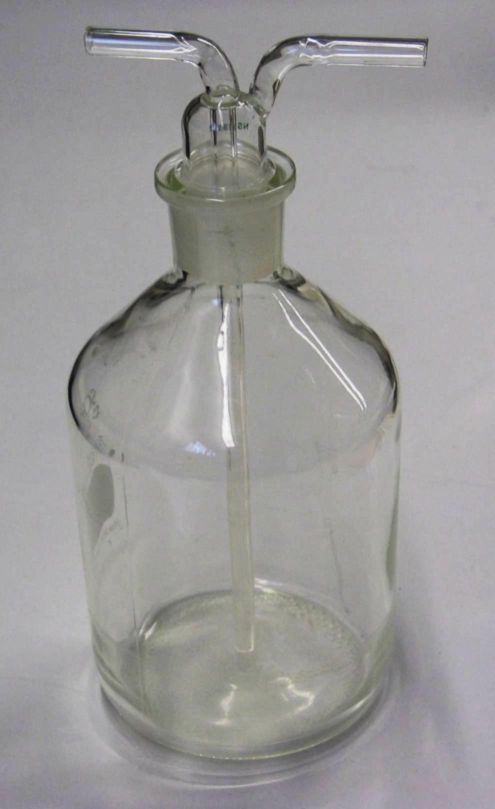


Materials and key properties
Laboratory-grade glass is selected for chemical resistance, low thermal expansion, and optical clarity. Common categories include borosilicate glass (noted for thermal shock resistance), soda-lime glass for inexpensive items, and specialty fused silica for extreme heat or optical work. Glass can be calibrated for volumetric accuracy, polished or ground to form tight joints, and repeatedly sterilized. By contrast, plasticware is lighter, often disposable, and chemically limited.
Common types and components
Typical pieces found in many labs include:
- Test tubes — simple reaction or storage tubes.
- Beakers and flasks (Erlenmeyer, round-bottom, volumetric) — mixing, heating and precise volume measurement.
- Pipettes and burettes — liquid transfer and titration.
- Petri dishes and culture tubes — growth and observation of biological samples.
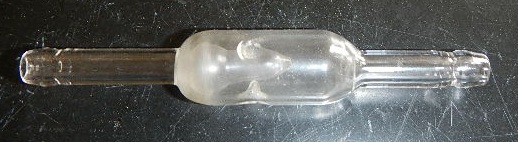
- Condensers, funnels, cuvettes and crucibles — used in distillation, filtration, spectrophotometry and high-temperature work.
History and development
Glassware for scientific use developed alongside advances in glassmaking. In the 19th century, innovations produced low-expansion glass types suited to heating and laboratory manipulation; thereafter standardized designs, calibrated volumetric glassware and ground-glass joints became widespread. Over the 20th century, some applications shifted to engineered plastics, but glass remains preferred where reusability, temperature tolerance and optical properties matter.
Uses, examples and importance
Glassware is central to routine laboratory techniques: measuring and dispensing reagents, preparing solutions, culturing organisms, running reactions and conducting separations. Examples include titrations with burettes, sterile plating on petri dishes, spectrophotometric analysis in cuvettes, and controlled distillations using glass condensers. Many experiments depend on the predictable behavior and cleanliness of glass surfaces when performing a chemical reaction.
Handling, maintenance and distinctions
Safe use requires attention to cleaning, inspection for cracks, proper heating techniques and correct labeling. Ground-glass joints and stoppers improve sealing but demand lubrication or careful assembly. Users must weigh trade-offs between reusable glass and disposable plastic: glass offers superior heat and solvent resistance, while plastics reduce breakage risk and contamination for low-cost, single-use workflows. For more detailed practical guides, see resources on laboratory techniques and equipment maintenance (chemistry, biology, laboratories).
Related articles
Author
AlegsaOnline.com Laboratory glassware: types, materials, uses, and safety Leandro Alegsa
URL: https://en.alegsaonline.com/art/55218