
Laboratory techniques: principles, common methods, and safe practice
Overview of laboratory techniques: core skills, common procedures, safety practices, historical development, and applications across scientific disciplines.
Overview
Laboratory techniques are the practical methods and skills used to handle equipment, prepare samples, perform measurements, and record results in scientific work. They form the foundation of experimental science by ensuring procedures are repeatable, results are reliable, and investigations obey accepted standards. Techniques vary by discipline—chemistry, biology, physics, and clinical laboratories each emphasize different tools and workflows—but they share common principles of accuracy, contamination control, and documentation.
Image gallery
10 Images


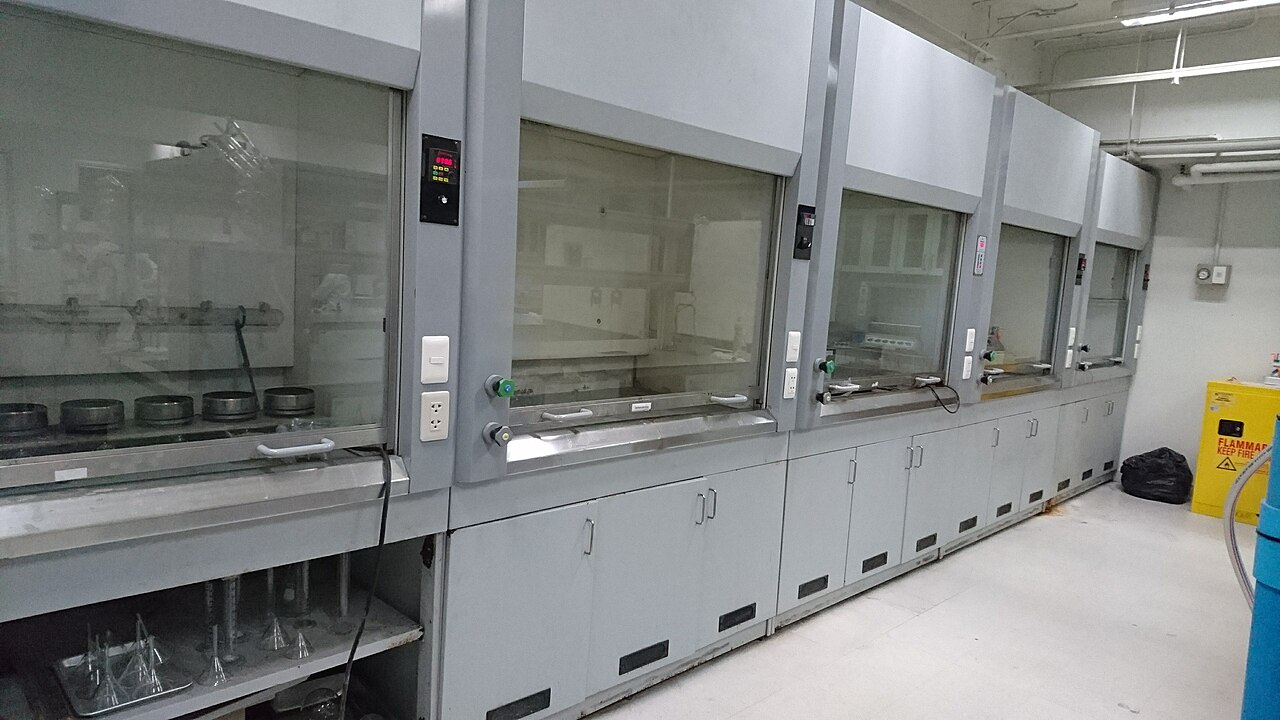


Core skills and apparatus handling
Core skills include accurate pipetting, weighing and measuring, preparing solutions, controlling temperature, and using glassware (beakers, flasks, burettes) and instruments (balanc es, pH meters, microscopes). Proper handling also covers calibration, cleaning, storage, and routine maintenance of equipment. Developing manual dexterity, steady timing, and careful observation is important for obtaining consistent results.
Common techniques
- Sample preparation: dilution, filtration, centrifugation, homogenization.
- Quantitative methods: titration, spectrophotometry, chromatography.
- Biological methods: aseptic technique, cell culture, staining, electrophoresis.
- Measurement and analysis: volumetric analysis, mass measurement, microscopy.
Safety, quality and documentation
Safe laboratory practice includes risk assessment, use of personal protective equipment, chemical and biological hazard controls, and proper waste disposal. Quality assurance relies on controls, blanks, standards, calibration records, and clear lab notebooks or electronic records. Recording conditions, lot numbers, and deviations helps others reproduce and evaluate work.
History and development
Many laboratory techniques evolved from artisanal chemistry and early natural history collections into standardized protocols during the 19th and 20th centuries, accompanying advances in instrumentation and statistical methods. Modern developments emphasize automation, miniaturization, and high-throughput methods, but basic manual techniques remain essential teaching tools and are widely used in everyday laboratory work.
Applications and notable distinctions
Laboratory techniques underpin research, diagnostics, quality control, and education. Distinctions arise between observational techniques (descriptive microscopy), analytical techniques (quantifying concentration), and preparative techniques (isolating compounds). Mastery of foundational techniques enables reliable interpretation of complex or automated methods and is critical for scientific integrity.
Related articles
Author
AlegsaOnline.com Laboratory techniques: principles, common methods, and safe practice Leandro Alegsa
URL: https://en.alegsaonline.com/art/55220