
Kingsnake (Lampropeltis): overview, behavior, and mimicry
Nonvenomous New World snakes in the genus Lampropeltis, noted for diverse coloration, ophiophagy (snake-eating), resistance to some venoms, and Batesian mimicry of coral snakes.
Overview
Kingsnakes are a group of nonvenomous snakes belonging to the genus Lampropeltis, part of the larger colubrid family. They are native primarily to North America and parts of Central America. Many populations are recognized as distinct subspecies or regional forms, and taxonomists differ about the exact number and limits of those groups; in some treatments the genus also includes milk snakes and several closely related species (see related species).
Image gallery
5 Images


Physical characteristics and identification
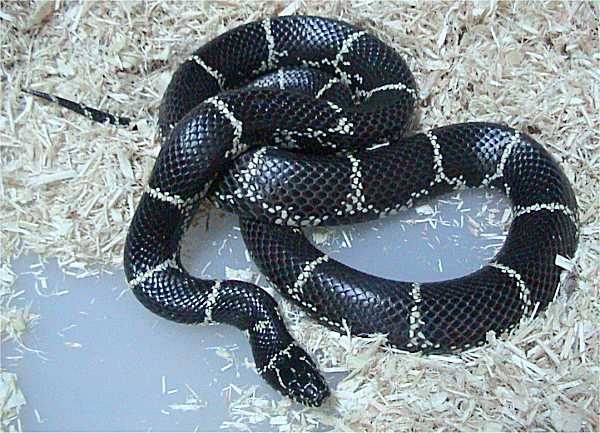
Kingsnakes vary considerably in size, pattern and coloration across species and subspecies. Common features include smooth, glossy scales and a muscular body adapted for constricting prey. Color patterns range from solid dark tones to striking bands or crossbars; in some regions banded kingsnakes closely resemble venomous coral snakes, a resemblance that affects predator behavior.
Diet, hunting and behavior
These snakes are opportunistic predators. Their diet typically includes lizards, rodents, birds and eggs, and many species are well known for eating other snakes (ophiophagy). Kingsnakes subdue prey by constriction and are active hunters that will enter burrows or crevices to pursue amphibians and small mammals. They are generally diurnal to crepuscular depending on local climate and species.
Mimicry, venom resistance and ecological role
Some kingsnake color patterns resemble the warning bands of coral snakes; this resemblance is regarded as an example of Batesian mimicry, where a harmless species copies the appearance of a dangerous one to deter predators. At the same time, many kingsnakes show a degree of resistance to the venoms of sympatric venomous snakes, allowing them to prey on rattlesnakes and other venomous species without succumbing to envenomation. This combination of mimicry and ophiophagy shapes their role as both predator and competitor in their ecosystems (coral snake mimicry).
Taxonomy, subspecies and variation
Classification within the genus has changed over time as morphological and genetic studies refine relationships. Some authorities split populations into multiple subspecies or even separate species, while others prefer broader species limits. Field guides and regional faunas often follow differing conventions; for summaries and naming conventions consult regional herpetological references or databases (subspecies and classification).
Interactions with people and conservation
Kingsnakes are frequently encountered by people because of their adaptability and sometimes live near human habitations where food is available. They are popular in the pet trade for their attractive patterns and generally docile temperaments. Populations face localized threats such as habitat loss, road mortality and collection, but many taxa remain common. Responsible practices—such as habitat protection, avoiding unnecessary collection, and accurate identification to reduce persecution—help conserve wild populations.
Further reading and resources
Related articles
Author
AlegsaOnline.com Kingsnake (Lampropeltis): overview, behavior, and mimicry Leandro Alegsa
URL: https://en.alegsaonline.com/art/53658
Sources
- commons.wikimedia.org : Lampropeltis
- fossilworks.org : "Fossilworks: Lampropeltis"
- journals.uchicago.edu : journals.uchicago.edu/doi/10.1086/657041