
Koi (Nishikigoi): Ornamental varieties of common carp
Koi are selectively bred, brightly patterned varieties of common carp kept in outdoor ponds. This article explains their appearance, history, major varieties, care, cultural importance, and regulatory issues.
Overview
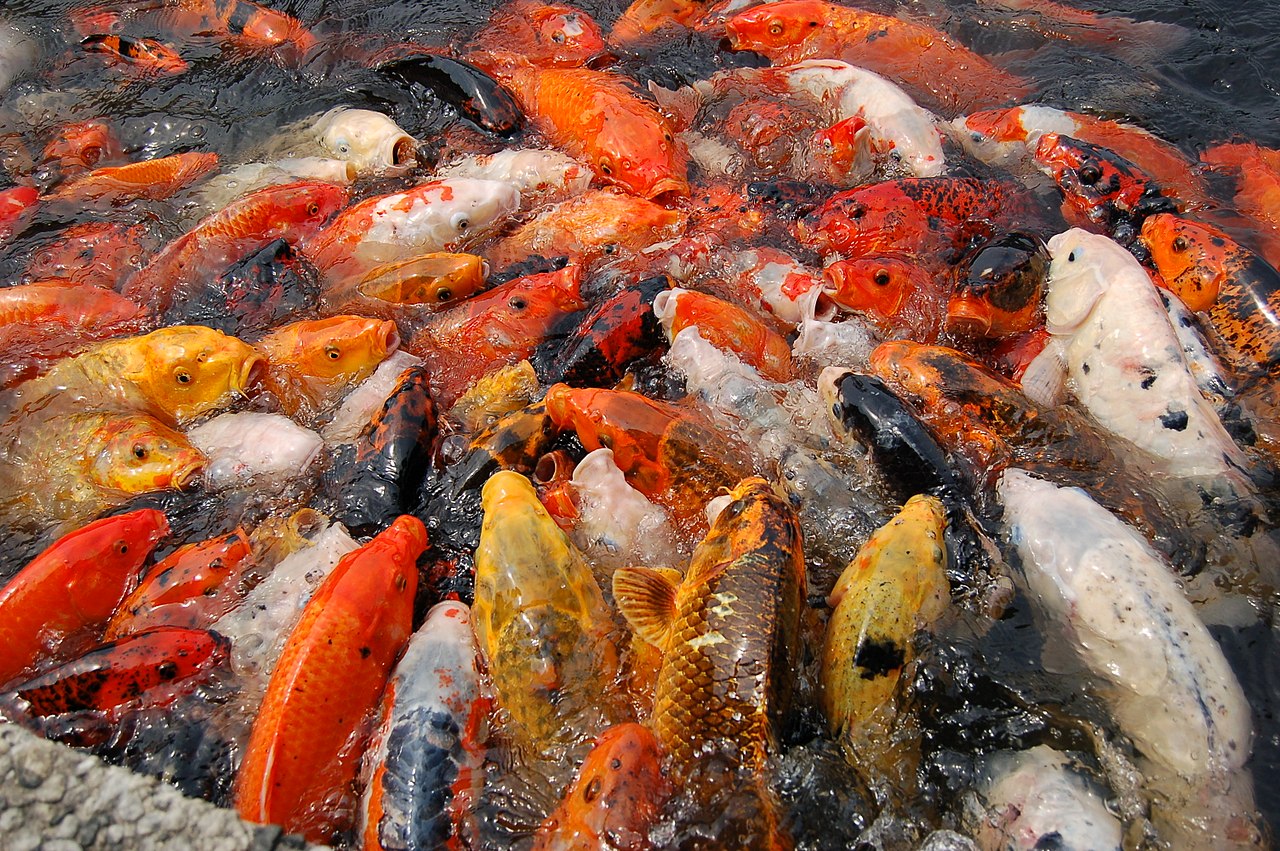
Koi, known in Japanese as koi and more precisely called nishikigoi (錦鯉, “brocaded carp”), are ornamental varieties of the common carp (Cyprinus carpio). Kept primarily for display in outdoor ponds and water gardens, koi are prized for their vivid colors, distinctive patterns and often tame behaviour. They are social, long‑lived fish that have become a global hobby for enthusiasts and breeders.
Image gallery
10 Images




Characteristics and major varieties
Koi are distinguished by coloration, pattern layout and scale type. Major color groups include white, red, black, yellow, blue and cream, with specific patterns given names by breeders. Typical varieties include:
- Kohaku: white body with red markings.
- Taisho Sanke and Showa Sanshoku: tri‑colored types with black accents.
- Asagi and Shusui: bluish or scaled backs with red below.
- Bekko, Goshiki, Koromo and Tancho: other well‑known patterns and scale types.
History and development
Domestication of common carp dates back centuries in Asia; selective breeding for color and pattern intensified in Japan, particularly from the early 19th century, where rice‑farmers and dedicated breeders developed the multicolored nishikigoi. Over time professional breeding, exhibitions and international trade spread koi keeping beyond Japan, creating many named varieties and competitive showing standards.
Care, pondkeeping and uses
Koi are maintained in purpose‑built outdoor ponds with filtration, aeration and regular water testing. Good husbandry includes temperature management, water quality control, balanced nutrition and disease prevention. Koi are kept for aesthetic display, landscape design, and as subjects of selective breeding; they also appear as prizes at shows and festivals and are sometimes used in public botanical gardens.
Cultural significance and notable facts
In Japanese and wider East Asian culture koi symbolize perseverance, strength and good fortune. Size and color quality are judged by breeders and at shows; large, well‑marked specimens are highly valued. Koi differ from goldfish and wild carp in breeding focus: koi are bred for pattern and color rather than for meat or simple ornament.
Regulation and environmental concerns
Because common carp can become invasive when released to the wild, many jurisdictions restrict koi ownership or movement. For example, keeping koi is illegal in parts of Australia such as Queensland and there are broader controls across Australia and elsewhere to prevent ecological harm. Authorities warn that escaped or released koi may establish feral populations and impact native waterways, a reason they are classed as an invasive species in some regions.
For further reading on terminology, breeding standards and pond management, consult specialist hobbyist guides and local regulations; reputable breeder associations and aquatic societies also publish detailed care and judging criteria.
Related articles
Author
AlegsaOnline.com Koi (Nishikigoi): Ornamental varieties of common carp Leandro Alegsa
URL: https://en.alegsaonline.com/art/54120
Sources
- daf.qld.gov.au : Carp