
Kinako — toasted soybean flour used in Japanese cuisine
Kinako is a fine, toasted soybean flour used in Japan as a coating, ingredient, and nutritional powder for sweets and savory dishes. It is nutty, protein-rich, and often sweetened.
Overview
Kinako (黄粉 or きなこ) is a powder made by toasting whole soybeans and grinding them into a fine flour. The toasting stage gives kinako a warm, nutty aroma and a pale beige to light brown color. It is a traditional ingredient in Japanese cooking and confectionery, valued for its flavor, texture and protein content.
Image gallery
6 Images


Characteristics and production
To make kinako, soybeans are first roasted and then milled; some producers use light or darker roasts to alter the aroma and color. The resulting flour differs from raw soybean flour in flavor because the Maillard reactions during toasting produce the distinctive roasted notes. Kinako can be used as-is or blended with other dry ingredients.
Uses and examples
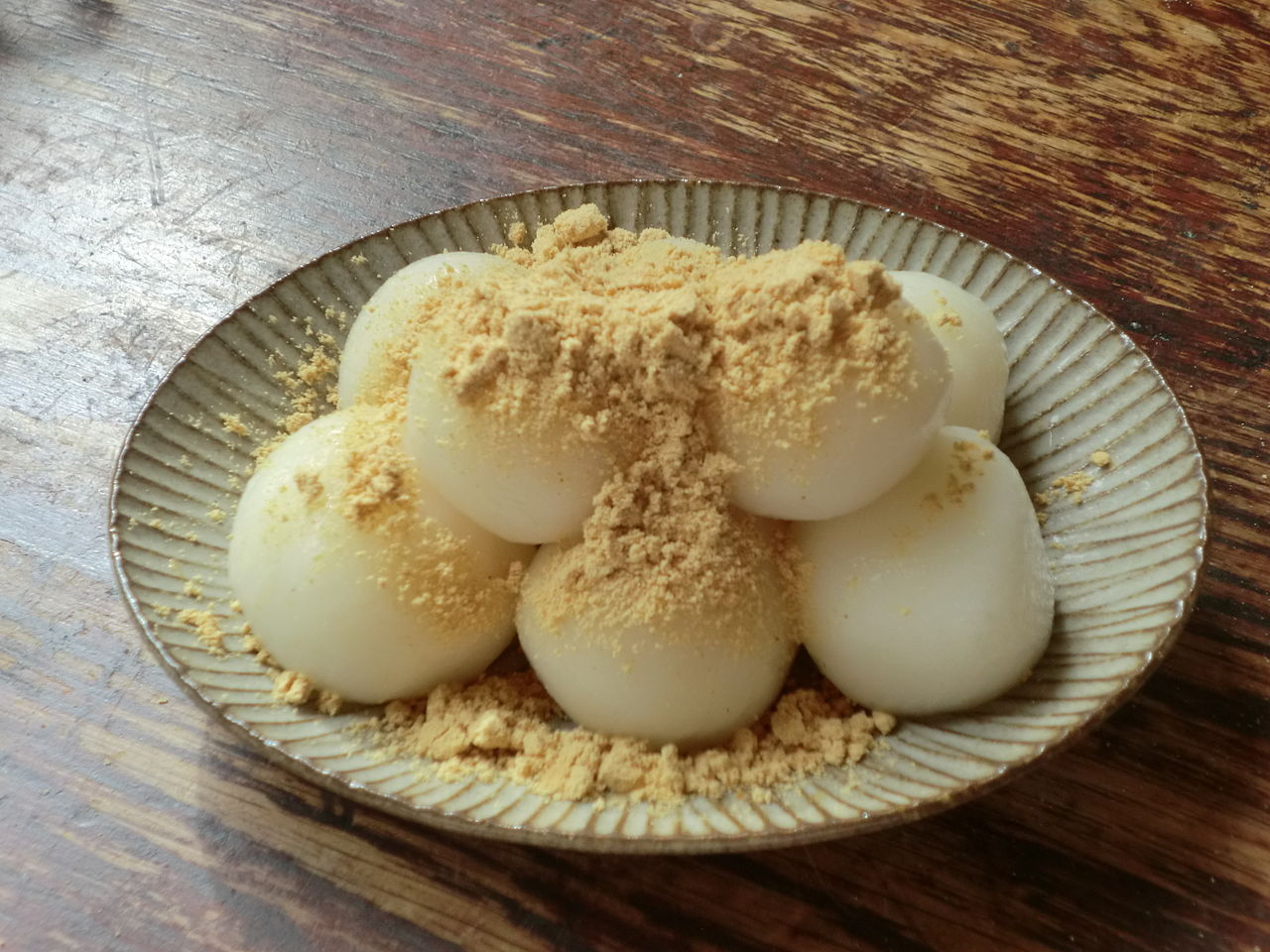
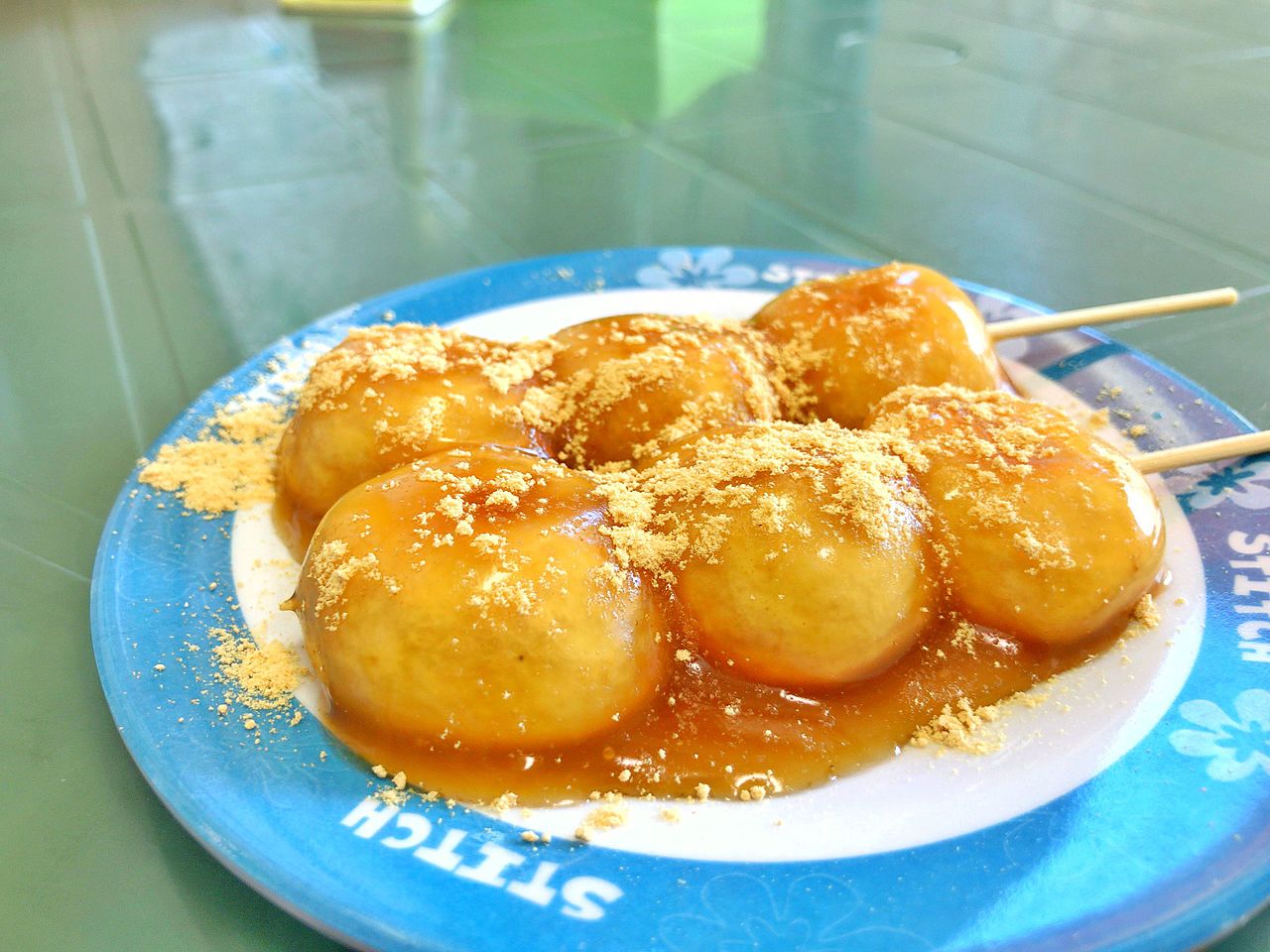
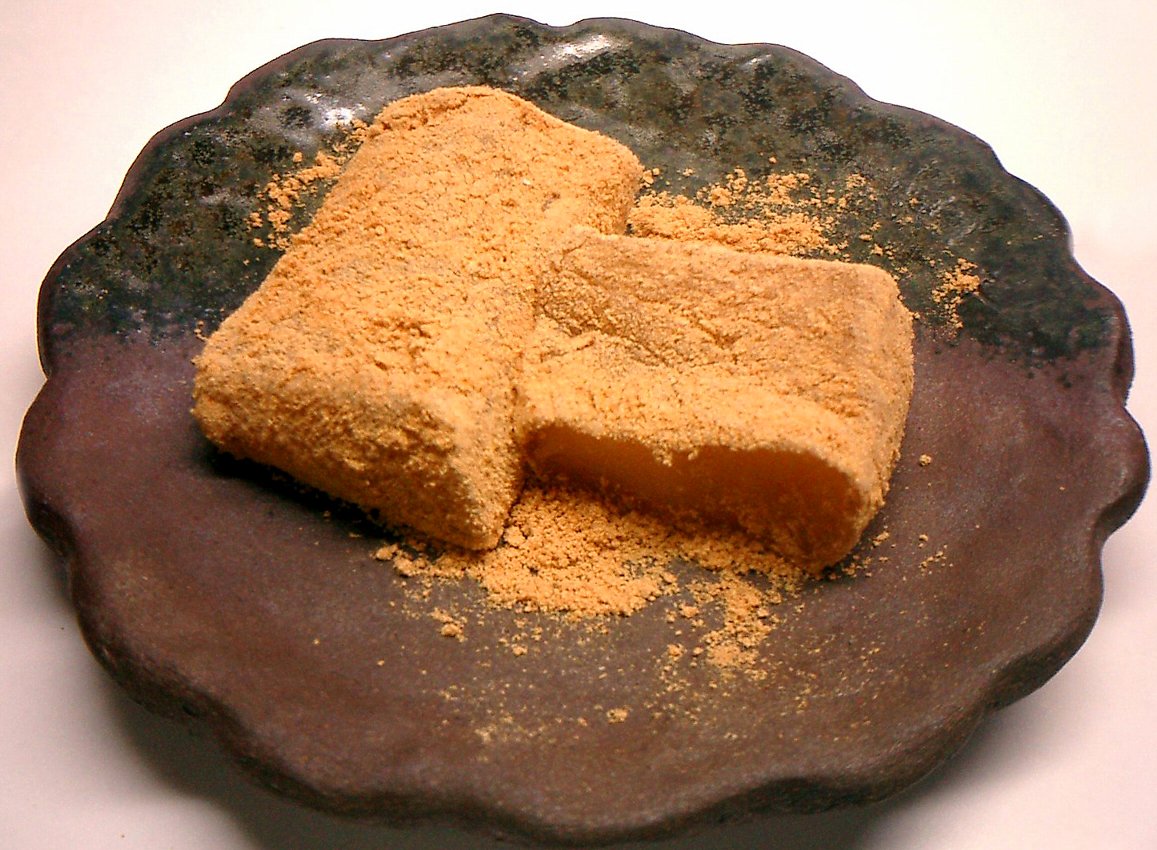
Kinako is most familiar as a coating for mochi and other wagashi (Japanese sweets). A typical preparation mixes kinako with sugar and sometimes a pinch of salt, then rolls pieces of mochi or warabimochi in the mixture. Beyond traditional sweets, kinako is stirred into drinks, added to smoothies, incorporated into baked goods, or used as a topping for yogurt and ice cream.
Common preparations and tips
- Classic: kinako mixed with sugar to coat mochi or dango.
- Modern: kinako blended into shakes for extra protein and a nutty flavor.
- Cooking tip: briefly re-toasting kinako in a dry pan can refresh its aroma; store in an airtight container to preserve flavor.
Nutrition, history and distinctions
Kinako retains much of the soybean's protein and fiber, along with plant compounds such as isoflavones; because it contains whole-soy protein it is a useful plant-based nutrient source. The ingredient has long been used in Japan and neighboring regions as a food and flavoring. Kinako differs from wet by-products like okara (soy pulp) and from unroasted soybean flour: its defining trait is the toasted flavor. Note: kinako contains soy and can trigger allergic reactions in sensitive people.
Further reading
For background on the raw material, see soybean and for milling techniques consult resources on flour production. Common pairings and sweet recipes often suggest mixing kinako with sugar or a little salt to balance its taste.
Related articles
Author
AlegsaOnline.com Kinako — toasted soybean flour used in Japanese cuisine Leandro Alegsa
URL: https://en.alegsaonline.com/art/53500
Sources
- books.google.com : Washoku: Recipes from the Japanese Home Kitchen, p. 14
- books.google.com : History of Miso, p. 772