
Kitchen: Function, Design, History and Types
A kitchen is the room where food is prepared and cooked. This article explains common components, layouts, historical development, uses in homes and institutions, and the differences between domestic and commercial kitchens.
Overview
The kitchen is the room in a house or building where meals are planned, ingredients are stored and food is cooked. Kitchens range from small household spaces to large commercial environments; they commonly include areas for preparation, cooking, cleaning and short-term storage. In many modern homes the kitchen also functions as an informal dining or social area. Institutions such as hotels and schools maintain kitchens to prepare meals for guests, students and staff, and professionals who work there may be described as kitchen workers or chefs.
Image gallery
10 Images




Parts, equipment and layouts
A typical kitchen brings together plumbing, ventilation and electrical services to support essential equipment. Common elements include:
- Cooking appliances — stoves, ovens, ranges and specialized equipment for commercial kitchens.
- Refrigeration and dry storage for perishable and non-perishable ingredients.
- Sinks and dishwashing stations, plus waste disposal systems.
- Work surfaces, cabinets, and often an island or breakfast bar for prep and serving.
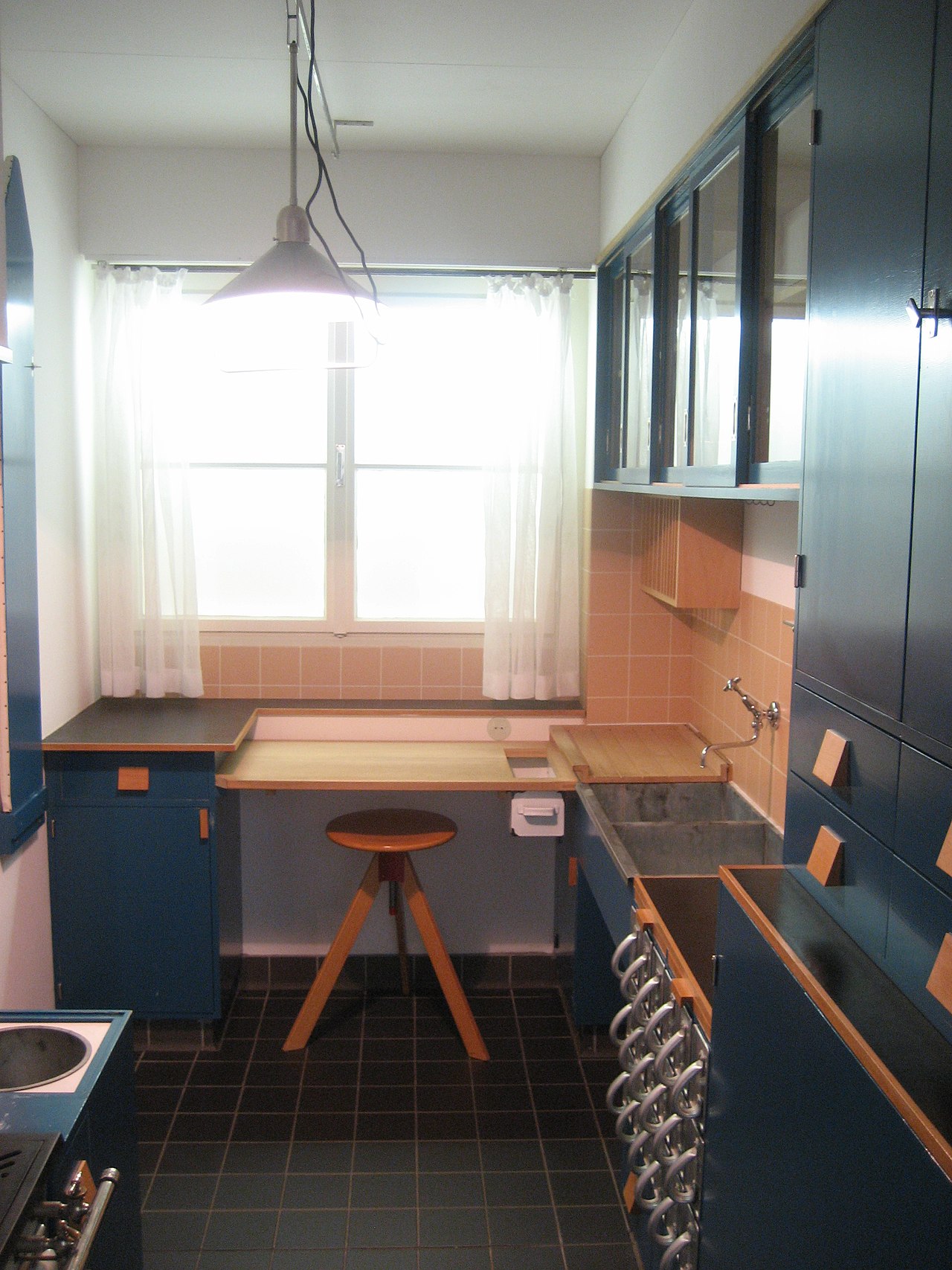
Layouts vary to suit available space and use: galley, L-shaped, U-shaped, open-plan with an island, and compact kitchenettes. Outdoor or campsite kitchens may be sited near a water source such as a pump or tap and offer simple benches and tables for preparation.
History and development
Kitchens evolved from open hearths and communal cooking areas to dedicated rooms equipped with stoves, running water and later electricity and gas. The introduction of mass-produced appliances, standardized plumbing and sanitation rules in the modern era changed both the safety and efficiency of cooking. Over time the kitchen shifted from a hidden service space to a central living area in many cultures, reflecting changes in family life, technology and design preferences. The preparation of food continues to be shaped by available technology and cultural habits.
Uses, roles and notable distinctions
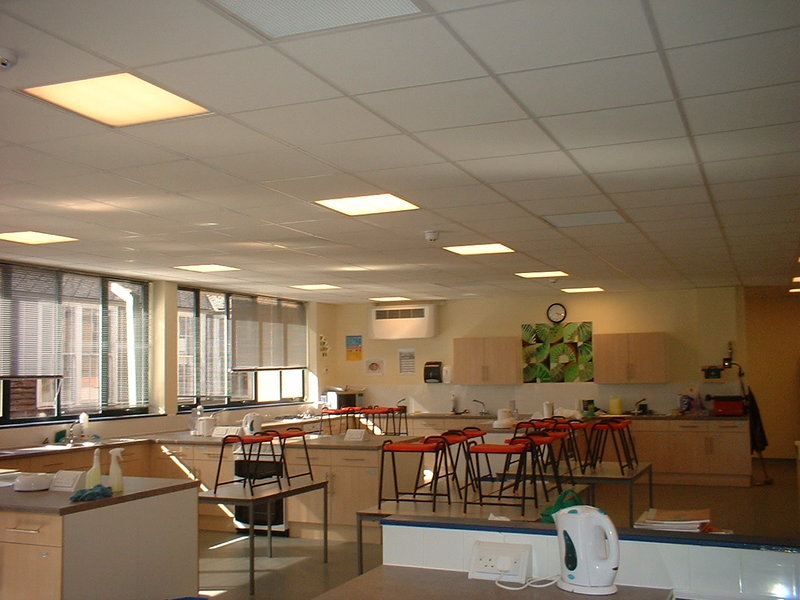
Domestic kitchens focus on flexibility and comfort, while commercial kitchens emphasize workflow, capacity and regulatory compliance. Schools and hospitals have specialized arrangements to serve large numbers or meet dietary needs. Camp and outdoor kitchens prioritize portability and access to water. Small apartment kitchens or home kitchens may sacrifice some features for space but rely on multifunctional appliances. Safety, ventilation and cleanliness are common priorities across all types.
Understanding a kitchen involves its physical components, the social role it plays, and how design adapts to different uses. From a simple countertop and hotplate to integrated professional suites, kitchens remain essential spaces where food, technology and daily life meet.
Related articles
Author
AlegsaOnline.com Kitchen: Function, Design, History and Types Leandro Alegsa
URL: https://en.alegsaonline.com/art/53848