
Kit Kat: wafer chocolate bar — composition, history, flavors and global reach
Kit Kat is a wafer-based chocolate bar created in the UK and sold worldwide. This article summarizes its composition, formats, history, ownership, notable flavors, marketing and cultural impact.
Overview
Kit Kat is a confectionery bar built from thin crisp wafer layers coated in chocolate and arranged as one or more "fingers" that can be snapped apart. Its crisp wafer structure combined with a chocolate coating gives the bar a distinctive texture and sound when broken, often described as the "snap". The product is sold in a range of sizes, from single-finger portions to multi-finger bars and sharing-size packs, and is widely available in convenience stores, supermarkets and vending channels around the world.
Image gallery
10 Images





Composition and formats
Standard Kit Kat fingers typically contain multiple thin wafer layers separated by a light filling and enveloped by an outer chocolate coating. The most common coating is milk chocolate; white and dark chocolate versions are also widely produced. Variants include single-finger minis, two- and four-finger bars, bite-size pieces and larger sharing bars intended for multiple consumers. Packaging varies by market and often emphasises freshness and the bar's break-apart format.
- Core elements: wafer sheets, creamy binding between wafers, and chocolate enrobing.
- Common formats: single-finger, two-finger, four-finger, minis and multipacks.
- Coatings and fillings: milk, white, dark chocolate and numerous flavored coatings or inclusions in special editions.
History and ownership
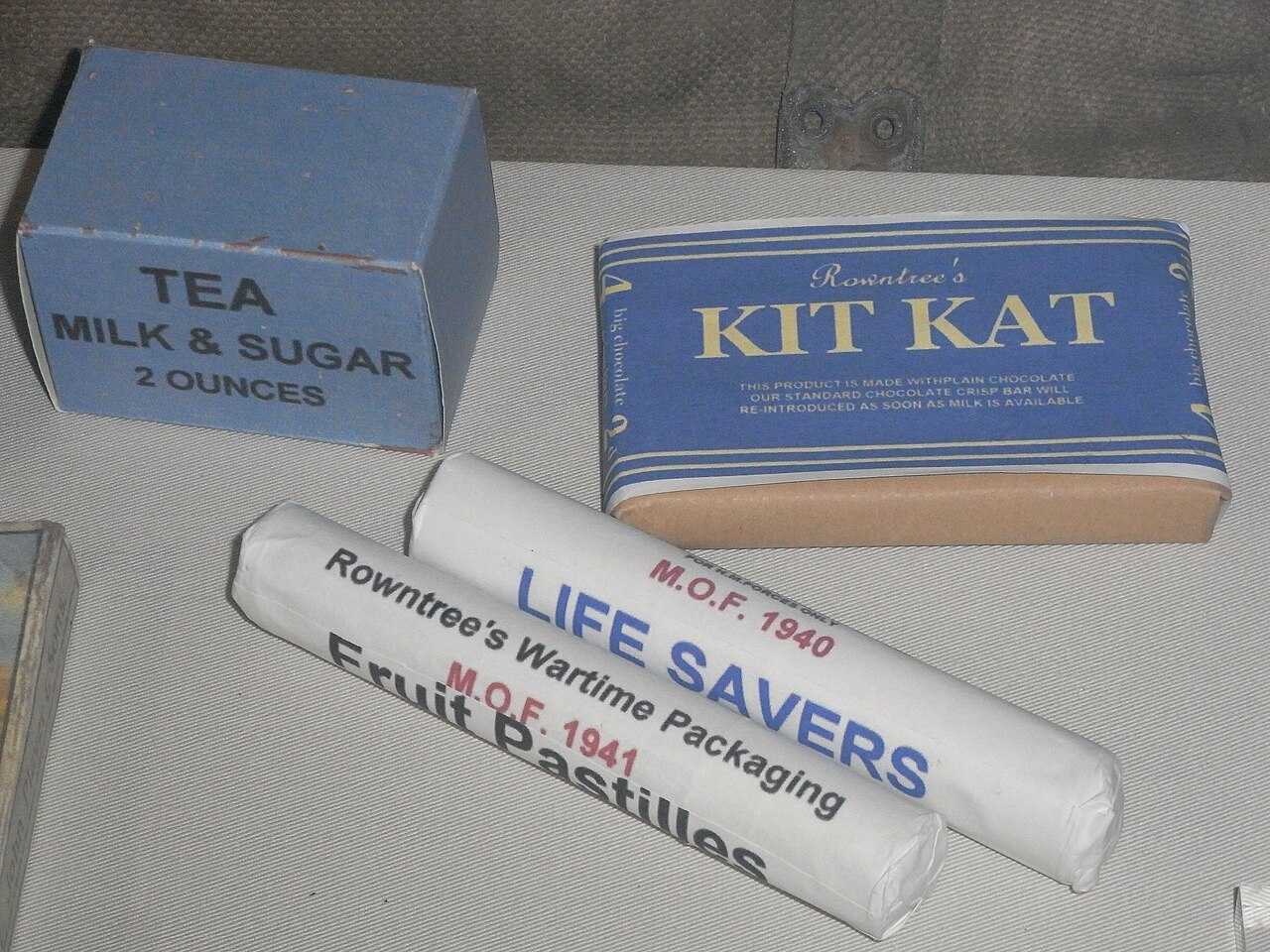
Kit Kat traces its origin to a product developed by Rowntree's of York in the United Kingdom and was launched in 1935. Over the decades it became a flagship brand for the company. Rowntree's was later acquired by a larger multinational food company and the Kit Kat brand is now produced and marketed globally by that group. In some countries production and distribution are governed by licensing arrangements with regional companies; for example, manufacture and distribution in the United States are handled under licence by a North American confectionery company. For background on the original maker see Rowntree's and for geographic origin see United Kingdom.
Production and quality
Manufacturing focuses on producing uniformly thin wafer layers and an even chocolate coating so the bar retains its characteristic texture. Quality control emphasises consistent layering, crispness and packaging integrity. Ingredients and recipes may vary slightly between markets to reflect local preferences or regulatory requirements.
Flavors, regional variations and limited editions
While classic milk chocolate remains the core variant, Kit Kat is notable for an extensive range of regional and limited-edition flavors. Some markets, notably Japan, are known for a particularly wide and inventive assortment of seasonal and novelty flavors. Producers frequently introduce limited runs to test new tastes or to celebrate local festivals, holidays and cultural events.
Marketing and cultural impact
Marketing for the bar has often used the idea of taking a short break while enjoying the product; taglines and campaigns have reinforced the bar's association with small moments of rest. The finger format encourages sharing, and special editions have become collectible in some regions. The brand's visibility in advertising, packaging design and point-of-sale promotions has contributed to its recognition across generations. Corporate and product information can be found on manufacturer sites such as the global producer at manufacturer and on general product pages like Kit Kat product.
Uses and nutrition
Kit Kat is consumed as a snack and is also used in desserts, baking and confectionery recipes where broken fingers or chopped pieces add texture. Like most chocolate confectionery, Kit Kat contains sugar and fats and should be consumed in moderation as part of a balanced diet. Nutrition content and ingredient lists are provided on local packaging and producer information for customers with dietary restrictions.
Collectibility and regional interest
Limited editions, souvenir packaging and market-specific flavors have made certain Kit Kat releases popular with collectors and travellers. The variety of regional offerings reflects local tastes and creative marketing approaches, and the brand continues to be adapted to new markets while maintaining its core wafer-and-chocolate identity.
Further reading
For more detailed historical and corporate information consult official pages and regional product sites, including manufacturer and heritage references such as Rowntree's, distributor information in the United Kingdom, general product listings at product pages and the global producer's site at Nestlé.
Related articles
Author
AlegsaOnline.com Kit Kat: wafer chocolate bar — composition, history, flavors and global reach Leandro Alegsa
URL: https://en.alegsaonline.com/art/53832