
Kegon Falls: a major waterfall in Nikkō National Park
Kegon Falls (Kegon no Taki) is a 97 m waterfall in Nikkō National Park, Tochigi Prefecture, Japan. Fed by Lake Chūzenji, it is a noted scenic and cultural landmark with established visitor facilities.
Overview
Kegon Falls (Kegon no Taki) is one of Japan's best‑known waterfalls, located in Japan within Nikkō National Park. The falls lie in Tochigi Prefecture on the island of Honshū and are fed by the outflow of Lake Chūzenji. The main drop is commonly given as about 97 metres (approximately 318 feet). Set against forested cliffs above a deep valley, Kegon has long attracted visitors for its dramatic single plunge and scenic surroundings.
Image gallery
6 Images



Physical characteristics
The visible waterfall consists of a near‑vertical plunge from the lake outlet, forming a misty spray and a plunge pool at the base. Seasonal changes influence its appearance: water volume tends to be higher in late spring and early summer due to snowmelt and rainfall, the falls are framed by vivid autumn foliage in the fall, and icy formations appear along the cliffs in winter. The site offers multiple viewing angles from platforms that show the fall's face, the gorge below, and the wooded slopes beyond.
Formation and environment
Kegon Falls is part of a larger mountain‑lake system. The outflow from Lake Chūzenji becomes the headwaters of the Oshiri River, which descends through the valley. The falls and surrounding terrain reflect the region's volcanic and tectonic history, the steep cliffs and rock faces shaped by long‑term erosion and occasional outflow variations. Vegetation around the falls comprises mixed temperate forest typical of the higher elevations of the Nikkō highlands.
History and cultural significance
The falls have been admired in art, poetry and travel literature since the 19th century as Nikkō developed as a center for pilgrimage and tourism. In 1927 Kegon Falls was named among a selection of scenic spots sometimes called the "Eight Views" that were promoted as emblematic of Japan during the early Shōwa period. The combination of the alpine lake above and the deep gorge below has made the falls a frequent subject of postcards, guidebooks and photographic study.
Visitor access and facilities
The site is served by paved paths, parking areas and established viewing platforms near the top of the cliff; an elevator provides access to a lower observation point closer to the gorge, giving visitors different perspectives on the cascade. Guided tours and local transport services commonly include Kegon as part of visits to the wider Nikkō area, which also contains historic shrines and scenic roads. Accessibility and safety measures are in place, but weather and ice can affect trails in winter and during storms.
Conservation, safety and social concerns
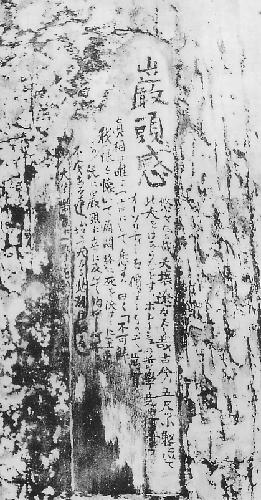
Kegon Falls lies within a national park, and management seeks to balance public access with protection of the landscape and wildlife. The site has also attracted public attention for tragic reasons: it has been known as a location where some people have taken their own lives. This issue has prompted efforts by local authorities and organizations to improve safety, signage and crisis support. Media reporting and public discussion have referenced the so‑called Werther Effect and the importance of responsible coverage. Authorities emphasize prevention and outreach, noting concerns for vulnerable groups including some young people, and encourage use of crisis hotlines and support services for anyone at risk (suicide awareness and prevention).
Notable facts and further information
Kegon Falls remains one of the most visited natural landmarks in the region and a highlight for many who travel to Nikkō. Its accessibility from nearby towns and its proximity to cultural sites contribute to its popularity. For planning a visit, travellers may consult official park materials and local tourism information; many resources and visitor guides list Kegon among signature natural attractions in Japan and in the Nikkō area. Additional authoritative references and visitor guidance are available through regional tourism offices and park management channels that maintain up‑to‑date safety and access notices (site overview, regional context, lake information, prefectural guidance).
Readers seeking more detailed historical, geological or visitor information can consult specialist publications and official park sources for the latest recommendations and background material. Responsible visitation helps preserve the natural character of the falls and the safety of all visitors.
Related articles
Author
AlegsaOnline.com Kegon Falls: a major waterfall in Nikkō National Park Leandro Alegsa
URL: https://en.alegsaonline.com/art/52703
Sources
- env.go.jp : 日本八景(昭和2年)の選定内容 (in Japanese)
- britannica.com : "Lake Chūzenji"