
Honshū — Japan's largest and most populous island
Honshū is the largest island of Japan and its cultural, political, and economic center. This article summarizes its geography, history, major cities, transport links, and notable features.

Honshū (本州), literally "main province" or "mainland," is the largest and most important island of Japan. It contains the country's political capital and many of its largest urban areas, and it serves as the central spine of Japan's geography, economy, and culture. Honshū ranks among the world's largest islands and is notable for its high population density — second only to Java in terms of island populations.
Image gallery
6 Images


Geography and location
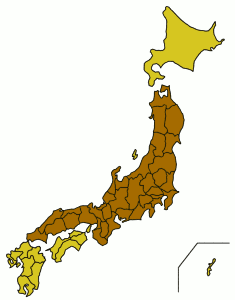
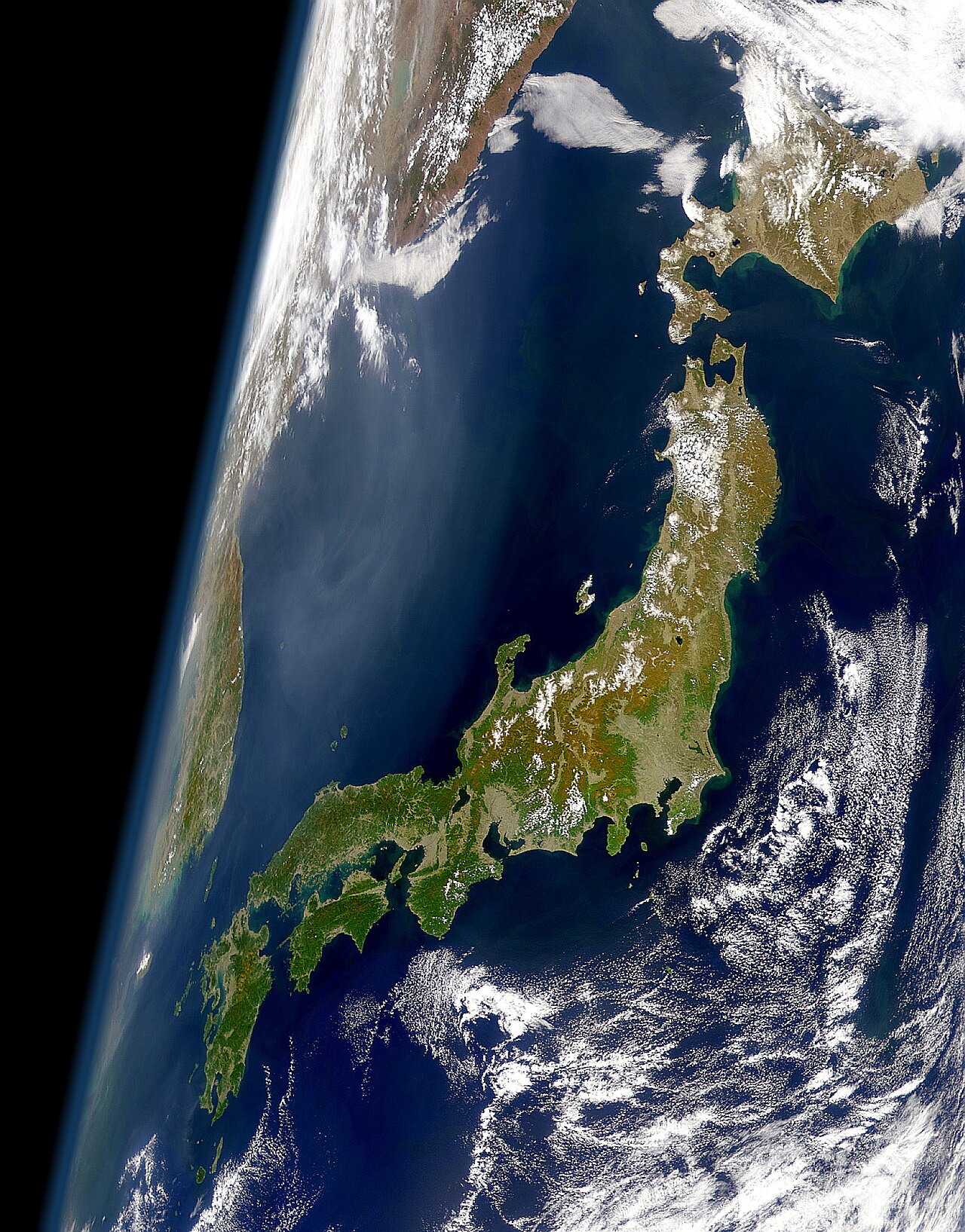
Honshū lies between the northern island of Hokkaidō and the southern islands. It is separated from Hokkaidō by the Tsugaru Strait, lies north of Shikoku across the Seto Inland Sea, and sits northeast of Kyūshū beyond the Kanmon area. The island stretches along a largely mountainous backbone, with narrow coastal plains that support the majority of its agriculture and urban development.
Physical features and climate
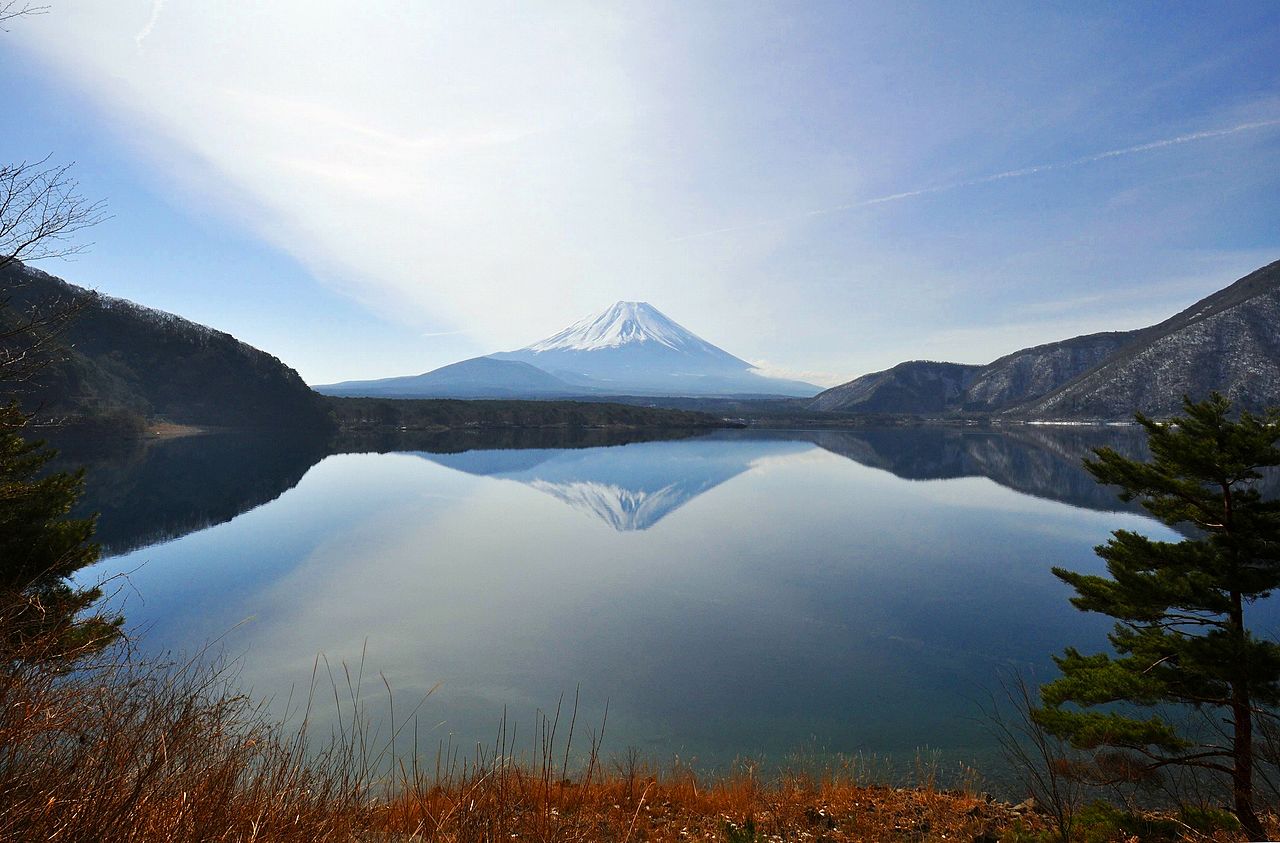
Honshū's landscape is dominated by mountain ranges, including the Central Alps often called the Japanese Alps, interspersed with river basins and coastal plains. Elevation and latitude produce a variety of climates: from temperate coastal zones to colder, snow-prone regions in the north and on windward slopes. This diversity supports a wide range of ecosystems and traditional agricultural zones.
Major cities and human geography
Many of Japan's largest cities are on Honshū, making it the nation's demographic and economic core. Major urban centers include:
- Tokyo — the national capital and a global metropolis
- Osaka and Kyoto — historic and commercial centers in the Kansai region
- Other regional hubs such as Nagoya, Hiroshima and Sendai
Urbanization, industrial activity, and transport corridors link these cities by high-speed rail, expressways and a dense network of regional lines.
History and cultural significance
Honshū has been the primary stage for much of Japanese history: political institutions, cultural developments, and economic modernization have long been concentrated there. Ancient capitals, feudal domains, and modern industrial centers have all left visible traces across the island's towns, temples and castles. The island's role in national life intensified during the medieval and early modern periods and expanded with industrialization and urban growth in the 19th and 20th centuries.
Economy, transport and modern importance
The island hosts Japan's major manufacturing, financial and administrative institutions. Transport infrastructure is extensive — from shinkansen high-speed rail to major airports and networks of bridges and tunnels that link Honshū with nearby islands and peninsulas. Examples include long bridge complexes and undersea passages that facilitate freight and passenger movement between Honshū and Shikoku or Kyūshū.
Notable facts and distinctions
Honshū is sometimes described as Japan's "mainland" because it contains the political capital and most large cities. It is one of the world's largest islands by area and the second-most populous island globally. The island combines ancient cultural sites with highly modern urban centers, making it central to understanding Japan's past and present.
For regional studies and detailed maps, see related entries on the island concept, historical geography of Japan, and the named straits and seas such as the Tsugaru Strait, Seto Inland Sea, and connections to Hokkaidō, Shikoku and Kyūshū.
Related articles
Author
AlegsaOnline.com Honshū — Japan's largest and most populous island Leandro Alegsa
URL: https://en.alegsaonline.com/art/45024
Sources
- books.google.com : "Honshū"