
Knot (looped fastening and ropework)
A knot is a fastening formed by looping or entwining a flexible material such as rope, cord, or hair. Knots have practical, decorative, and technical roles in sailing, climbing, medicine, textiles, and crafts.
Overview
A knot is a configuration of a flexible object—most commonly rope, cord, string, ribbon, or hair—created by passing parts of the material over and under itself to form a secure loop or binding. Knots alter the behavior of the material by creating friction and interlocking segments so they hold under tension. Some knots are designed to be temporary and easy to untie; others are intended to resist slipping and to remain in place under load.
Image gallery
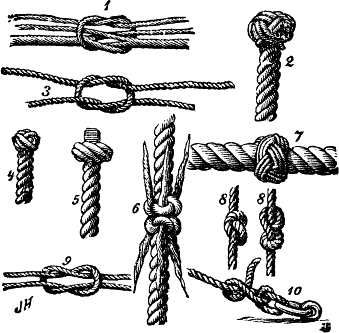
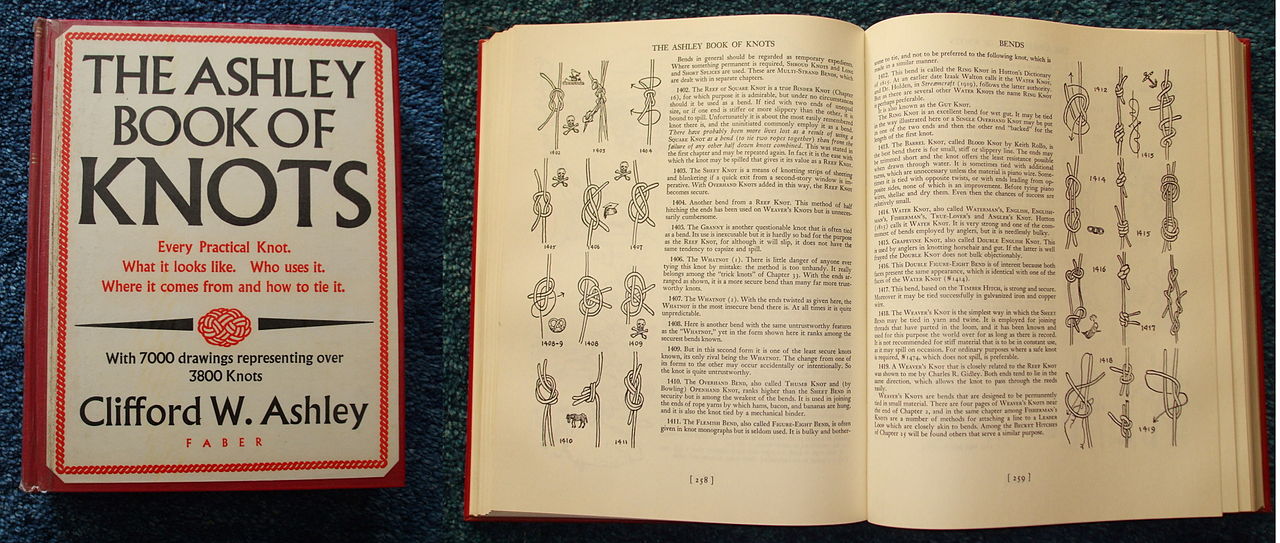
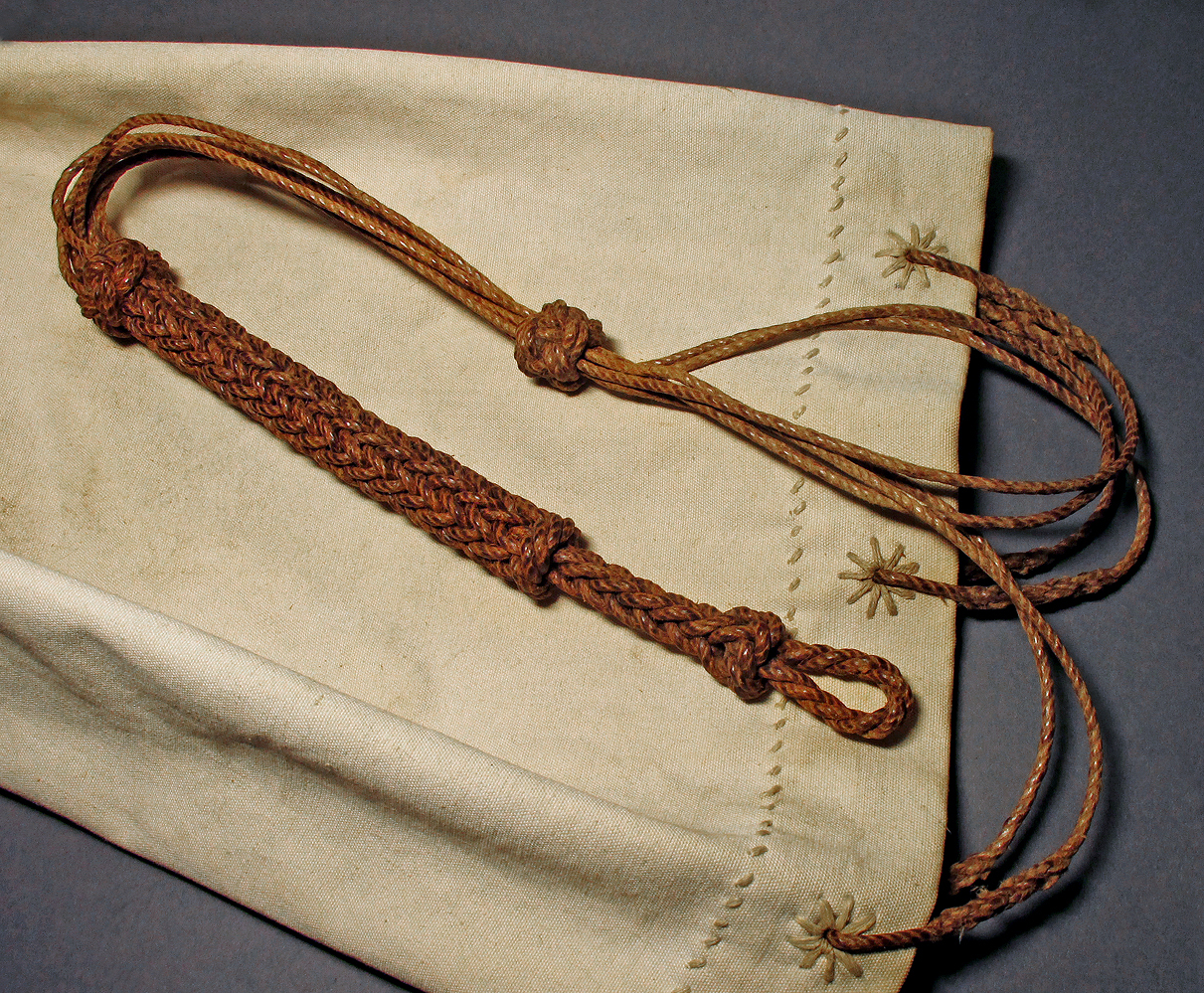
10 Images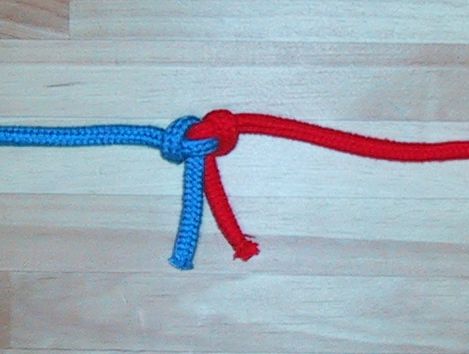





Basic parts and common types
Understanding the terminology helps when learning and comparing knots. Typical parts include the standing end (the portion that bears the load), the working end (the free end used to form the knot), a bight (a U-shaped bend), and one or more loops. Knots are often grouped by function:
- Loop knots (create a fixed loop, e.g., bowline, figure-eight loop)
- Bends (join two ropes, e.g., sheet bend)
- Hitches (attach a rope to an object, e.g., clove hitch)
- Stopper knots (prevent a rope from passing through an opening, e.g., figure-eight stopper)
- Decorative knots (used in macramé, jewelry, and packages)
History and cultural roles
Knots have been part of human technology since antiquity. They appear in maritime activity, textiles and garment production, animal husbandry, and construction. Seafaring communities developed extensive knot traditions to secure sails, rigging and cargo; many common knot names and uses come from that heritage. Knots also appear in decorative arts such as macramé and in ceremonial or symbolic forms across cultures.
Practical uses and examples
Knots serve many everyday and specialised functions. Shoelaces and ribbons form simple bow knots for convenience and appearance. Sailors rely on specific hitches and bends to manage rigging and mooring—skills taught as part of seamanship. Climbers and rescue teams use knots that maintain strength and resist slipping when loaded. Fishing, package tying, sewing and surgical suturing all depend on knots or knot-like techniques. Small practical examples include tying a rope to a post, twisting hair into a knot, closing the neck of a balloon, or wrapping a gift.
Performance, safety and selection
Different knots affect the strength and stability of the material. Most knots reduce the breaking strength of a rope to some extent because they introduce bends that concentrate stress. A knot's suitability depends on criteria such as security (resistance to slipping), ease of untying after loading, tendency to jam, and how it distributes load. In critical applications—climbing, rescue, surgery—users select well-tested knots and follow established tying and dressing practices to minimize risk.
Distinctions and notable facts
Physical knots used in daily life should be distinguished from the mathematical study of knots, which treats closed loops in three-dimensional space up to continuous deformation. Knot-tying is also a hobby and craft: organizations and enthusiasts practice decorative knotwork and preserve traditional techniques. Sailors, scouts and ropeworkers continue to teach standard knot sets as practical skills; for example, many maritime guides list essential knots to be learned by every sailor.
Learning to tie common knots and understanding their intended use is a small but widely useful skill. Good practice includes practicing under safe conditions, inspecting knots regularly when in service, and replacing or retiring ropes that show wear or damage.
Questions and answers
Q: What is a knot and what is it often used for?
A: A knot is a fixed looping of a piece of string or rope that is often used for binding things together.
Q: Can knots only be made from rope?
A: No, knots can be made from many other things.
Q: What is a knot?
A: A knot is actually the condition a long flexible object is in.
Q: Can hair be tied in a knot?
A: Yes, hair can be tied in a knot.
Q: Why are the ends of balloons tied in a knot?
A: The ends of balloons are tied in a knot to prevent the air from escaping.
Q: Who is likely capable of tying a knot?
A: The average person over 5 or so years of age is likely capable of tying a knot.
Q: What are some other things that knots are used for?
A: Knots are also made by sailors in many different forms and for many different purposes. They are even used for decoration, such as tying ribbons in a knot to make a gift look pretty. Some people have even adopted knot-making as a hobby.
Related articles
Author
AlegsaOnline.com Knot (looped fastening and ropework) Leandro Alegsa
URL: https://en.alegsaonline.com/art/54014