
July Revolution (France, 1830): uprising, causes and consequences
The July Revolution of 1830 toppled King Charles X, brought Louis‑Philippe to power and inaugurated the July Monarchy, a constitutional, bourgeois regime that lasted until 1848.
The July Revolution of 1830 was a short, decisive uprising in France that removed the conservative Bourbon king and opened a new chapter in French constitutional politics. Known in French as Les Trois Glorieuses (the Three Glorious Days), the disturbance in late July combined popular street action, press agitation and political crisis. It resulted in the end of the reign of Charles X and the elevation of his cousin, the Duc d'Orléans, who became Louis‑Philippe and inaugurated the July Monarchy.
Image gallery
10 Images


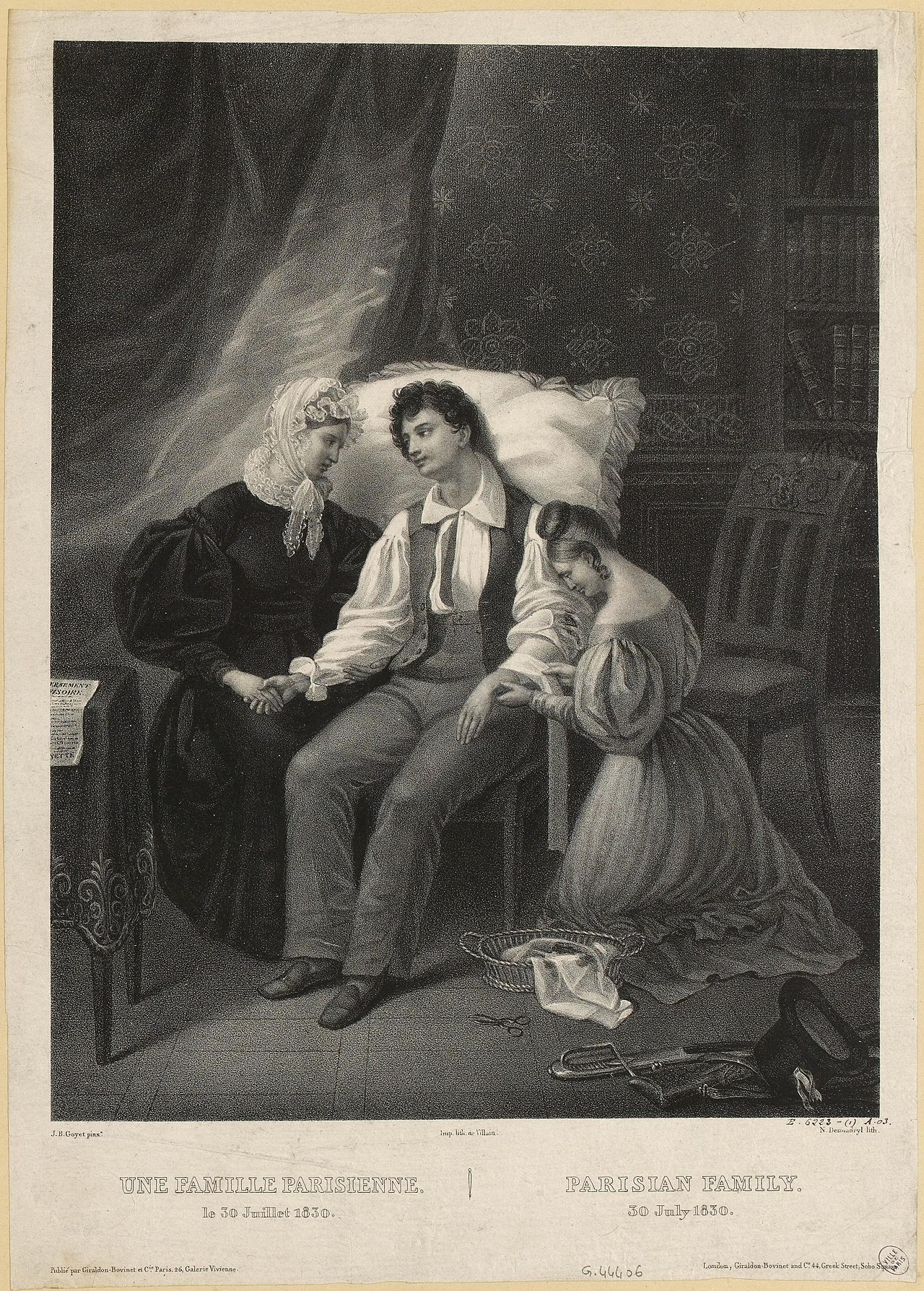


Background and immediate causes
After the fall of Napoleon, the Bourbon dynasty had been restored to the throne in what is commonly called the Bourbon Restoration. Tensions persisted between royalists favoring traditional, hereditary authority and those who wanted a constitutional, more liberal order. The immediate trigger in July 1830 were the king's so‑called July Ordinances: decrees that suspended freedom of the press, dissolved the newly elected Chamber of Deputies and drastically restricted the electorate. These measures provoked newspapers, deputies and street demonstrators to resist what they saw as an illegal attempt to reimpose absolutist rule.
How the uprising unfolded
The revolt was centered in Paris and took place chiefly over three days. Citizens, many of them workers and artisans, erected barricades and fought with troops in the streets. Political leaders and liberal deputies rallied to the popular movement without fully controlling it. Faced with growing disorder and diminished support, Charles X abdicated. The royal line then passed from the senior Bourbon branch to the cadet House of Orléans, establishing a new regime that styled itself differently from its predecessors.
Nature and policies of the July Monarchy
Louis‑Philippe accepted the title "King of the French" rather than "King of France," a deliberate phrase signaling a constitutional relationship between ruler and people. The July Monarchy is often described as a bourgeois or liberal monarchy: it preserved property‑based voting qualifications, favored commercial and financial interests, and embraced many symbols of the revolutionary era such as the tricolor flag. At the same time it disappointed republicans and more radical reformers who sought broader democracy and social change.
Consequences and wider impact
- Political realignment: Supporters of the senior Bourbon line became known as Legitimists; supporters of Louis‑Philippe were called Orléanists.
- European ripple effects: the 1830 upheavals encouraged or coincided with other disturbances in Belgium and parts of Italy and Poland, contributing to a period of revolutionary ferment across the continent.
- Legacy: the July Monarchy lasted until the French Revolution of 1848, which again overturned the monarchical order and led to the establishment of the Second Republic.
The July Revolution remains important as an example of a successful, urban, middle‑class‑assisted uprising that combined liberal constitutional aims with popular mobilization. It illustrates how 19th‑century Europe negotiated between monarchy and emerging democratic demands, producing regimes that were often compromises between old privilege and new political forces. For more detailed contemporary documents and analysis, see primary source collections and scholarly studies that examine the ordinances, press response and the accounts of the three days.
Further reading and related topics: constitutional monarchy, the shifting symbolism of royal titles, and the political factions of the period. For specific people and events referenced above, consult entries on Charles X, the Duc d'Orléans, the nature of a type of monarchy, the Bourbon Restoration and the later French Revolution of 1848.
Questions and answers
Q: What was the French Revolution of 1830 also known as?
A: The French Revolution of 1830 was also known as the July Revolution.
Q: What happened during the July Revolution?
A: The July Revolution was the throwing off of Charles X of France from power, and his cousin Louis-Philippe, the Duc d'Orléans, became king.
Q: Who became king after Charles X was removed from power during the July Revolution?
A: Louis-Philippe, the Duc d'Orléans, became king after Charles X was removed from power during the July Revolution.
Q: What change did the July Revolution mark?
A: The July Revolution marked the change from the Bourbon Restoration to the July Monarchy.
Q: Who did the power change from after the July Revolution?
A: The power changed from the House of Bourbon to the House of Orléans after the July Revolution.
Q: What were supporters of Bourbon called after the July Revolution?
A: Supporters of Bourbon were called Legitimists after the July Revolution.
Q: Who was king of the French after the July Revolution until the French Revolution of 1848?
A: Louis-Philippe was king of the French (not King of France) after the July Revolution until the French Revolution of 1848.
Related articles
Author
AlegsaOnline.com July Revolution (France, 1830): uprising, causes and consequences Leandro Alegsa
URL: https://en.alegsaonline.com/art/51562
Sources
- commons.wikimedia.org : French Revolution of 1830