
Client state
A client state is a polity whose sovereignty is limited by domination of a more powerful state. It covers forms of dependence such as protectorates, satellite states, and tributary relationships.
A state is described as a client state when it is formally independent but in practice must follow the direction of a more powerful country in international affairs or politics. The term emphasizes asymmetric influence rather than legal status: a client state retains its own institutions while yielding critical decisions about security, diplomacy or economics to an external power. Scholars often treat clienthood as a spectrum, from close allies with limited autonomy to nominally sovereign regimes that depend almost entirely on their patrons.
Image gallery
3 Images
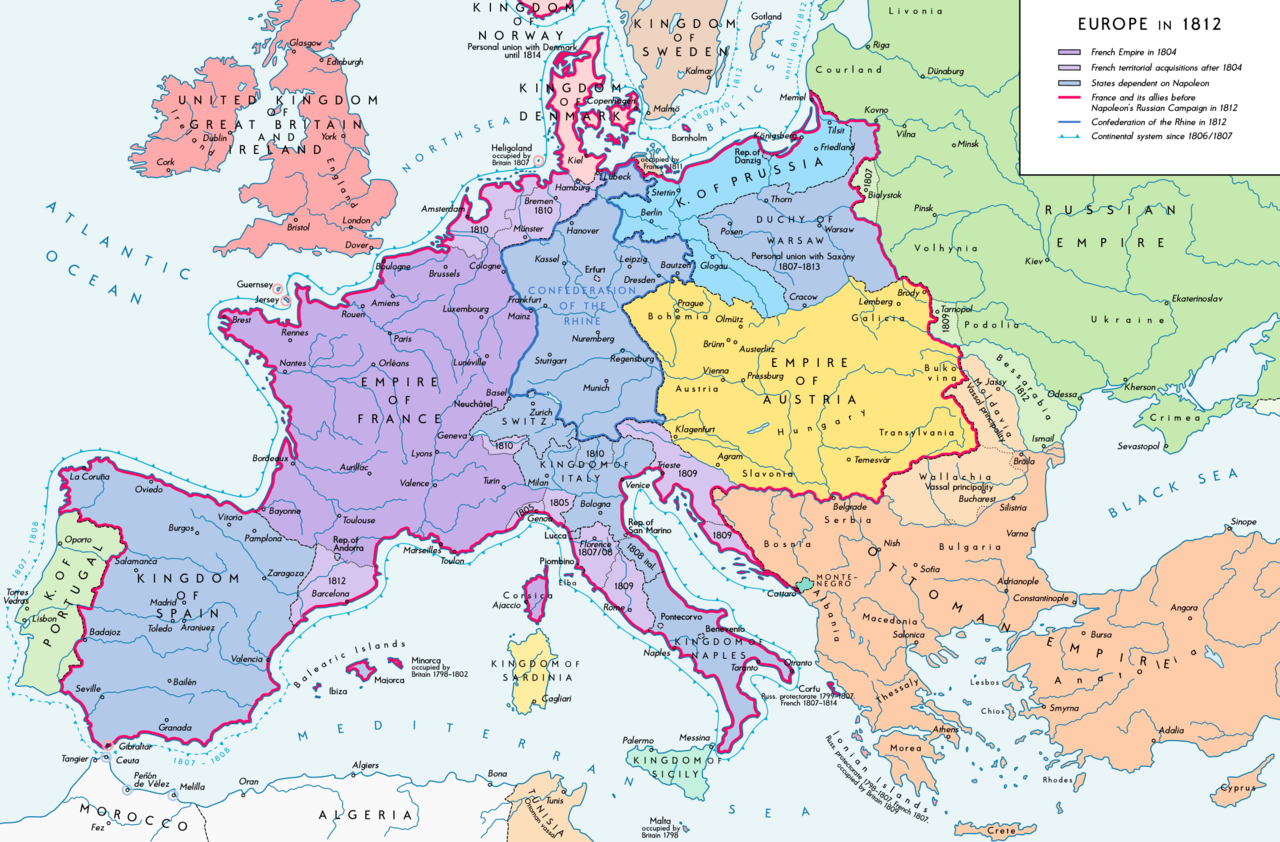

Typical characteristics
Client states commonly exhibit a cluster of features that signal dependence: military presence or bases controlled by the patron; constrained foreign policy and treaty commitments; economic reliance through subsidies, trade preferences or debt; political influence exercised by covert or overt means; and sometimes the installation or support of compliant leaders. Not every dependent relationship displays all these traits, and degree of control varies over time.
Historical development
Dependent arrangements date back centuries: ancient tributary systems, feudal vassal ties, and protectorates of imperial eras are antecedents of modern clienthood. In the nineteenth and twentieth centuries colonial empires formalized control, while the Cold War produced satellite states aligned to superpowers. Since decolonization, new forms such as neo-colonial economic dependence have been highlighted by critics who use the label neo-colony to stress indirect control.
Examples and contemporary relevance
Historical examples include protectorates and spheres of influence established by empires; twentieth-century instances include states closely aligned to competing superpowers. Contemporary discussion often invokes clientage to describe relationships where a powerful state exercises practical control while avoiding formal annexation. Analysts also point to associated or dependent arrangements where military assistance, economic ties, or treaties effectively limit the smaller state's independence.
Distinctions and related terms
- Puppet state — a regime overtly controlled or installed by a foreign power; often lacks real autonomy (puppet state).
- Satellite state — close political alignment and dependence, especially during the Cold War (satellite).
- Protectorate — formal agreement in which a state cedes external affairs to another (protectorate).
- Associated state — contractual link that may preserve more autonomy (state in association).
- Tributary/vassal — older terms for hierarchical obligations (tributary, vassal).
Importance and debate
Describing a polity as a client state has normative and analytical uses: it highlights power imbalances and helps explain foreign policy behavior, but it can also be contested by the parties involved. The greater power is often said to exercise hegemony over the lesser, while some observers prefer legal categories to avoid pejorative implications. Related concepts such as neo-colony and puppet state reflect different emphases on economic dependence or direct political control, and the term politics remains central when assessing who makes decisive choices. For further general context see sources on international relations and state sovereignty (international, state).
Related articles
Author
AlegsaOnline.com Client state Leandro Alegsa
URL: https://en.alegsaonline.com/art/20973