
Juei era (1182–1184) — Japanese nengō
Juei (寿永) was a Japanese era name from May 1182 to March 1184. It coincided with the Genpei War and the rival claims of Emperors Antoku and Go-Toba during a turbulent phase of late Heian politics.
Overview
Juei (寿永) is the Japanese era name (nengō) that extended from May 1182 through March 1184. Era names are an imperial dating system used to mark years in Japan; they are chosen for auspicious meanings and often change after significant events. The two characters of Juei are commonly read as conveying longevity and permanence in a classical sense.
Image gallery
2 Images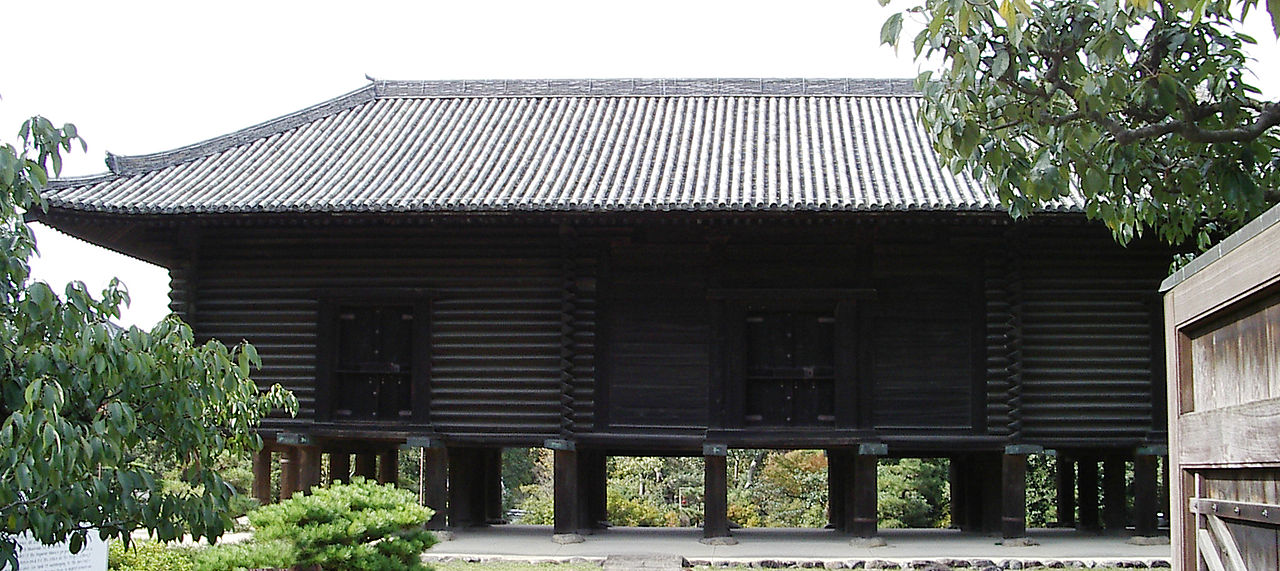

Context and chronology
The Juei era followed the Yōwa era and preceded the Genryaku era. It covered a short but intense interval during the late Heian period, a time characterized by military conflict and political realignment. The period overlapped with the broader conflict known as the Genpei War, in which rival warrior houses and court factions contested authority across the country.
Key events and characteristics
- Era change: The nengō was proclaimed in 1182, as was customary when court authorities sought to mark a fresh beginning after disasters, political shifts, or other notable occurrences.
- Wartime conditions: Juei years witnessed military campaigns, shifting control of the capital region, and the movement of court figures between rival power centers.
- Rival courts: During this time competing centers of imperial authority emerged, a pattern visible in the contemporaneous recognition of different imperial persons.
Emperors during Juei
Two emperors are associated with Juei. The child-emperor Antoku remained a central figure for the Taira (Heike) faction, while another claimant, later known as Go-Toba, was installed by opposing forces and represented the interests of those who challenged Taira dominance. The presence of rival imperial figures reflects the fractured political landscape of the era.
Significance and legacy
Although brief, the Juei era is significant as part of the closing chapter of the Heian period and the transition toward samurai-led rule. The events and rivalries of these years fed into the military and social changes that culminated after Juei, reshaping Japan's political order. For studies of medieval Japanese chronology and court-military relations, Juei is a useful marker linking era-name practice to historical transformation.
For general context on the nengō system and era names, see the entry on the nengō concept and its role in Japanese chronology.
Related articles
Author
AlegsaOnline.com Juei era (1182–1184) — Japanese nengō Leandro Alegsa
URL: https://en.alegsaonline.com/art/51450
Sources
- books.google.com : "Juei"
- books.google.com : Annales des empereurs du Japon, pp. 200-207
- books.google.com : Gukanshō, pp. 333-334
- books.google.com : pp. 206-207
- kunaicho.go.jp : Ceremony of Accession (Sokui-no-Rei)
- books.google.com : p. 207