
Seleucid Empire: Hellenistic realm across the Near East
A Hellenistic state founded after Alexander the Great, the Seleucid Empire ruled large parts of the Near East from the late 4th to the mid-1st century BC, shaping politics, trade, and cultural exchange.
The Seleucid Empire was one of the major Hellenistic successor states created in the aftermath of Alexander the Great’s conquests. Established by Seleucus I Nicator and his successors, it controlled vast and diverse territories across the Near East at its height, bridging Anatolia, the Levant, Mesopotamia, Iran, Central Asia and portions of the Indian frontier. Contemporary descriptions emphasize its mixed Greek and native character: administrators and soldiers drew on Ancient Greek institutions while also adopting many practices inherited from the earlier Achaemenid Empire.
Image gallery
10 Images


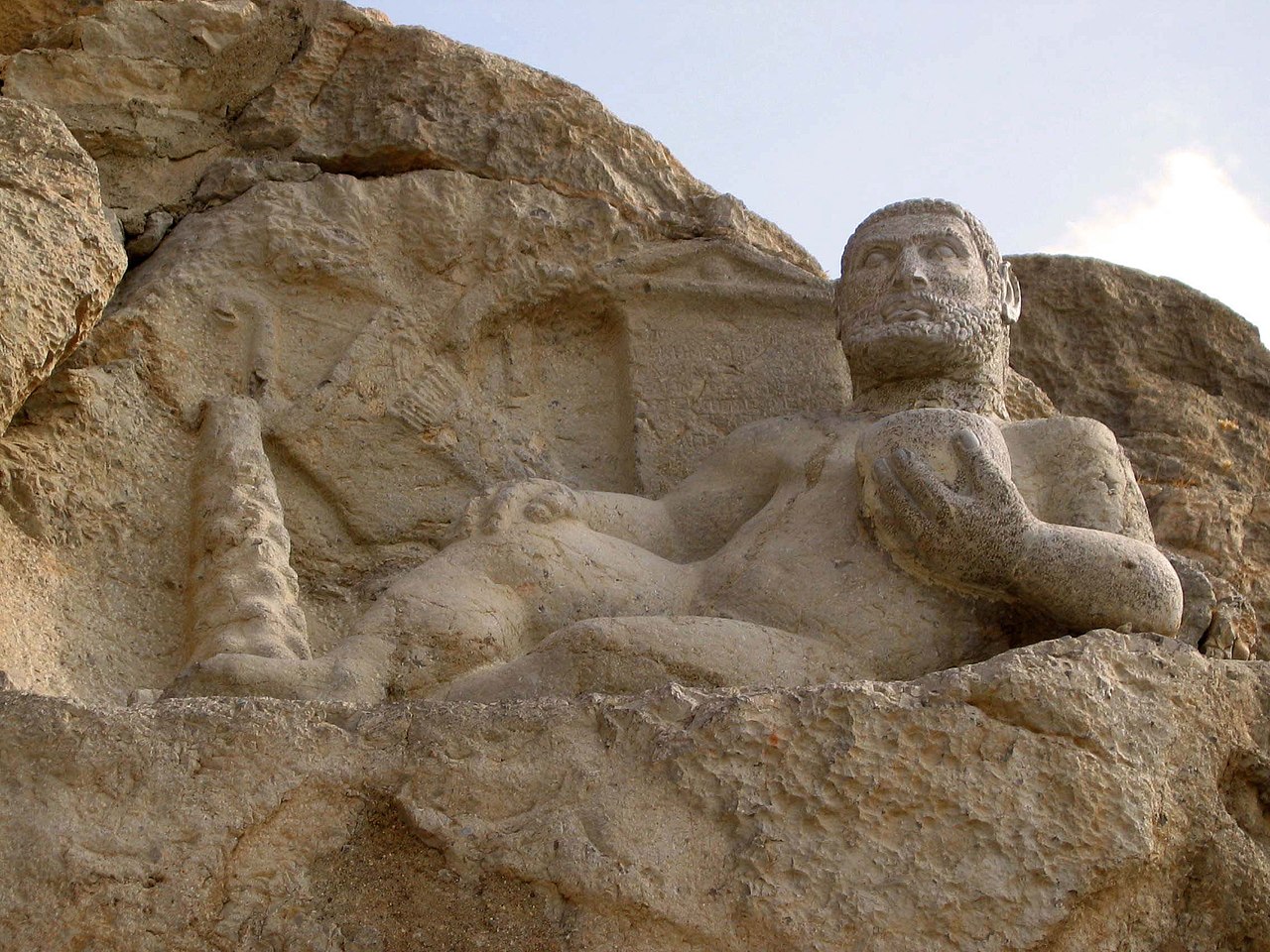




Territory and major centres
Territorial extent shifted repeatedly through wars and diplomacy. Important urban centres and foundations included:
- Antioch — one of the dynasty’s principal capitals and a major Mediterranean trade hub.
- Seleucia-on-Tigris — a commercial and administrative centre located on the Tigris.
- Coastal and inland cities across Syria, Cilicia and Anatolia that linked maritime and overland routes.
The realm bordered rival Hellenistic states such as the Ptolemaic Kingdom in Egypt, negotiated with Indian polities (notably a treaty with the Mauryan empire), and later faced rising Iranian powers to the east.
Government, society and culture
Seleucid rule combined Macedonian-style monarchic institutions with local administrative traditions. Greek settlers, military colonists and local elites produced a multicultural society where Hellenistic art, language and coinage coexisted alongside Persian, Mesopotamian and Semitic customs. The dynasty promoted city foundations and civic institutions modeled on Greek polis structures to consolidate control and encourage commerce.
Economy and military
The empire’s economy depended on agriculture, long-distance trade and taxation of strategically placed provinces. Its armies were a mix of Macedonian phalanx elements, cavalry, mercenaries and indigenous levies; frequent conflicts—such as the Syrian Wars with Ptolemaic Egypt and struggles against eastern nomads—shaped military organization and frontier policy.
Decline and legacy
From the 2nd century BC the Seleucids faced internal dynastic strife, territorial losses to Parthian and regional powers, and increasing Roman intervention. By the mid-1st century BC the dynasty’s authority had fragmented and Rome annexed Syrian territories, bringing an end to effective Seleucid sovereignty. Despite its political demise, the empire left a lasting legacy in the spread of Hellenistic culture across the Near East, urban foundations that endured as commercial centres, and administrative patterns that influenced successor regimes.
For further reading on Hellenistic politics, culture, and the Seleucid administrative model see scholarly surveys and primary inscriptions discussed in modern studies: geographical overviews, archaeological reports, and numismatic analyses at coinage studies. Contextual treatments include connections to the Indian subcontinent (Mauryan contacts) and later regional transformations under early Islamic and Persian polities. A general historical summary is available at many academic sources (cultural background, founding narratives).
Questions and answers
Q: What was the Seleucid Empire?
A: The Seleucid Empire was a Hellenistic state that succeeded Alexander the Great's empire.
Q: What areas did the Seleucid Empire cover at its greatest extent?
A: The Seleucid Empire covered central Anatolia, the Levant, Mesopotamia, Persia, Turkmenistan, Pamir, and the Indus Valley at its greatest extent.
Q: Which empire was primarily succeeded by the Seleucid Empire?
A: The Seleucid Empire primarily succeeded the Achaemenid Empire of Persia.
Q: Which empire conquered and ruled over the Seleucid Empire from the 650s to 660s AD?
A: The Islamic Caliphate (Rashidun Empire) conquered and ruled over the Seleucid Empire from the 650s to 660s AD.
Q: What happened to much of the area of the Seleucid Empire later on?
A: Much of the area of the Seleucid Empire became part of the Umayyad Empire and then the Abbasid Empire.
Q: How many kings did the Seleucid dynasty have?
A: The Seleucid dynasty had over 30 kings from 323 to 63 BC.
Q: What was the timeframe of the Seleucid Empire?
A: The Seleucid Empire existed from 323 to 63 BC.
Related articles
Author
AlegsaOnline.com Seleucid Empire: Hellenistic realm across the Near East Leandro Alegsa
URL: https://en.alegsaonline.com/art/88667
Sources
- doi.org : 10.2307/1170959
- jstor.org : 1170959