
Jurchen people: origins, history, culture, and legacy
Overview of the Jurchen people, a Tungusic group from Manchuria who founded the Jin dynasty and later became known as the Manchu; their society, relations with Korea, and historical legacy.
The Jurchen were a Tungusic-speaking people indigenous to the forests and river valleys of northeastern Asia, historically centered in the region commonly known as Manchuria. They emerged as a distinct political force in the medieval period and are best known for creating the Jin dynasty in northern China. Over several centuries their identity and institutions evolved; in the 17th century the Jurchen polity and many of its leaders adopted the ethnonym Manchu, after which they played the leading role in founding the Qing dynasty.
Image gallery
10 Images


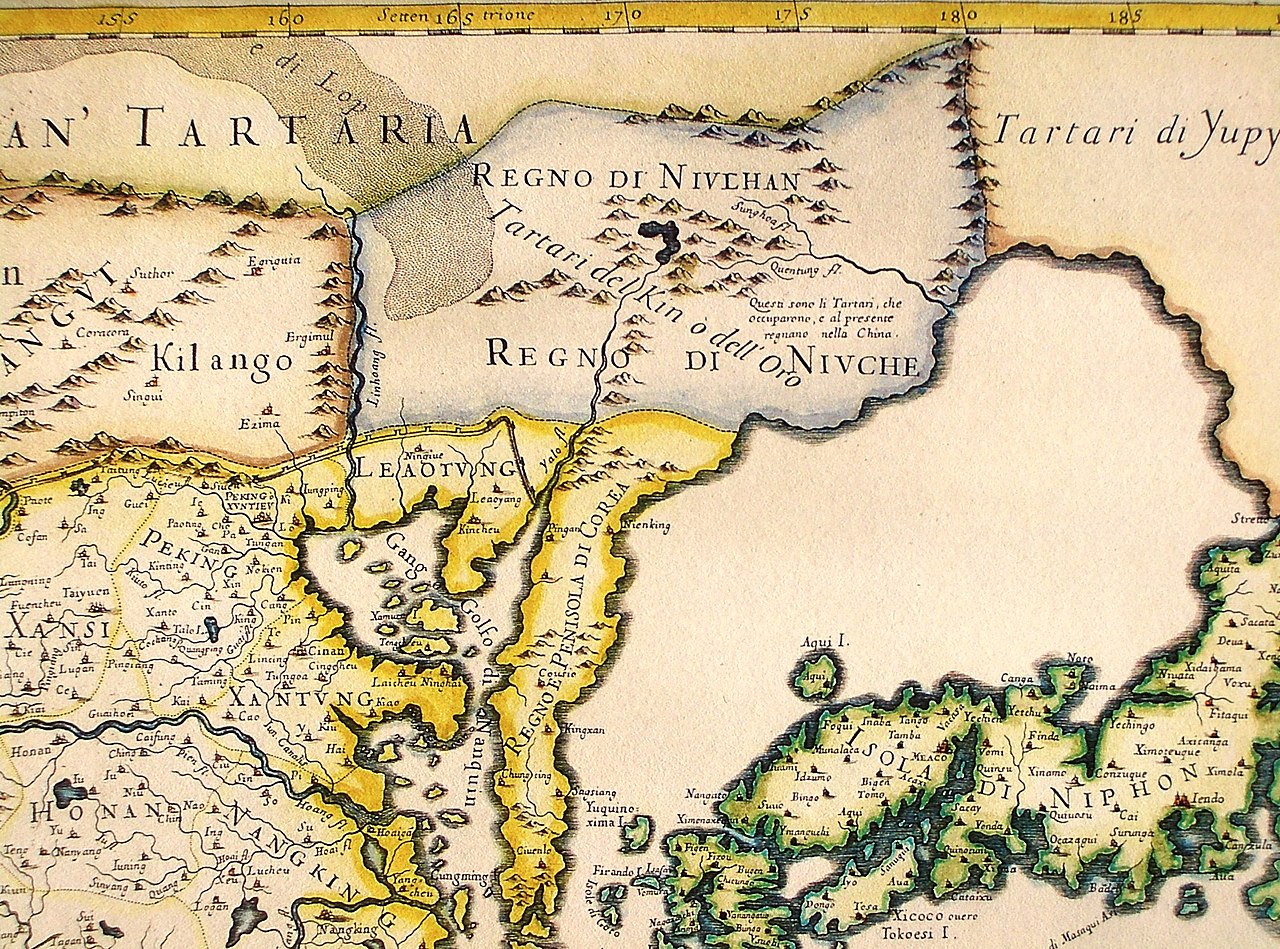

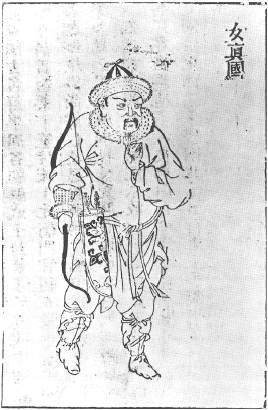

Origins and language
Linguistically the Jurchen belonged to the Tungusic family, related to other groups of northeastern Asia. Their traditional economy combined hunting, fishing, pastoralism and limited agriculture, adapted to the mixed forest-steppe environment. Social organization was often clan-based, and a number of prominent lineages, including the Wanyan, provided military and political leaders who could unite regional bands into larger confederations.
History and political development
In the medieval era Jurchen leaders consolidated power and at times projected authority over neighboring peoples and states. In the early 12th century they established a state that took control of large parts of northern China and ruled as the Jin dynasty. This period saw administrative and military institutions borrowed from and adapted to the sedentary societies they governed. Over the following centuries the Jurchen homeland continued to interact with steppe peoples, Koreans, and Chinese dynasties, and by the 17th century a renewed centralization and cultural change produced the Manchu identity that would dominate East Asia under the Qing.
Relations with Korea
The borderlands between the Korean peninsula and northeastern Asia were an important arena of contact and competition. Medieval Korean dynasties negotiated diplomacy, trade and occasional conflict with Jurchen groups. In Joseon Korea, officials developed a policy often described as gyorin (neighborly relations), which aimed to manage practical relations—diplomatic exchange, trade, and containment—rather than seek permanent conquest or assimilation. Periodic military confrontations occurred, but long-term interaction also included tribute missions, commerce, and cultural exchanges.
Culture, institutions and legacy
Jurchen material culture reflected their mixed subsistence base and the climatic conditions of their homeland. They used composite bows and mounted warfare effectively, and their ruling houses gradually adopted bureaucratic, legal, and cultural practices from northern Chinese models. The later transformation into the Manchu involved both deliberate institutional reforms and gradual shifts in language use, dress, and self-identification. The Manchu-led Qing dynasty left a large imprint on Chinese history; scholars today trace many of the dynasty's roots in earlier Jurchen organization and leadership.
Notable distinctions
- Ethnolinguistic family: part of the Tungusic languages.
- Political achievement: founders of the Jin dynasty in medieval north China.
- Evolution: over time the Jurchen identity transformed into the Manchu identity that shaped the Qing era.
- Cross-border relations: sustained diplomacy and intermittent conflict with Korean states, managed in part through Joseon policies such as gyorin.
Today the study of the Jurchen draws on archaeology, Chinese and Korean historical records, and linguistic research. Their history is important for understanding political change in northeast Asia, the formation of imperial polities, and the interactions between steppe, forest, and sedentary civilizations.
Related articles
Author
AlegsaOnline.com Jurchen people: origins, history, culture, and legacy Leandro Alegsa
URL: https://en.alegsaonline.com/art/51721
Sources
- books.google.com : The Cambridge History of China: Alien Regimes and Border States, p. 216
- books.google.com : A History of East Asia : from the Origins of Civilization to the Twenty-first Century, p. 129
- books.google.com : The History of Korea, pp. 76-77