
Jewish–Roman wars: revolts in Roman Judea and their aftermath
Series of major Jewish uprisings against Roman rule in and beyond the province of Judea (1st–2nd centuries CE), including the Great Revolt, the Kitos War and the Bar Kokhba revolt, and their legacy.
The term Jewish–Roman wars refers to several armed uprisings by Jewish communities in the eastern Roman Empire from the mid‑1st to the mid‑2nd centuries CE and to later revolts in the province. These conflicts were not a single continuous war but a series of separate insurrections with overlapping causes: resistance to Roman administration, religious and cultural friction, economic grievances and local political tensions. Their most consequential phases are commonly dated to the First Jewish–Roman War (66–73 CE), the Kitos War (115–117 CE) and the Bar Kokhba revolt (132–135 CE).
Image gallery
10 Images



Main uprisings
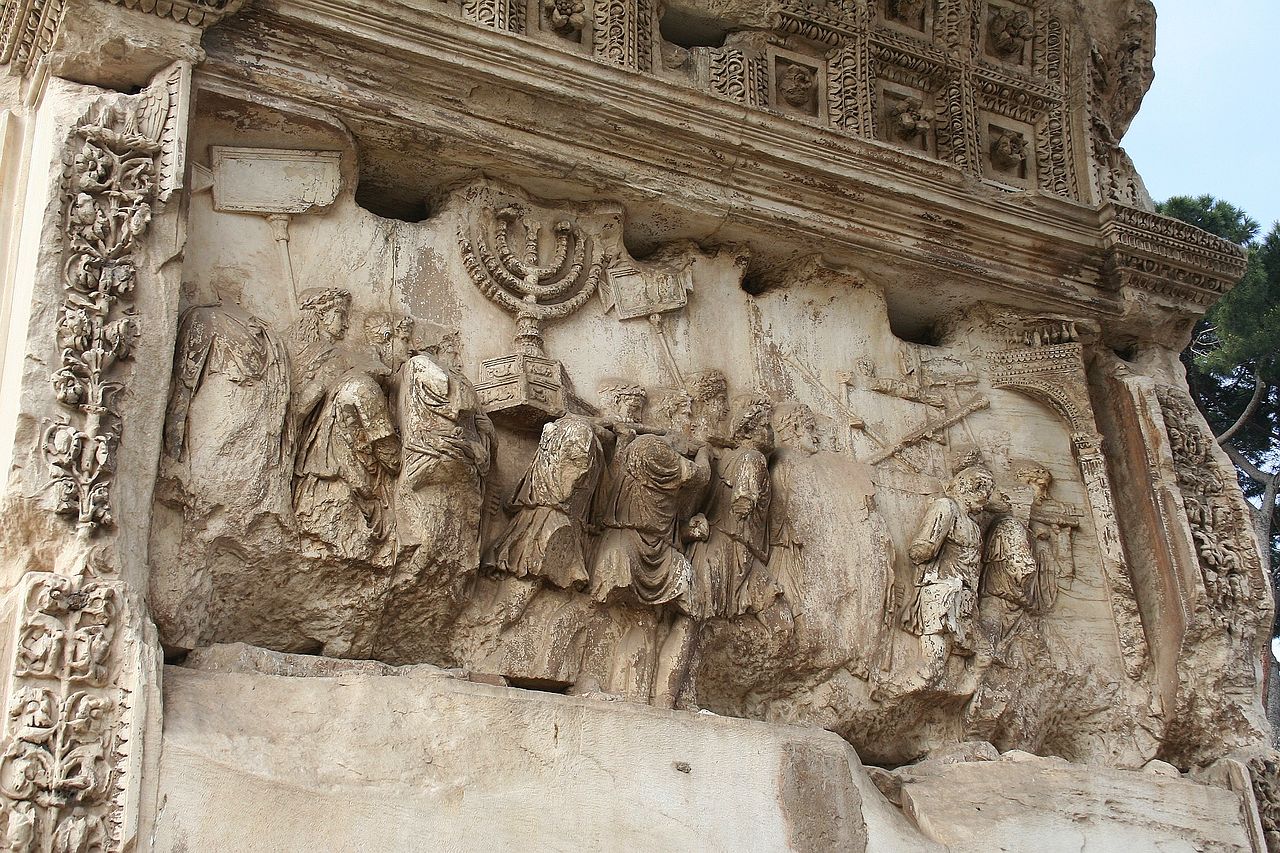
- First Jewish–Roman War (66–73 CE): also called the Great Revolt. It began as a reaction to religious and fiscal pressures and developed into an extended guerrilla and siege campaign. Roman commanders Vespasian and his son Titus reconquered the region; the siege and destruction of Jerusalem and the Second Temple in 70 CE marked a turning point.
- Kitos War (115–117 CE): sometimes treated as a second major confrontation. This series of Jewish revolts in the diaspora—notably in Cyrenaica, Egypt and Mesopotamia—erupted during the reign of Emperor Trajan and involved violent clashes far from the province of Judea.
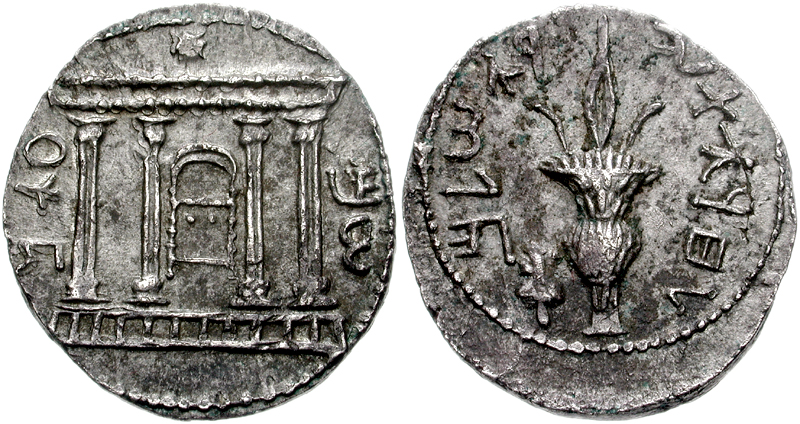
- Bar Kokhba revolt (132–135 CE): led by Simon bar Kokhba, this rebellion briefly established independent Jewish control over parts of the countryside before Roman counter‑measures under Emperor Hadrian restored imperial rule. Some sources describe it as the second or third Jewish–Roman war depending on whether the Kitos War is counted.
Causes and course
The rebellions had multiple, intertwined causes. Longstanding resentment over heavy taxation and Roman provincial governance combined with religious issues—such as tensions over imperial cults, restrictions on practices, and incidents regarded as desecrations—created a volatile environment in the province of Judea and adjacent areas. Radical groups and local leadership disputes intensified confrontations. Contemporary accounts, especially the works of the Jewish historian Flavius Josephus, provide detailed narratives of the First Revolt, while epigraphic, archaeological and later literary sources supplement the record for subsequent uprisings.
Consequences and legacy
The wars had profound short‑ and long‑term effects. The destruction of the Jerusalem Temple in 70 CE transformed Jewish religious life, accelerating the development of rabbinic Judaism and the shift of major Jewish communal centers to Galilee and the diaspora. Roman reprisals and deportations reduced local urban populations and altered demographic patterns. After the Bar Kokhba revolt, Roman policy toward the province grew more punitive; historical sources indicate administrative reforms and name changes intended to diminish Jewish territorial identity.
Later and regional revolts
Jewish resistance did not end in the 2nd century. Smaller or more localized uprisings recurred in the later Roman and Byzantine periods, including revolts associated with the mid‑4th century disturbances under Roman general Gallus and disturbances during the Byzantine–Sassanian and early Islamic era. One recorded episode took place in the 7th century in Tiberias during the chaotic years surrounding imperial transitions. Scholars study these later rebellions to trace continuity in communal memory and changing strategies of accommodation and resistance.
Historical significance and study
Scholars examine the Jewish–Roman wars for what they reveal about imperial governance, ethnic and religious identity in antiquity, and the transformation of Judaism after the loss of the Temple. Archaeology—fortifications, coinages, burned layers and mass graves—alongside literary sources forms the evidentiary basis for reconstructing events. For introductions and reference overviews see general surveys and specialist studies accessible through academic and public resources such as reference collections, institutional libraries and archaeological reports. Additional material on the individual campaigns and sites is available via dedicated works on the First Revolt and the Bar Kokhba revolt.
Notable facts: the label "Jewish–Roman wars" groups distinct episodes separated by decades and geography; casualty estimates and exact motives remain subjects of scholarly debate; primary narratives reflect the perspectives of contemporary writers and imperial records.
Related articles
Author
AlegsaOnline.com Jewish–Roman wars: revolts in Roman Judea and their aftermath Leandro Alegsa
URL: https://en.alegsaonline.com/art/50131