
Jeremy Bentham: Philosopher, Reformer, and Founder of Utilitarianism
English philosopher and jurist Jeremy Bentham (1748–1832) developed utilitarianism, proposed legal and institutional reforms, influenced liberal thinkers, and left a lasting public legacy at UCL.
Overview
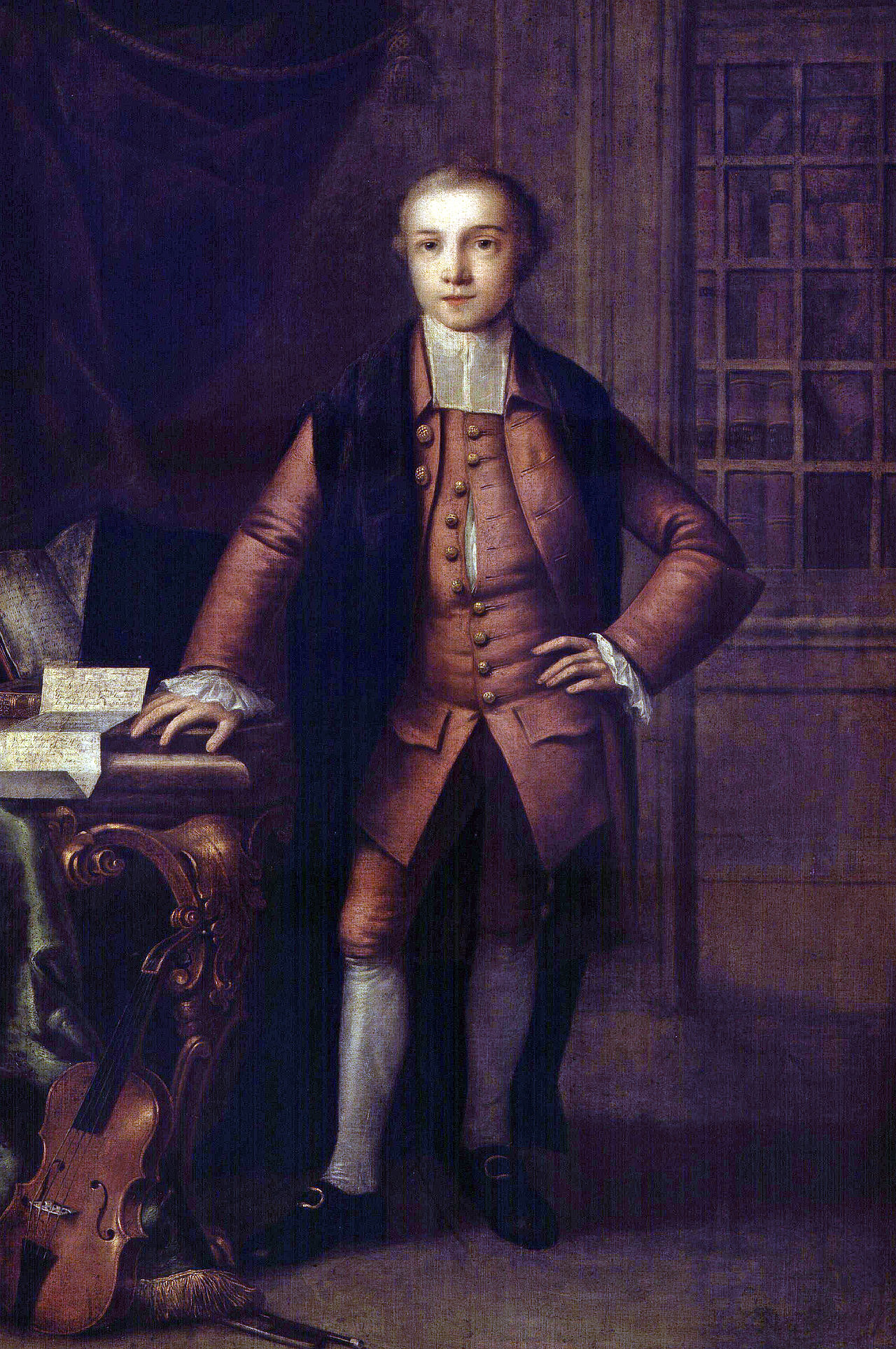
Jeremy Bentham (15 February 1748 – 6 June 1832) was an English social reformer and jurist whose writings helped shape modern legal and moral philosophy. He advanced the doctrine that public policy should be guided by the greatest happiness for the greatest number, a principle that became the cornerstone of modern utilitarianism. Bentham also argued for extended moral consideration to non‑human animals and for social changes now associated with early movements for animal rights and gay rights.
Image gallery
10 Images




Philosophy and core ideas
Bentham proposed that the value of actions and institutions should be assessed by their consequences in producing pleasure and preventing pain. He suggested a systematic method for making these assessments — often called the felicific or hedonic calculus — that listed factors such as intensity, duration and likelihood of pleasurable or painful outcomes. He rejected the idea of innate or natural rights as metaphysical and argued that legal rights should derive from positive law and the principle of utility. This pragmatic, consequentialist stance influenced debates about morality, law and public policy.
Major proposals and practical reforms
Bentham was not merely a theorist; he proposed concrete institutional changes. He recommended codifying common law into clearer statutes, simplifying legal procedures, and reforming prisons to reduce cruelty and increase moral improvement. His design for the Panopticon — an institutional building that allowed a central observer to monitor inmates — became a symbol in discussions about surveillance, discipline and the architecture of power. Bentham also advocated for transparent government, economic liberalization, and humane treatment of animals, anticipating later reform movements.
Influence, followers and intellectual legacy
Through his writings and especially his students and disciples, Bentham exerted broad influence. Figures such as John Stuart Mill adapted and critiqued Bentham’s utilitarianism, and social reformers including Robert Owen and others drew on Benthamite ideas in developing cooperative and industrial reforms. His utilitarian outlook contributed to strands of classical liberalism, promoting individual liberty framed by social welfare and legal clarity rather than by appeals to abstract natural rights.
Works, controversies and notable facts
- Key works: Bentham wrote extensively in essays, pamphlets and drafts on law, morality and political economy.
- Controversy: Critics questioned whether a quantitative calculus can capture moral worth and raised concerns about potential tyranny of the majority under strict utility calculations.
- Notable legacy: Bentham’s body was preserved after his death and his so‑called "auto‑icon" is on display at University College London; this curious preservation has become part of his public image.
Why Bentham matters
Bentham provided a systematic framework that tied moral reasoning to consequences and public policy. His insistence on measurable welfare, legal reform and the minimization of suffering continues to influence ethics, law, public administration and debates about rights. Whether embraced or revised, his work remains a foundational reference for anyone interested in how societies might balance individual freedoms, institutional design and collective well‑being.
For further exploration, consult introductory treatments of Bentham’s utilitarianism, histories of legal reform, and studies of nineteenth‑century political thought that trace how his ideas spread through students and reform movements.
Related articles
Author
AlegsaOnline.com Jeremy Bentham: Philosopher, Reformer, and Founder of Utilitarianism Leandro Alegsa
URL: https://en.alegsaonline.com/art/49956