
University College London — history, structure, and campus overview
A comprehensive overview of University College London (UCL): its origins, organisation, research role, campus in Bloomsbury and notable distinctions as a major London research university.
University College London (UCL) is a major multidisciplinary university located in London. Established in 1826, it grew into one of the leading research-intensive institutions in the United Kingdom and a prominent constituent of the federal University of London. UCL combines broad undergraduate teaching with extensive postgraduate and professional training, and operates numerous research institutes that span the sciences, humanities and professional fields.
Image gallery
10 Images


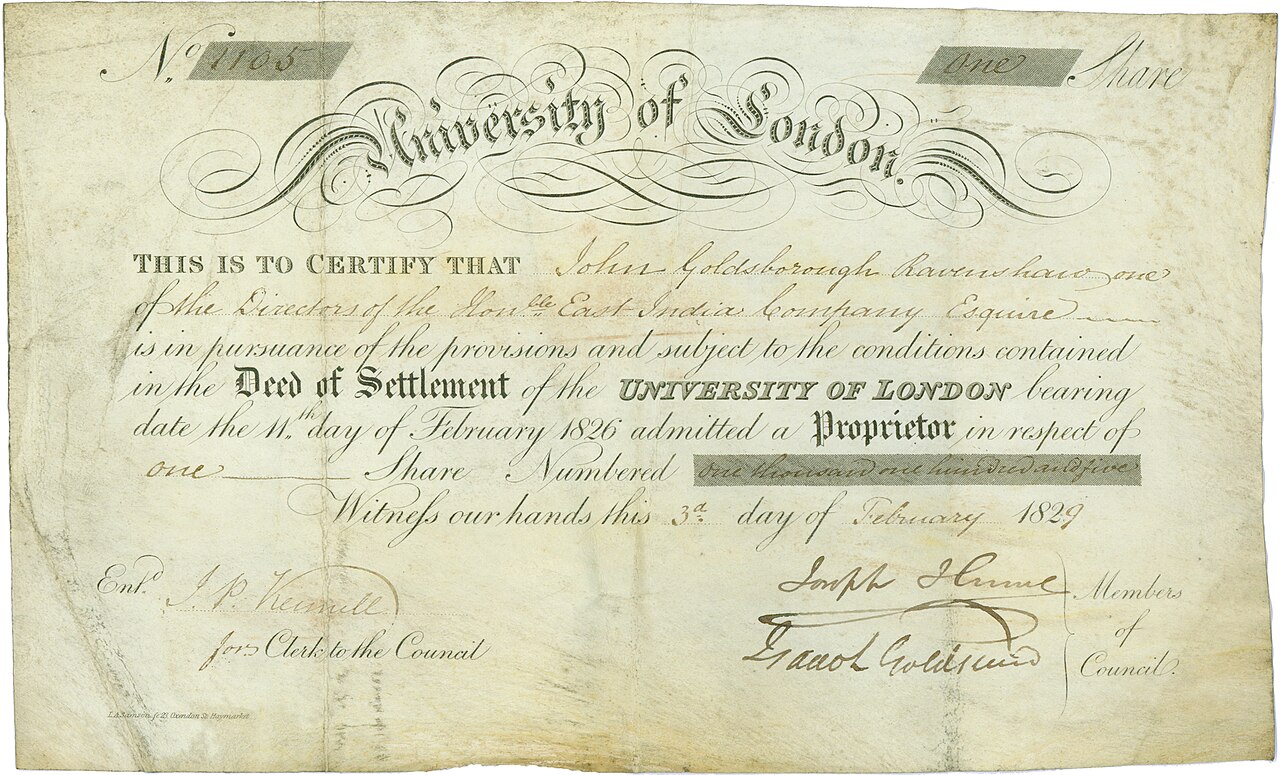
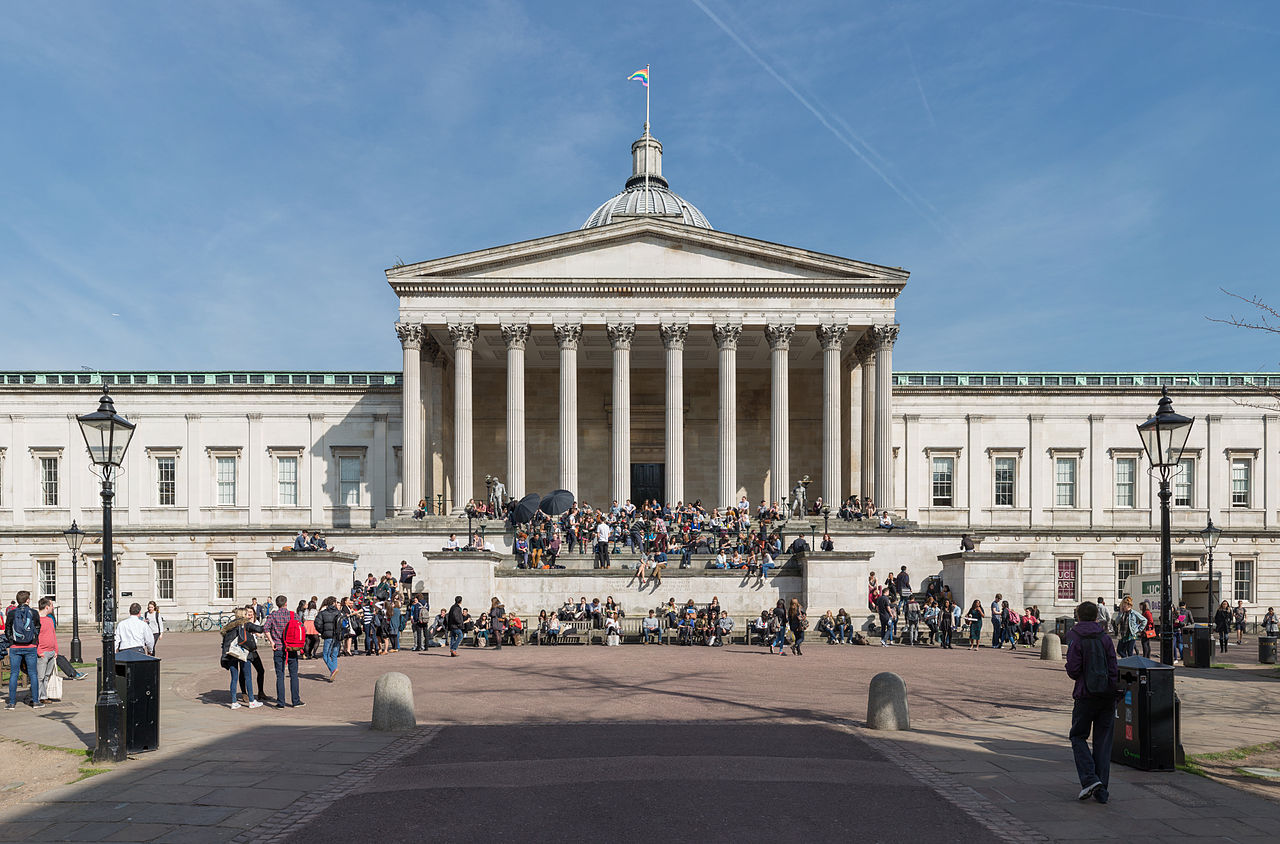


Organisation and academic profile
The university comprises more than a hundred departments, institutes and research centres, organised into faculties and schools that cover subjects from the arts and social sciences to engineering, life sciences and medicine. Its academic portfolio includes both campus-based programmes and collaborations with hospitals, partner institutions and international centres. UCL emphasises interdisciplinary work and translational research aimed at addressing social, technological and health challenges.
History and development
UCL was founded in 1826 as "University College" and was notable for being established on a secular basis, admitting students regardless of religious background. It was also one of the first institutions in England to admit women on the same terms as men, and in 1836 it became one of the founding colleges of the University of London. Over the 19th and 20th centuries UCL expanded its teaching and research remit, adding specialist schools and research units.
- Key mergers and incorporations in recent decades include the Institute of Neurology (1997), the Royal Free Hospital Medical School (1998) and the Eastman Dental Institute (1999).
- Further integration occurred with the School of Slavonic and East European Studies (1999), the School of Pharmacy (2012) and the Institute of Education (2014), broadening UCL's reach in education, health and area studies.
Campus and locations
UCL's principal buildings and administrative core are concentrated around the Bloomsbury area of central London; many descriptions refer to its main Bloomsbury campus as the heart of the institution. Bloomsbury itself, a district with cultural and academic links, provides proximity to libraries, museums and other colleges. In addition to the central campus, UCL operates specialist institutes and teaching hospitals distributed across Bloomsbury and wider central London, supporting clinical training and research partnerships with the National Health Service and other providers.
Research, teaching and public engagement
Research is a central component of UCL's mission: the university participates in cross-disciplinary initiatives, large-scale grants and industry collaborations. Academic staff and students contribute to high-impact publications, public policy work and innovation activities. Teaching draws on this research strength, with programme structures that often integrate laboratory work, clinical placements and community-facing projects. UCL also hosts public lectures, exhibitions and outreach programmes to share research more broadly.
Notable distinctions and role
UCL's founding principles — secular governance and open admission — marked an important shift in 19th-century higher education in England. Today the university is recognized for its wide-ranging faculties, global collaborations and an extensive alumni and staff community active across science, law, arts, education and public service. As a large, urban research university, UCL continues to balance teaching, discovery and engagement with city and international partners.
For official information about programmes, admissions and research centres, consult the university's published resources and the institutional pages linked above.
Questions and answers
Q: What is University College London?
A: University College London is a large university located in London. It is the largest college of the federal University of London and one of the largest research universities in the country.
Q: When was UCL founded and what was it called at the time?
A: UCL was founded in 1826 and was called "University College" at the time.
Q: What is significant about UCL's establishment?
A: UCL was the first university institution to be founded in London, and the first in England to be established on an entirely secular (non-religious) basis.
Q: Does UCL admit all students regardless of their religious beliefs?
A: Yes, UCL admits students regardless of their religious beliefs.
Q: Was UCL the first university to admit women on equal terms with men?
A: Yes, UCL was the first university to admit women on equal terms with men.
Q: How many departments, institutes, and research centres does UCL have?
A: UCL has over 100 departments, institutes and research centres in eight faculties.
Q: Has UCL grown through mergers?
A: Yes, UCL has grown through mergers with institutes and teaching hospitals such as the Institute of Neurology, the Royal Free Hospital Medical School, the Eastman Dental Institute, the School of Slavonic and East European Studies, the School of Pharmacy and the Institute of Education.
Related articles
Author
AlegsaOnline.com University College London — history, structure, and campus overview Leandro Alegsa
URL: https://en.alegsaonline.com/art/103196
Sources
- hesa.ac.uk : "2014/15 Staff by HE provider"
- timesonline.co.uk : "Profile: University College London"
- fulbright.co.uk : "UCL | Fulbright University Partners | US-UK Fulbright Commission"
- books.google.com : Arthur Cayley: mathematician laureate of the Victorian Age
- books.google.com : books.google.com/books?id=RD4hAQAAIAAJ&pg=PA6100&dq=university+college+london+february+11…
- ucl.ac.uk : "Key Facts and Figures"
- ucl.ac.uk : UCL
- guardian.co.uk : "NHS hospitals to forge £2bn research link-up with university"
- sciencewatch.com : "The Most-Cited Institutions Overall, 1999-2009"
- scimagoir.com : "SIR World Report 2010 :: Global Ranking"
- ucl.ac.uk : "Research powerhouse: UCL top-cited in UK"
- ucl.ac.uk : ucl.ac.uk/images/Uni-Lon.pdf
- nature.com : "Golden opportunities"
- timeshighereducation.co.uk : "Wealth and Health: Financial data for UK higher education institutions, 2009-10"