
Classical liberalism: principles, history, and influence
Classical liberalism is a political and economic outlook that emphasizes individual liberty, limited government, rule of law, private property and free markets, rooted in Enlightenment thought.
Overview
Classical liberalism is a branch of liberalism that arose from Enlightenment thought and focuses on protecting individual freedom against arbitrary power. It is both a political ideology and an economic perspective that stresses negative liberty — freedom from coercion — and the legal and institutional arrangements needed to secure it. Classical liberals seek a public order that limits the reach of government while ensuring that individuals can pursue their own aims within a framework of laws.
Image gallery
2 Images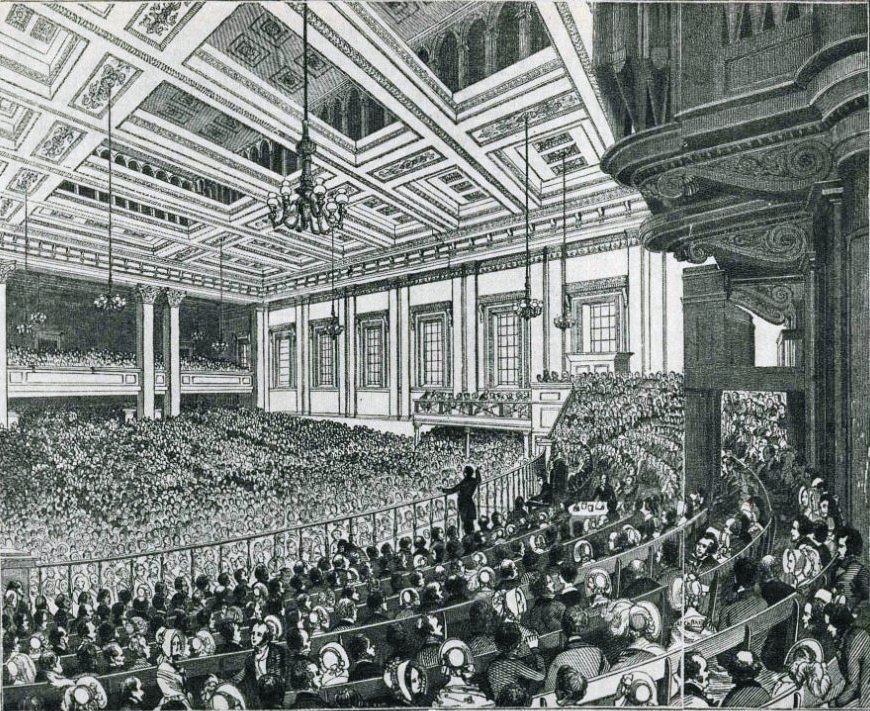
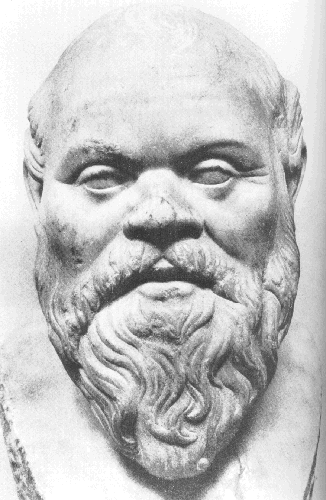
Core principles and institutions
At its center are a few recurring commitments. These are commonly presented as practical aims rather than abstract dogma, and different writers have emphasized different elements:
- Individual rights and the rule of law: People should be equal before the law and protected from arbitrary punishment; this often rests on ideas about natural law or similar moral claims.
- Limited government: A government’s powers are confined by written or unwritten constitutions, separation of powers, and checks to prevent concentration of authority.
- Property and market exchange: Secure private property and voluntary trade are seen as foundations for prosperity and personal autonomy; classical liberals typically support a free market with few restrictions on commerce.
- Individual responsibility and rule-based order: Laws and institutions should be predictable so people can plan their lives, businesses and investments.
Historical development
Classical liberalism developed during the 18th and 19th centuries in response to absolute monarchy, mercantilist economic policy, and inherited social hierarchies. Early texts and political movements argued for tolerance, religious freedom, and limits on state power. Economists and social critics promoted free trade and criticized state privilege; for example, Adam Smith analyzed markets and specialization. Figures such as Thomas Jefferson applied many classical liberal convictions to constitutional government and individual rights.
Notable thinkers and later revival
Later centuries saw revisions and debates. In the 19th century, thinkers balanced individualism with concerns about social justice and reform. In the 20th century a renewed emphasis on markets and limited intervention emerged: economists and philosophers like Ludwig von Mises, Friedrich Hayek, and Milton Friedman defended liberal market institutions against collectivist planning and argued for the informational benefits of prices.
Influence, applications, and examples
Classical liberal ideas have influenced constitutional design, commercial law, and public debates about taxation, trade, and regulation. Policies rooted in classical liberal thought include the reduction of trade barriers, protection of contract rights, and reforms that promote economic competition. Practically, advocates argue such arrangements generate innovation, higher living standards, and protection of civil liberties.
Distinctions and contemporary debates
Classical liberalism overlaps with but is distinct from modern or social liberalism, which supports a larger role for the state in securing welfare or equality. It also shares many positions with libertarianism, though libertarians typically press further on minimal government or market deregulation. Scholars and political actors continue to debate the proper balance between liberty and other public goods, how to address market failures, and which legal frameworks best preserve individual freedom and social order.
For further background and reading, consult introductory resources and historical surveys that trace how these principles were adapted in different countries and eras. Contemporary policy discussions still lean on the vocabulary and concepts that classical liberalism helped to popularize.
Related articles
Author
AlegsaOnline.com Classical liberalism: principles, history, and influence Leandro Alegsa
URL: https://en.alegsaonline.com/art/20778
Sources
- google.com : Modern political philosophy , pp. 37–38