
Echidna — the spiny anteater of Australia and New Guinea
Echidnas are egg-laying mammals (monotremes) covered in spines, native to Australia and New Guinea. They feed on ants and termites, have unique reproductive traits, and play roles in ecosystems and culture.
Overview
The echidna, often called the spiny anteater, is one of the few living monotremes — mammals that lay eggs — and is native to parts of Australia and New Guinea. Members of the family Tachyglossidae are notable for combining traits typical of mammals (fur and milk production) with reptile-like egg laying, making them a subject of interest in evolutionary biology. There are several living species spread across two genera, including the short-beaked and long-beaked forms.
Image gallery
10 Images



Physical characteristics
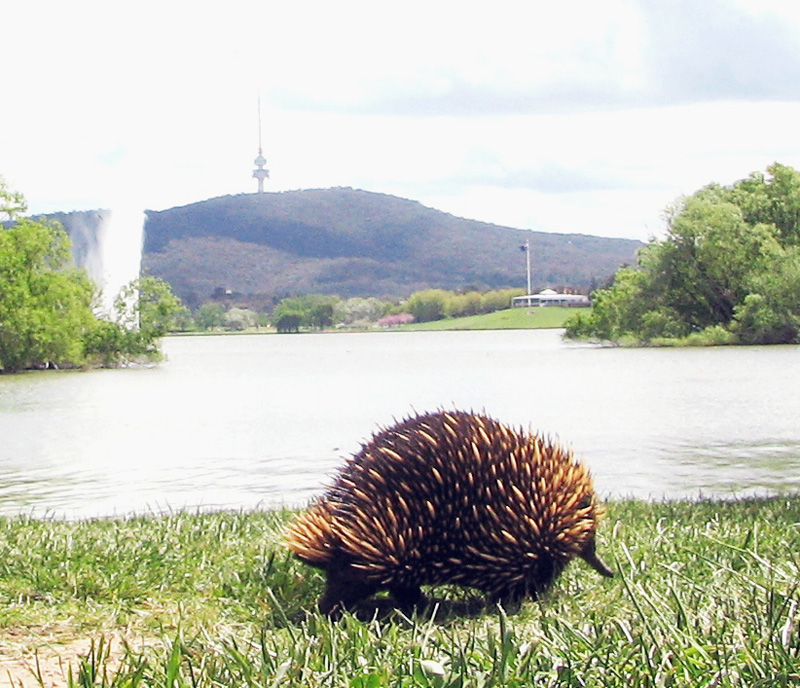
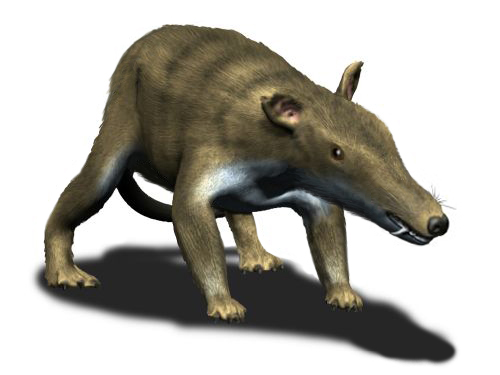
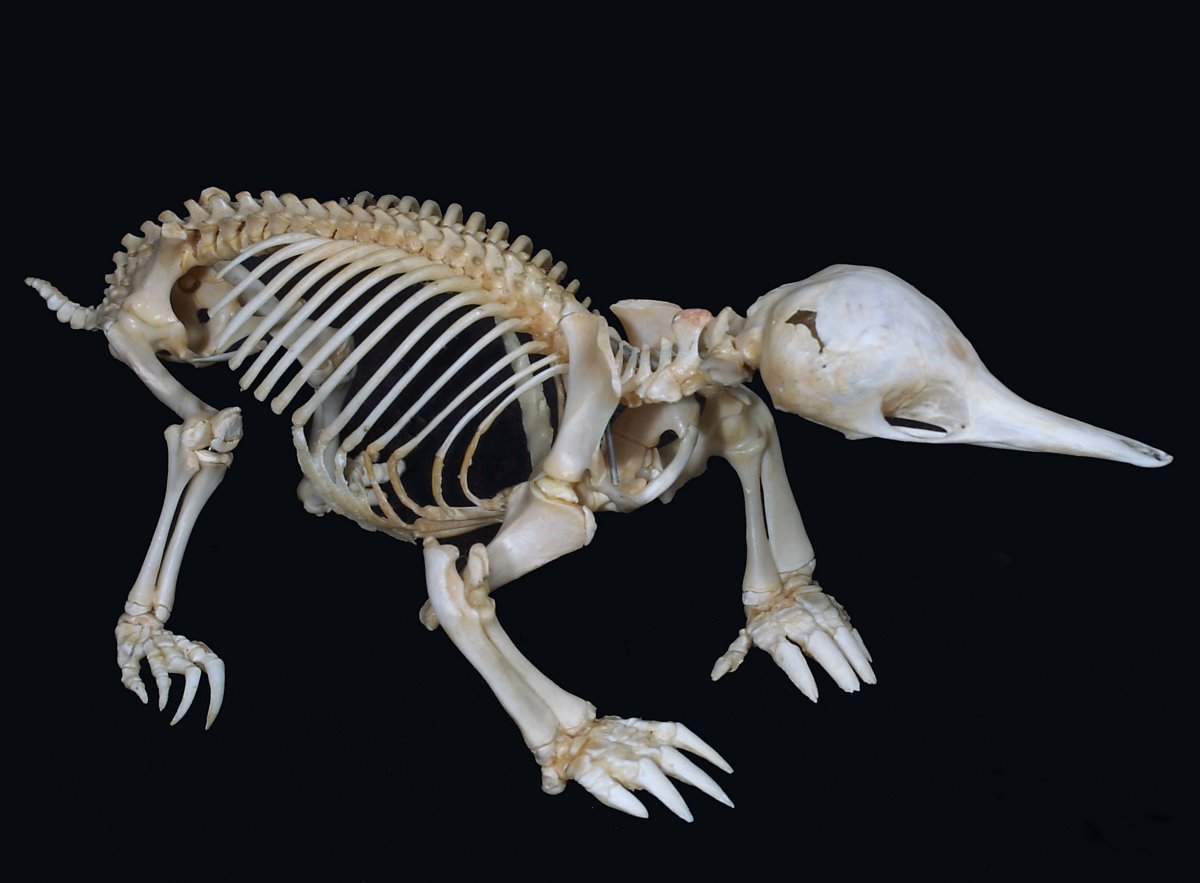
Echidnas have a compact, rounded body covered with coarse hair and many sharp spines that provide protection. Their snout is elongated and tube-like, functioning both as a mouth and a nose; this form is often described as a long, tubular mouth. They feed by flicking a sticky tongue to capture ants, termites and other invertebrates. Unlike most mammals, echidnas do not have teeth; food is ground between the tongue and a bony palate.
Behavior and diet
Echidnas are primarily solitary, terrestrial foragers that use powerful limbs and curved claws to dig for prey and create burrows. When threatened they may curl into a spiny ball or rapidly dig into soft ground so only the spines are exposed — a defense aided by their long, sharp claws. Echidnas also have electroreceptors in the snout that help detect prey buried in soil.
Reproduction and development
As monotremes, echidnas lay a small, leathery egg which is incubated in a temporary pouch on the female. The infant, called a puggle, hatches and nurses on milk from the mother’s mammary glands; monotreme milk is often expressed onto skin or into grooves rather than via nipples. Males possess a spur on the hind leg similar to the platypus, but in echidnas this spur is not known to deliver venom.
Distribution, roles and conservation
The short-beaked echidna occupies a wide range of habitats across Australia, while the long-beaked species in the genus Zaglossus are found in parts of New Guinea. Echidnas contribute to ecosystem health by controlling insect populations and aerating soil through digging. Some species face threats from habitat loss and predation, and conservation status varies among populations.
Notable facts and distinctions
Echidnas share the monotreme group with the platypus and illustrate an early branch of mammalian evolution. They combine unique features — egg laying, lactation without nipples, sensory electroreception, and a spiny coat — that set them apart from placental and marsupial mammals. For cultural and scientific information, see general references on monotremes and regional natural histories (monotreme overview, reproductive notes). For more natural history and field resources consult region-specific guides and databases (anatomy, feeding, family Tachyglossidae).
Questions and answers
Q: What is an Echidna?
A: Echidna is a spiny anteater that lives in Australia and New Guinea.
Q: What family does the Echidna belong to?
A: Echidna belongs to the Tachyglossidae family.
Q: What kind of mouth does an Echidna have?
A: An Echidna has a long, tube-like mouth with a sticky tongue.
Q: How is an Echidna protected from predators?
A: An Echidna can quickly dig a hole until only its spines are showing, making it difficult for predators to get to it without injuring themselves.
Q: How does an Echidna protect itself during a fire?
A: During a fire, an Echidna digs down to a safe location out of reach of the flames.
Q: Does an Echidna lay eggs or give birth to live young?
A: Echidnas lay eggs despite having mammary glands.
Q: Where can Echidna be found?
A: Echidnas can be found in Australia and New Guinea.
Related articles
Author
AlegsaOnline.com Echidna — the spiny anteater of Australia and New Guinea Leandro Alegsa
URL: https://en.alegsaonline.com/art/29878
Sources
- enchantedlearning.com : Retrieved on 21 October 2007